

At the UCLA PEER Lab, we study the creative processes involved in everyday, traditional, and emerging practices. We pay attention to how oppressed groups and individuals survive, pursue knowledge, and express joy through music and sound. And, acknowledging storytelling as the root of cultural appropriation, we take an active part in which stories are told, and who gets to tell them.
An experimental research Lab dedicated to decolonizing data, methodology, and analysis through creative practice.
Our Story
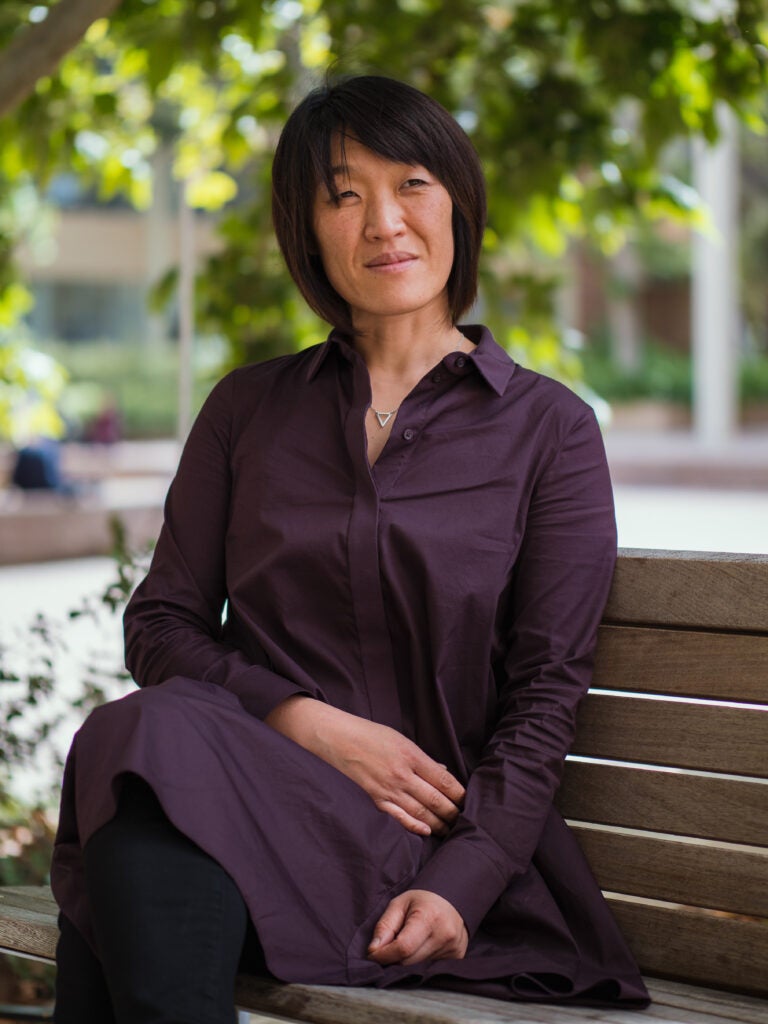
Since the age of 12—when I began working with sound, image, form, and space in an apprenticeship with artists Anne Krag and Atle Færøy—I’ve dreamt of continuing that kind of experimentation. After much effort, and with the help and support of many, I’ve now been able to create a space and a community for radical practice-based inquiry. I’m exhilarated to announce that the UCLA Practice-based Experimental Epistemology Research (PEER) Lab is now a reality. While, even as a child, the importance of this tactile form of research felt obvious and momentous, it never occurred to me that it would one day play a legitimate role in my work.
In 2001 when I found myself in the scholarly setting of musicology, I felt unable to articulate my ideas. I had no liberal arts training nor did I know English very well. Working so hard to become fluent in this new language, even my mother tongue became unreliable. And because words could not articulate what I sought to express, I spent time on other things. Drawing. Playing with sound and movement. Devising performances. What I thought were diversions were in fact the solution. I didn’t know I was thinking through practice.
Later, while writing my book, I sought to explain the conundrum that a single sound can be both restorative and destructive depending on the listener. There was no musicological lexicon that could contain and explain that contradiction. I came to another breaking point after having tossed out two complete drafts of what became Sensing Sound. Rather than language, it was the daily practice of scrambling an egg that allowed me to finish my book. How can the content of a bounded object—an egg— take such radically different forms in an encounter with oil, air, and heat? From chalky to silky, from viscous to crisp. How can the same substance make the tongue sing in one instance or cause a gag reflex in another? Again, engaging the senses and the body led to otherwise inarticulable knowledge.
Through the PEER Lab, I’m finally able to share this approach. In this research community, we encourage cross-sensory investigation. We regard knowledge not yet recognized by the powerbrokers of academia with the highest respect and curiosity. We invite inquiry through everyday, traditional, and emerging practices.
—Nina Sun Eidsheim, Founder & Director
Los Angeles, 8 October 2020
PEER Lab Staff
Nina Eidsheim, Founder & Director  Learn More
Nina Eidsheim has written books about voice, race, and materiality and is a singer and Professor of Musicology at the University of California, Los Angeles. She is also the founder and director of the UCLA Practice-based Experimental Epistemology (PEER) Lab, …
Learn More
James Ace, Associate Director Learn More
James Ace teaches courses including "Music and Gender" and "Music and Politics" in the Department of Musicology. His scholarship explores representations of race, gender, and sexuality in nineteenth-century American music and mass entertainment, focusing on histories of sexual minorities. As …
Learn More
Graduate Student Researchers
Andrew Edwards Learn More
Andrew Edwards is a PhD student in the Department of Spanish and Portuguese at UCLA, holding MAs in Portuguese, Latin American Studies, and Gender Studies. His comparative and multilingual dissertation examines improvised oral poetry in Cuba and Brazil, asking what …
Learn More
Jordan Hugh Sam Learn More
Jordan Hugh Sam is a Ph.D. student in Musicology at UCLA, having previously earned a M.M. degree in Choral Conducting (CU Boulder), and a BA degree in Music (Amherst College). His primary research focuses on choral singing at Historically Black …
Learn More
Kate Hamori Learn More
Kate Hamori is a PhD candidate in musicology at the University of California, Los Angeles. She holds master’s degrees in musicology and library science from Indiana University Bloomington. Her recent musicological work has centered around conceptions of voice online, especially …
Learn More
Affiliates
Daniel Walden Learn More
Daniel Walden is a pianist, harpsichordist, music theorist, and musicologist. He is currently Assistant Professor in the Department of Music at Yale University. As a researcher and academic, Walden focuses on the global history of music theory, particularly in the …
Learn More
Our Mission
Push against the colonization of the senses
We are made to believe that the ear is for music, the eye is for art, the mouth is for taste. Through multisensory practice, the Lab pushes against academia’s categorization of the senses.
Provide resources to marginalized thinkers
We provide time, dedicated physical space, campus partners, and research support to artists and thinkers who have been subject to structural inequalities.
Engage with excluded practices
We address past and present-day injustices by focusing on experiential practices which have been historically excluded from western epistemology.
Legitimize transdisciplinary experimentation
We bring artists and thinkers into unexpected connections. We protect intimate, non-goal oriented dialogue that may lead to the incubation of new thoughts, ideas, and concepts.

Music Beyond Metaphor
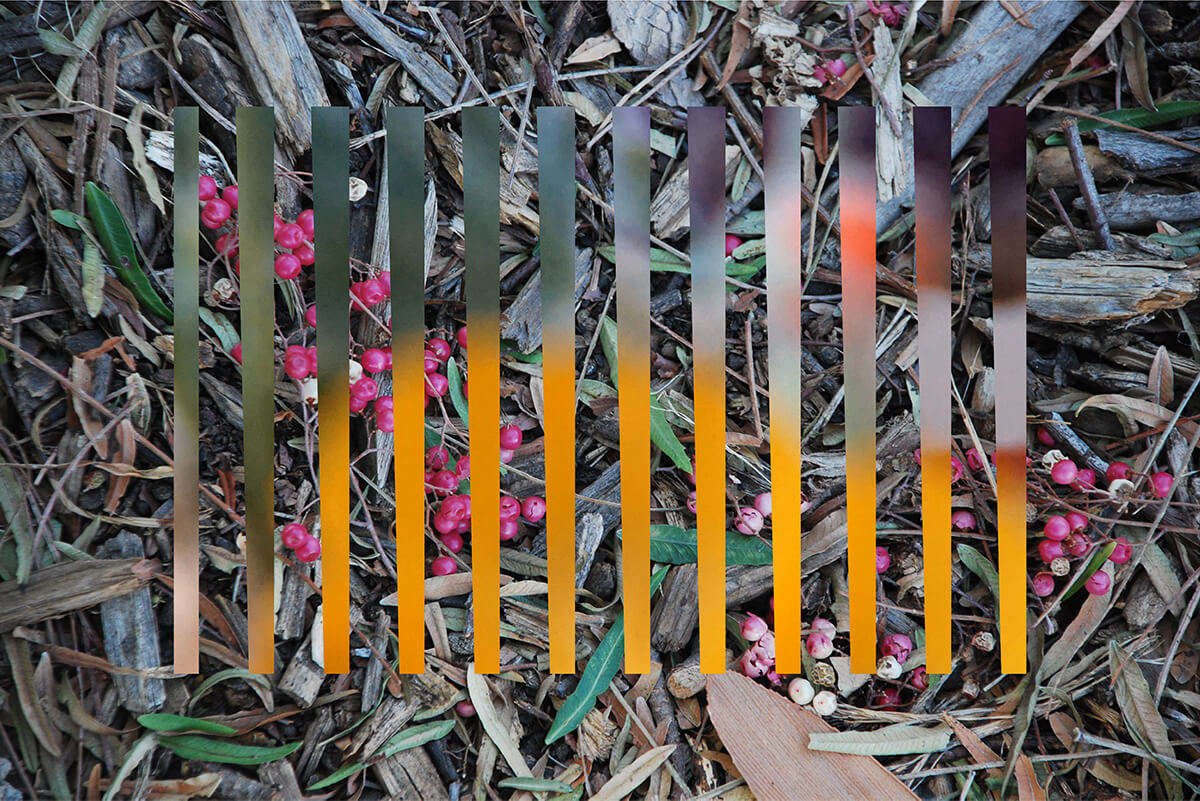
This research group maps the way music has been shaped by dominant metaphors, such as linear time, text, and proscenium space. These metaphors impact not only the vocabulary we use to describe and analyze music, but also determine musical imaginary, performance practice, and sensory access to music.
Mapping Practice-Based Research
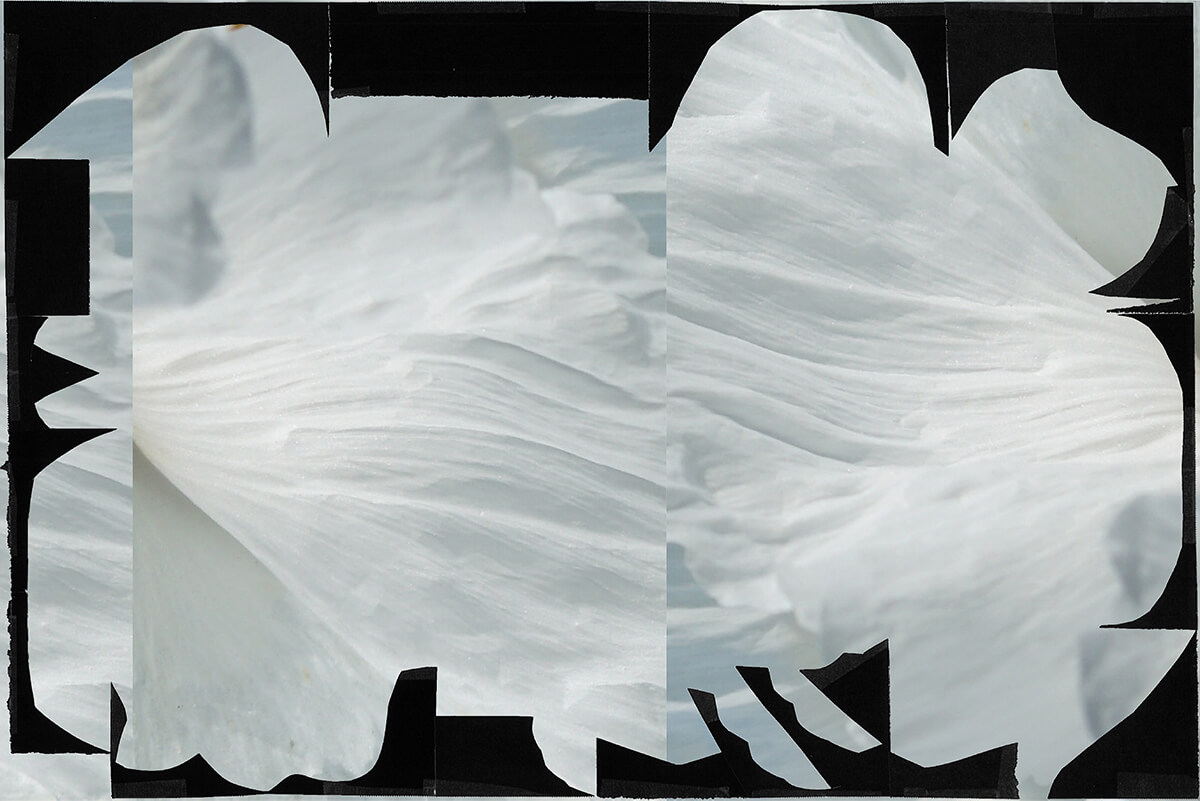
Practice-based-research as a methodology is a relatively new endeavor. This research group traces the convergent developments across fields and continents and builds a public database of practice-based-research and its origins.
Metaphor as Material Practice
This research group investigates musical metaphors as they are brought to life through spoken word, gesture, and musical expression. We analyze music lessons, masterclasses, and lectures in order to study the multisensory and multimodal ways in which metaphor is communicated, shaped, and reinforced in everyday life.
Connect with the PEER Lab
The PEER Lab is shaped by its community. Please email us with inquiries about the Lab, research, projects, and publications!

Beyond Sound
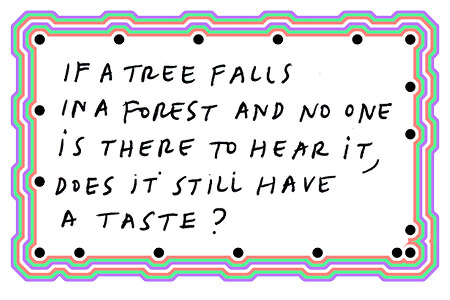
“If a tree falls in the forest and no one is there to hear it, does it make a sound?” is a classic example of how we reduce a rich and multifaceted event to one medium and one sensorium: sound and ear. What if we liberate both the mind and the sensorium? How does the weight of “Purple Rain” feel in your hands? Where in the universe are you transported with the morning’s first sip of coffee? What temperature is the sun on your skin when you recall the most important voice from your childhood?
Sound’s Material Transmission
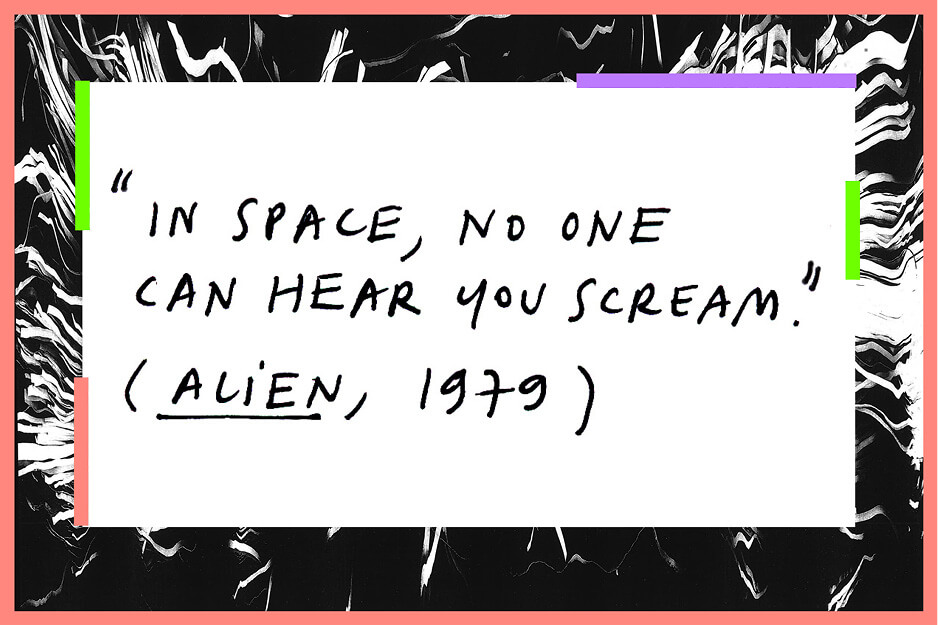
What is sound? Sound is energy transduced through a material entity. In a vacuum, sound cannot exist. Each sound takes its character through a unique instance of material transduction. Energy + material = singular sound. The note A# by itself is only half of the equation. You can only know A# through its material transduction. Imagine a beloved song. Imagine a friend singing it as you rest your head on their chest. Imagine listening to the same song as it echoes through a valley. In the shower. Inside a crowded closet. Inside a cathedral or the womb.
Naming What We Know
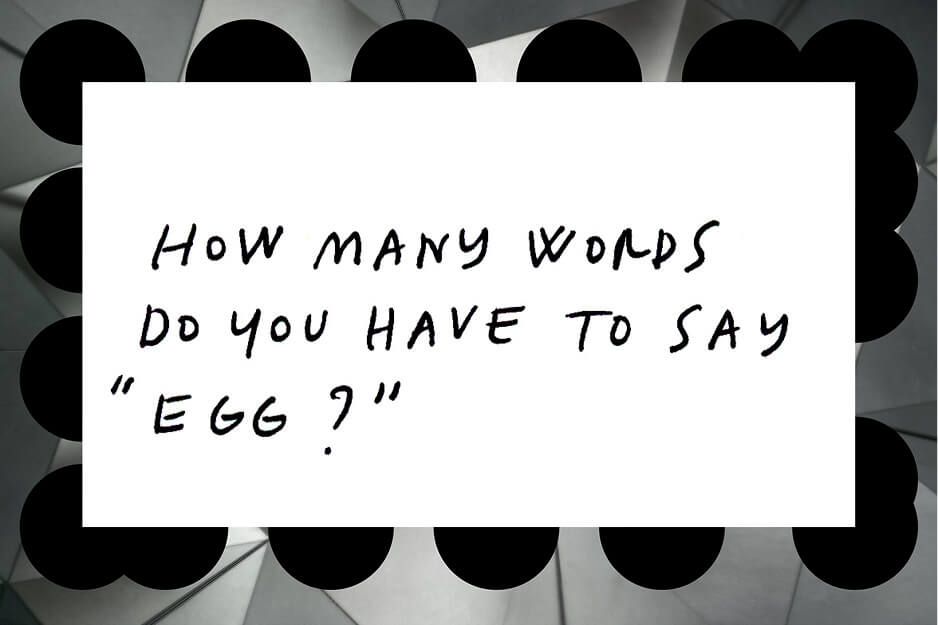
In the daily practice of cooking an egg, an object is transformed through the material entities of air, oil, and heat. Omelet. Souffle. Huevos rotos. Tamagoyaki. We have distinct names for these transformations, but what if we only had one? Would eggs benedict be as gooey if hardboiled was our only descriptor? Would hardboiled constrain the imagination so that lacey tendrils would never float to the surface of egg drop soup? How can the expansive lightness of souffle be contained by a hardboiled egg’s density? Much like an egg, sound takes on many forms and flavors. Yet how many words do you have to describe the note A#?
Heirlooms
A woman always cut the corner off the beef before she fried it. She had never given it a second thought, until one evening a dinner guest was puzzled. “My mom always did it this way, let me call her and ask why.” The mom didn’t have an answer. The question travelled up the family tree to the woman’s grandmother: it turned out the old family skillet had been so small that a piece always had to be cut off the meat and fried separately. Without even knowing it, the woman’s hands held the wisdom of the family’s first skillet. Where did your hands learn their first lessons? Your gut? Your eyes? Your feet?