By Birka Chen
Thursday evening at Schoenberg Hall was no ordinary night. UCLA Philharmonia took the audience by hand and flung them into the world of Don Quixote—a world of whimsical gardens, windmills that might be giants, deluded lovers and, yes, armies of sheep.
The night’s program contained just a single work: Richard Strauss’s “Don Quixote,” an epic tone poem based on Miguel de Cervantes’ famous novel of the same name. A packed house waited in anticipation as conductor Neal Stulberg gave his opening remarks, followed by an educational delve into history and storytelling by distinguished professor of Spanish and English, Barbara Fuchs.
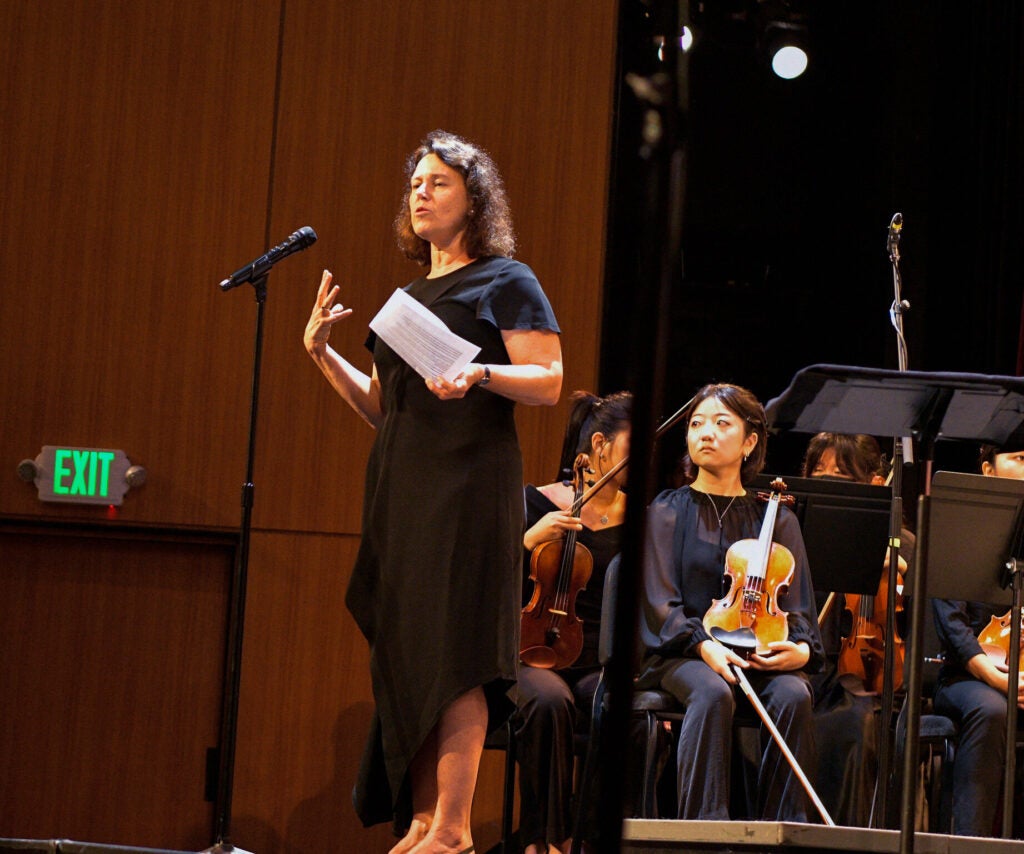
Fuchs is deeply at home in the world of Cervantes and early modern literature and a keen admirer of what Cervantes achieved. While Don Quixote (the character) walks the line between reality and fantasy, Don Quixote (the novel) blurs the difference between storytelling and history.
“Why do we believe one, but not the other?” Fuchs asks. “Is history just the official story?”
Fuchs emphasized that Strauss’s voices in the orchestra reflected Cervantes’s insistence on dialogue, giving his programmatic piece a powerful language all its own. To demonstrate, Stulberg walked the audience through several excerpts from the orchestral work.
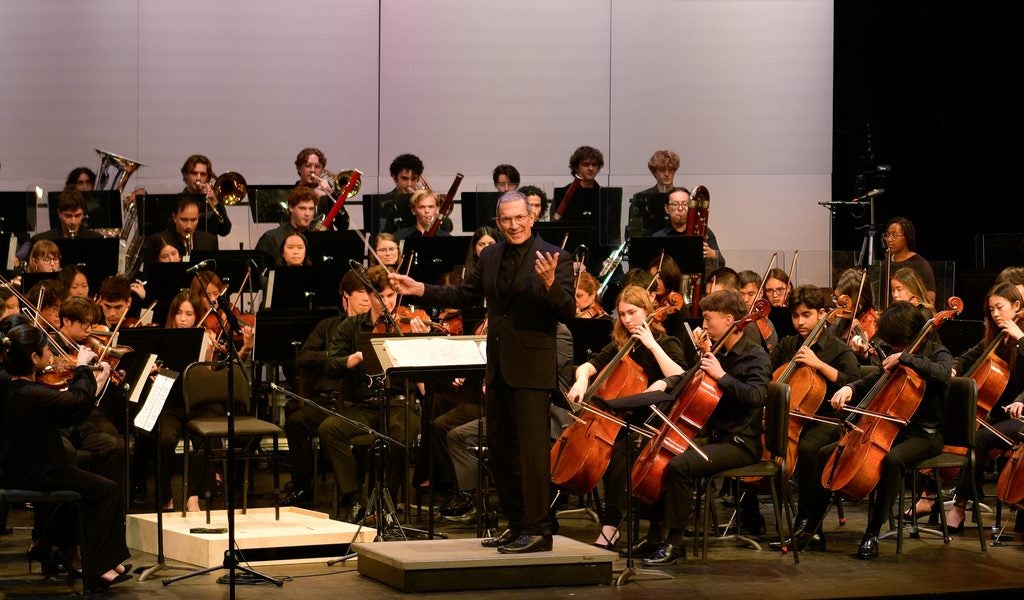
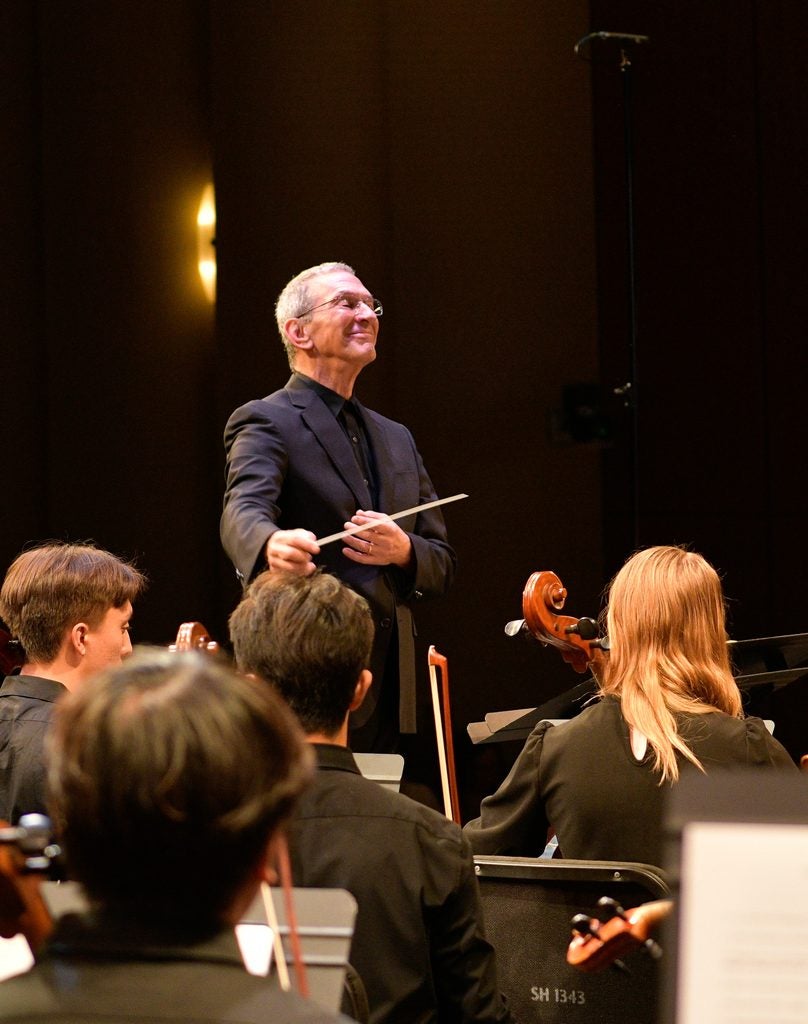
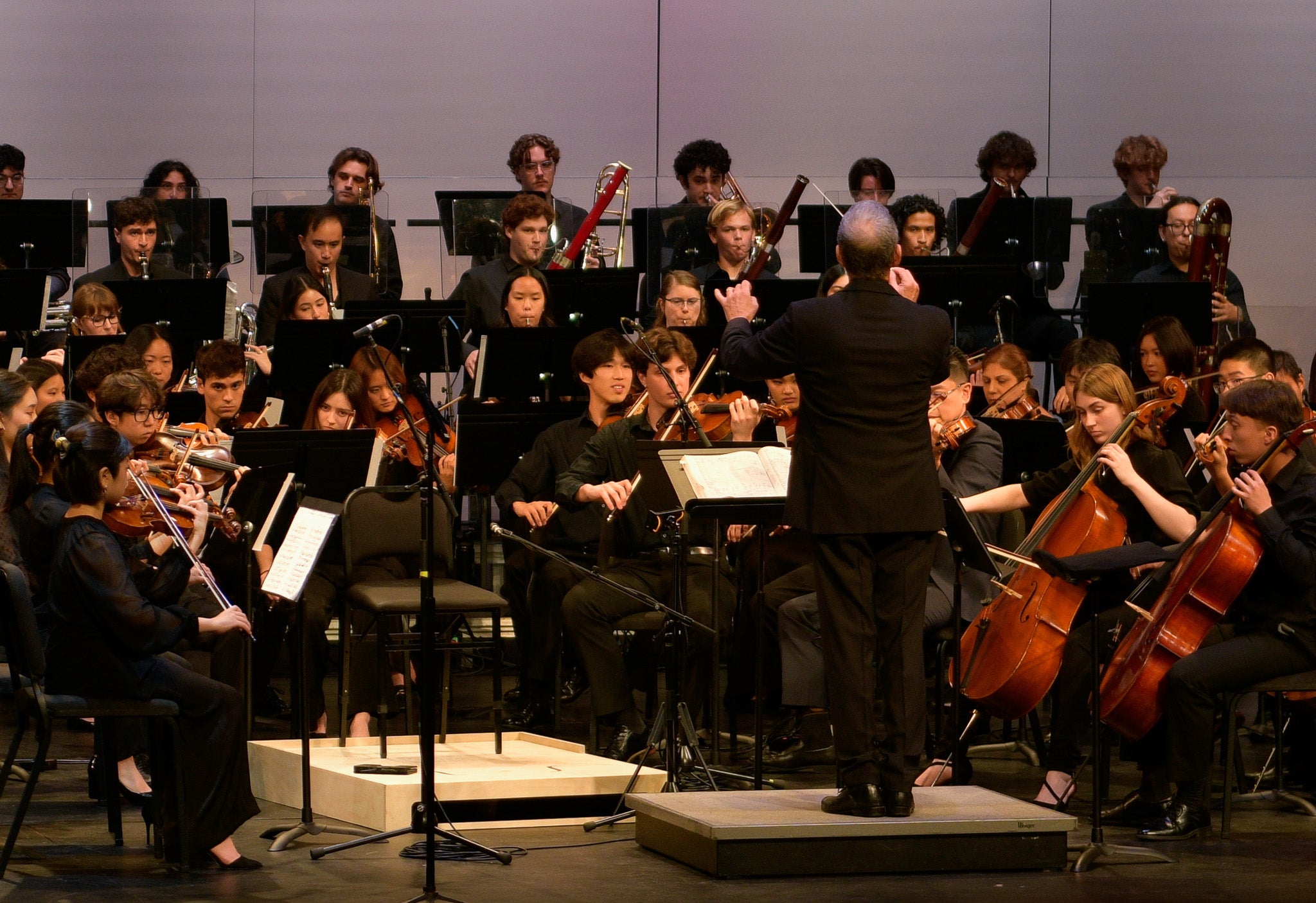
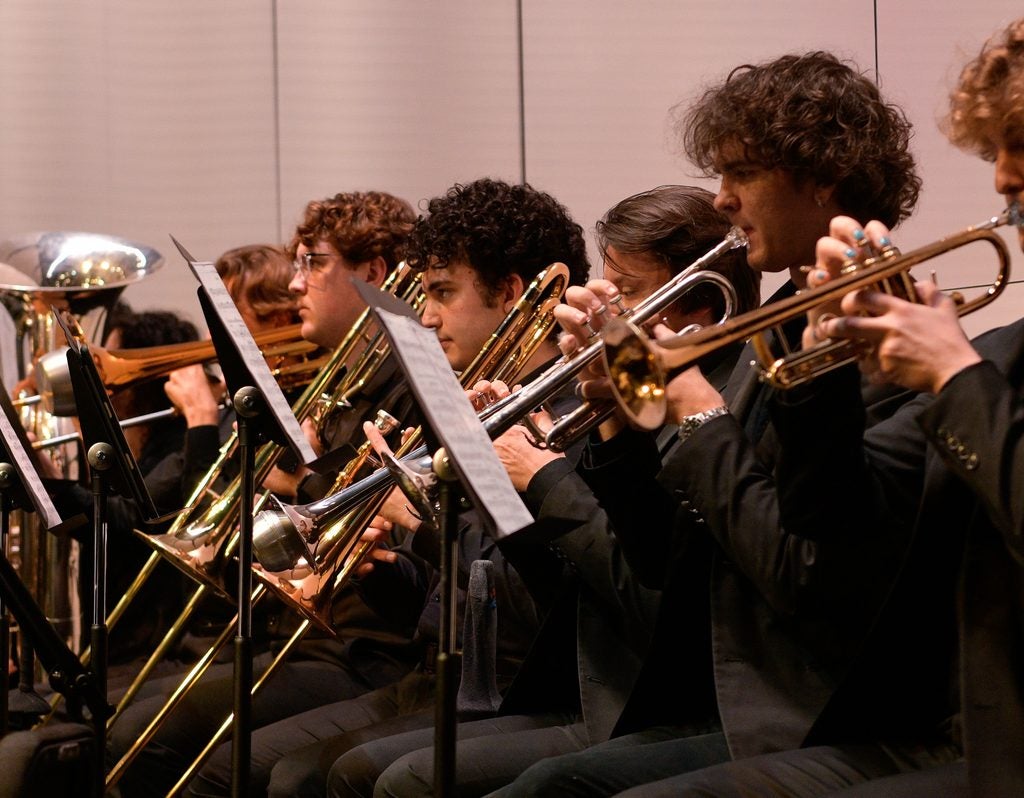
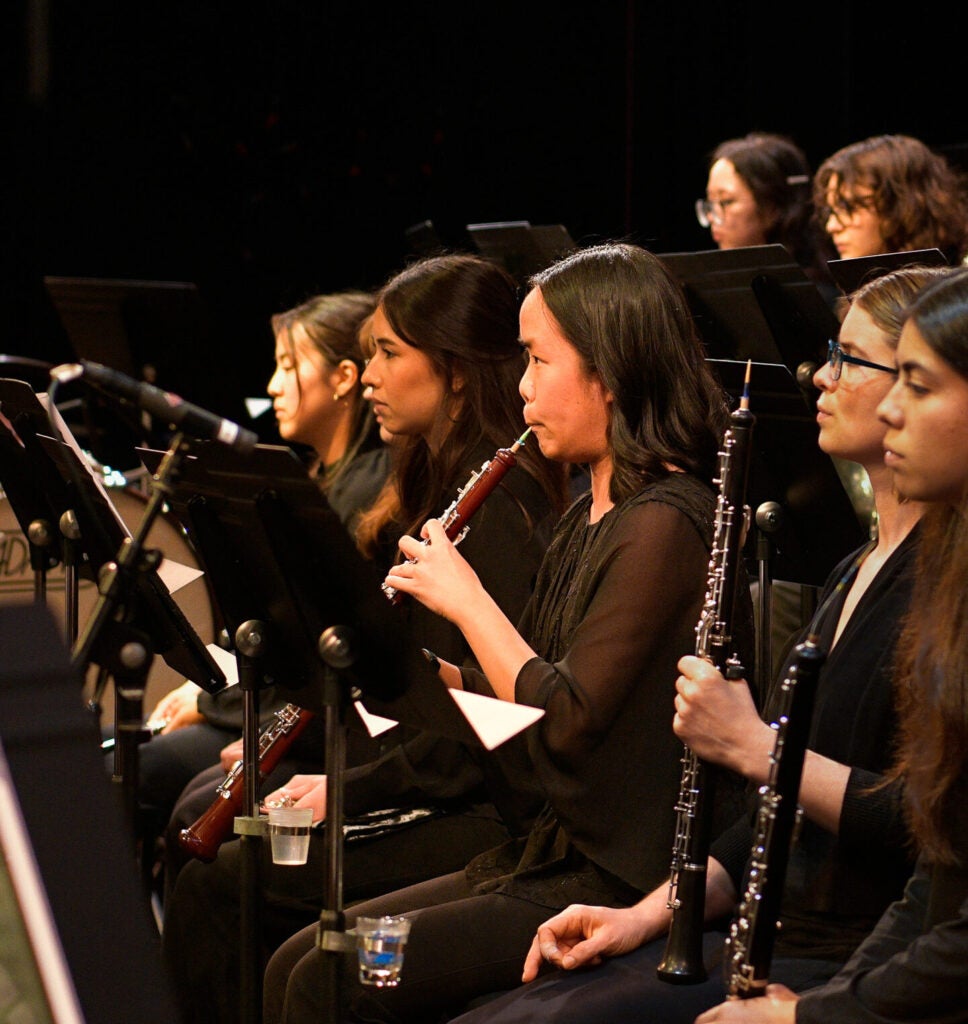
First was the oboe solo, followed by a viola soli, then the theme of Don Quixote and variations in various degrees of disorder. At one point, Stulberg wondered aloud what an army of sheep might sound like. To the audience’s delight, a muddle of “baaaas” arose from the brass section after a joyful shepherd’s procession from the strings.
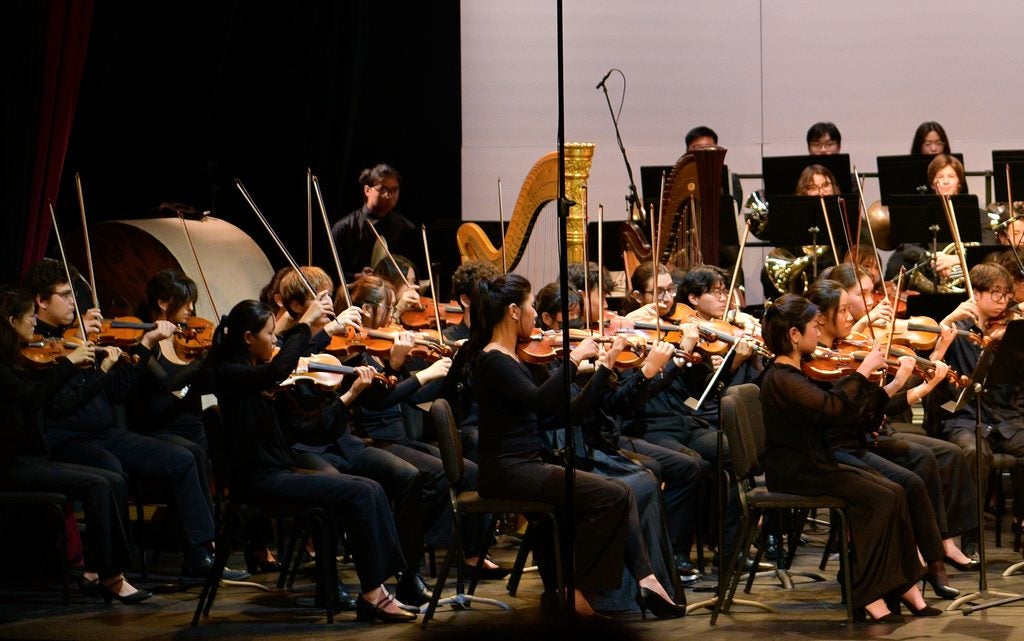
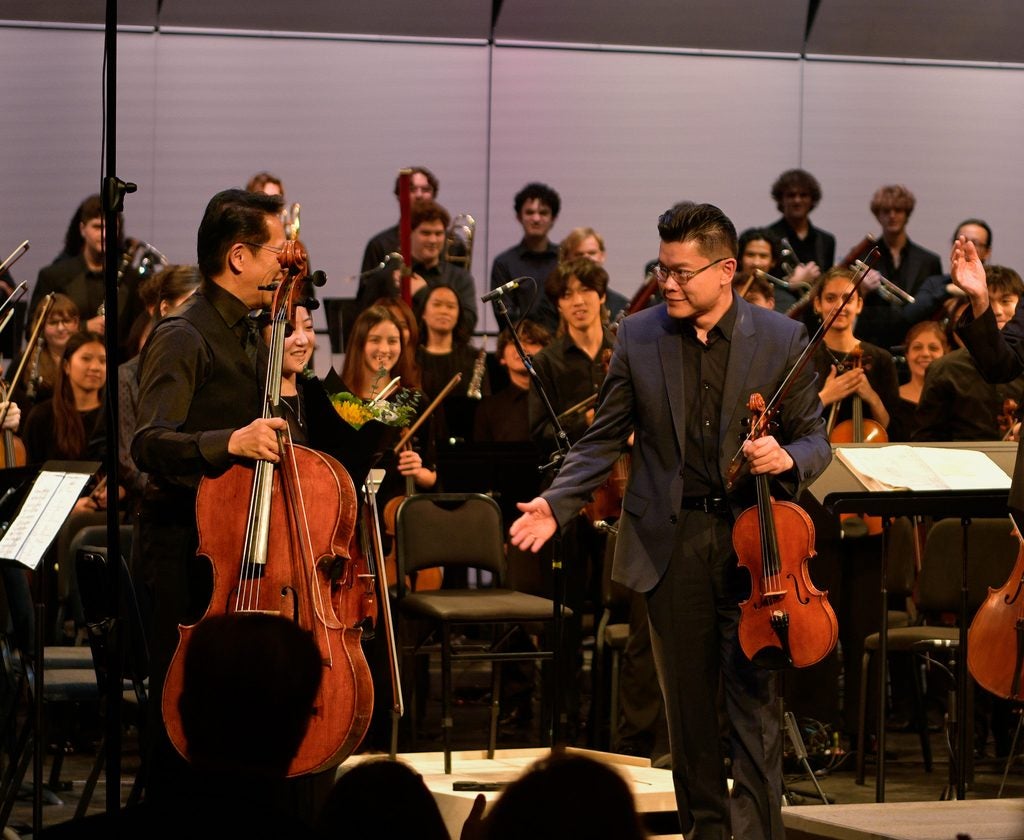
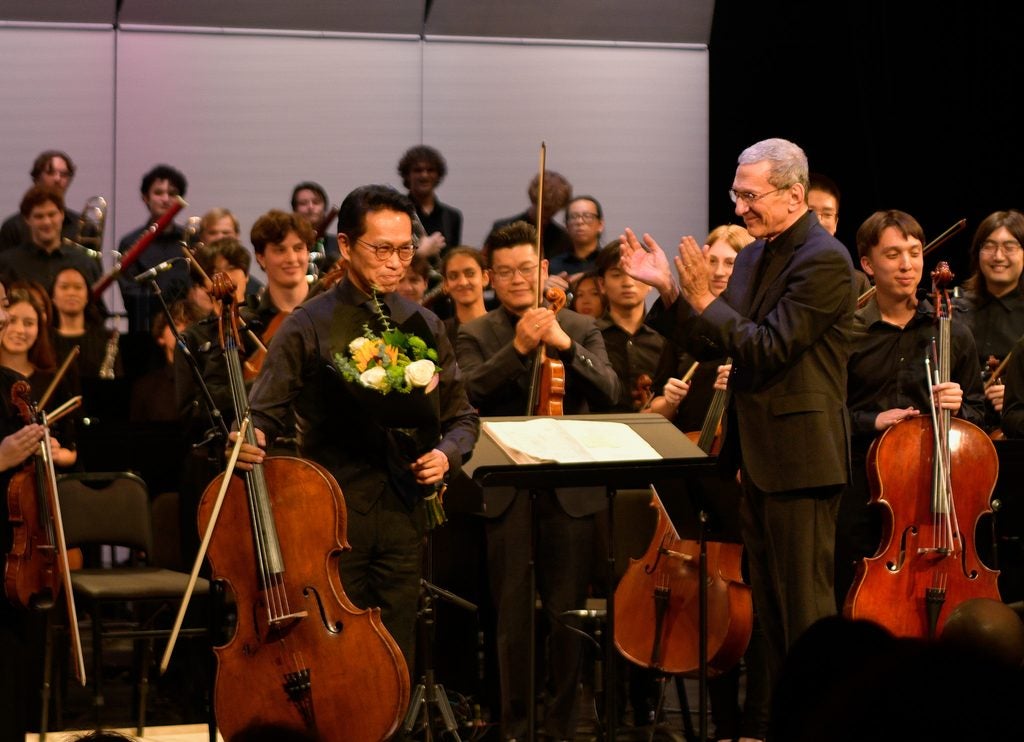
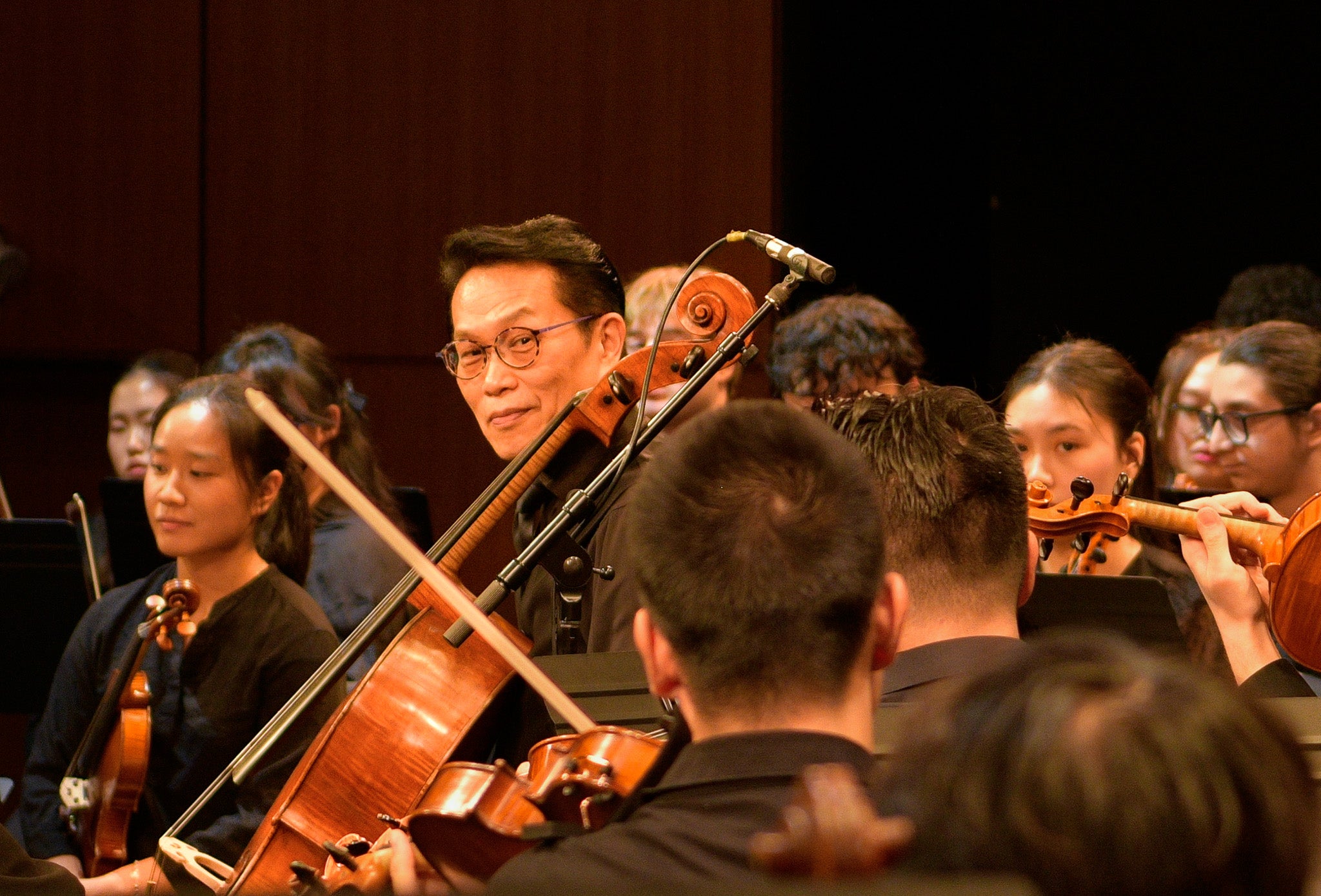
After a brief intermission, the orchestra took the stage to perform Strauss’ full work. Soloists Ben Hong, professor of cello performance, and Che-Yen Chen, professor of viola performance, shone as characters Don Quixote and Sancho Panza.
While portraying Sancho Ponza, a sly, talkative peasant, Chen said that balancing the roughness of the character with the beauty of the instrument was a unique consideration. Strauss also incorporated the character’s rugged quality into the music itself, where Chen said in one unusual instance, the C string on the viola is tuned down to a B.
“Music is not just notes on the page,” Chen said. “It’s the embodiment of a feeling, an idea, a character.”
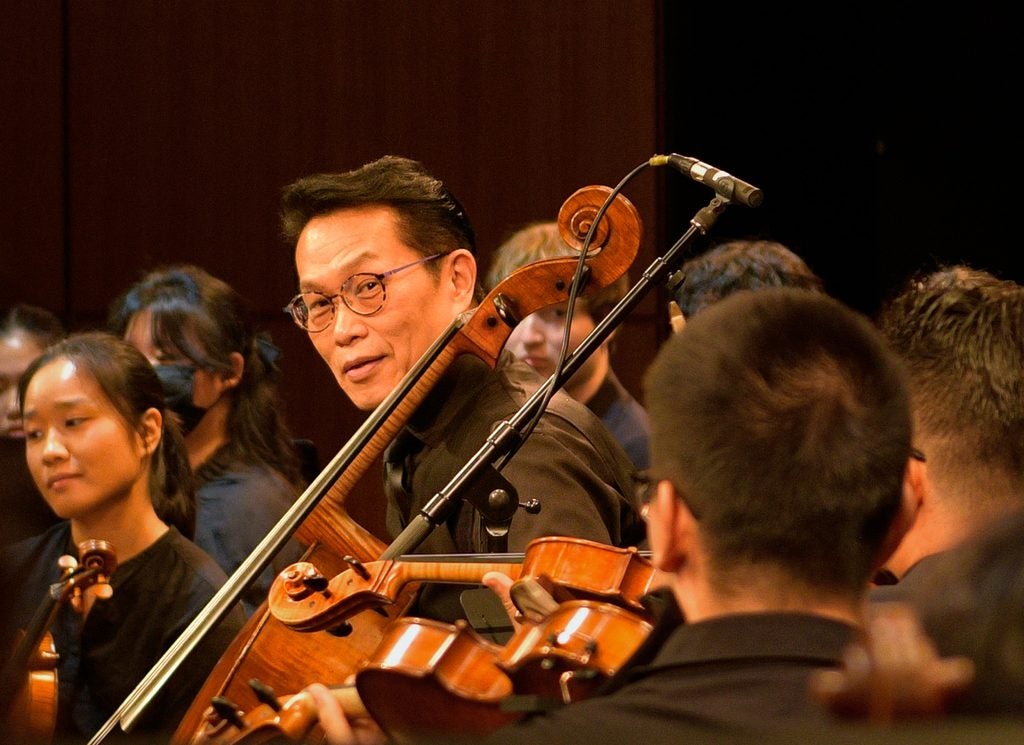
Ben Hong’s performance as Don Quixote was soulful and sensitive, bringing a level of tragic yearning to the Don. “Everybody has a different image of the landscape and of the character,” Hong said. “Being noble and chivalric may mean different things for different people. I first have to formulate that narrative in my own mind: what this person may look like, feel like, and what they may think in this particular episode.”
A musician goes through extraordinary lengths to capture a feeling. First, one needs to connect with the music and identify what this sensation is, Hong said—whether that be in the language of moments, characters or concepts. Then, the musician crafts this abstraction into a musical or emotional narrative. They must work to capture it in their instrument’s technique, and finally, translate it to an audience in a digestible performance.
“In some ways, this is the interpretation of an interpretation,” Hong said. “It is a sonic representation of Strauss’ impression of the novel. As a cellist, I have to try to interpret what Strauss thinks of Don Quixote. On top of that, I have to inject my own emotion into it, and imagine why Strauss would write something in a certain way. It’s a very complex process.”
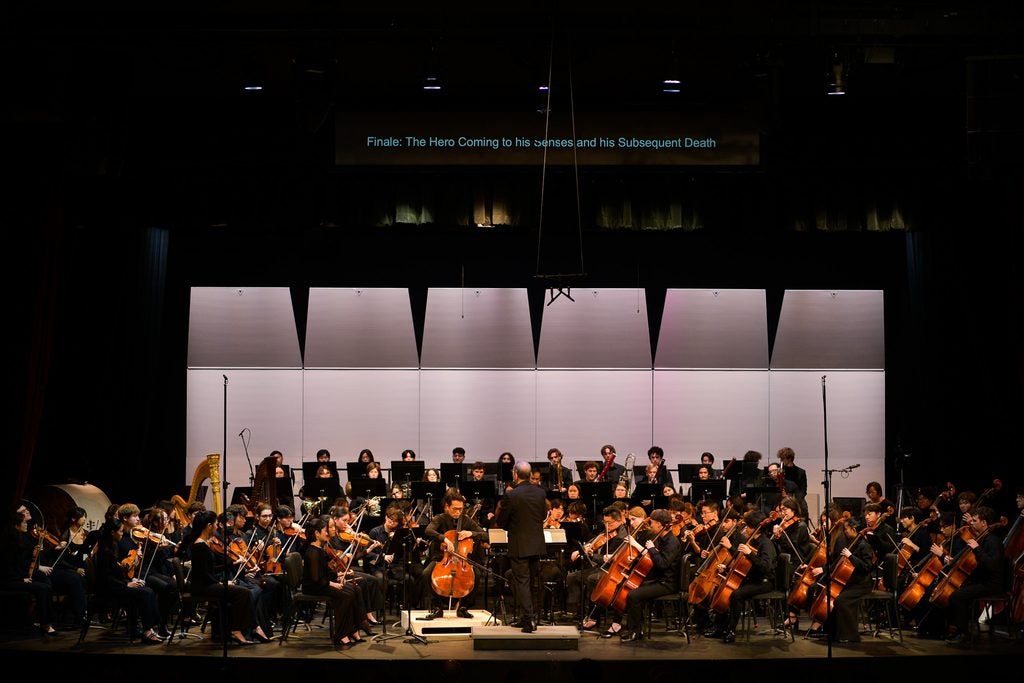
It’s a complex process, indeed. Over many weeks of rehearsals, discussions and guest lectures, the UCLA Philharmonia pieced their interpretation together.
“Strauss’s ‘Don Quixote’ is one of the pinnacles of cello playing, and is also [Hong’s] cherished piece,” principal cellist and cello performance student Isaac Fromme said. “He put so much attention to detail and gave us so much inspiration … I can’t be more grateful to play alongside him.”
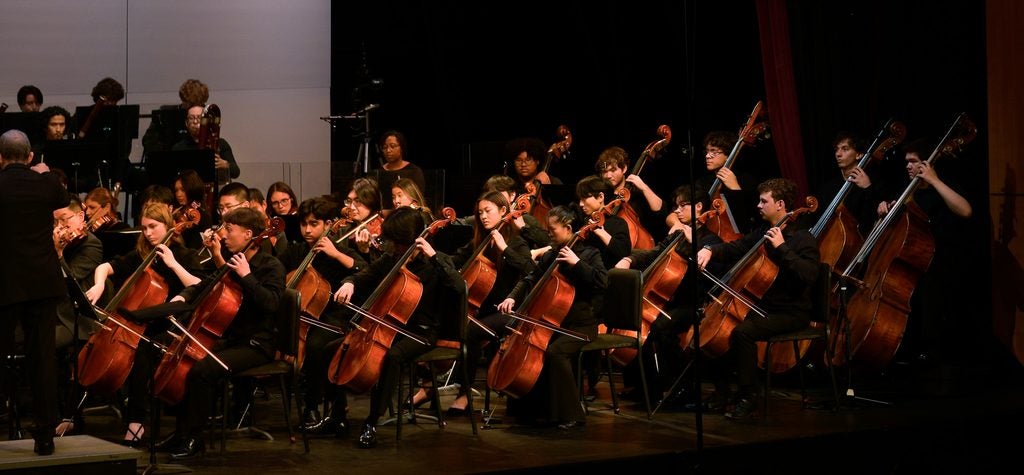
This was Hong’s first collaboration with the UCLA Philharmonia as a soloist. Hong expressed that it is a luxury to have the time and space to be able to take a deep dive into the piece, working on details and honing interpretation.
“It was a group effort from the students— learning, listening, asking questions,” Hong said. “I was learning alongside the students.”
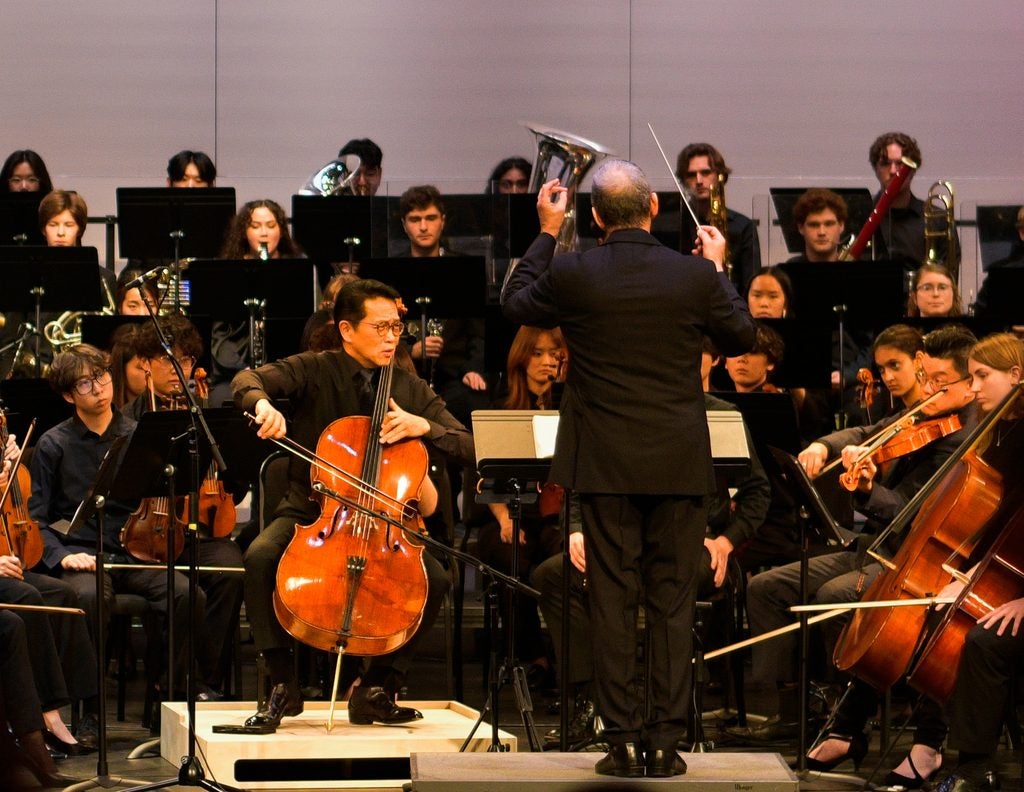
Hong was present with the orchestra from the very first rehearsal, even before they played their first note. He didn’t wish to be set apart as a soloist. Instead, he wanted to be seen as a member of the orchestra. He cited the students’ dedication throughout the rehearsals as a source of motivation.
“Even though I was able to play this solo part, the most satisfying aspect of this performance was being able to grow with [the students] and finish this project together,” Hong said. “And that’s the most wonderful part of this whole thing.”