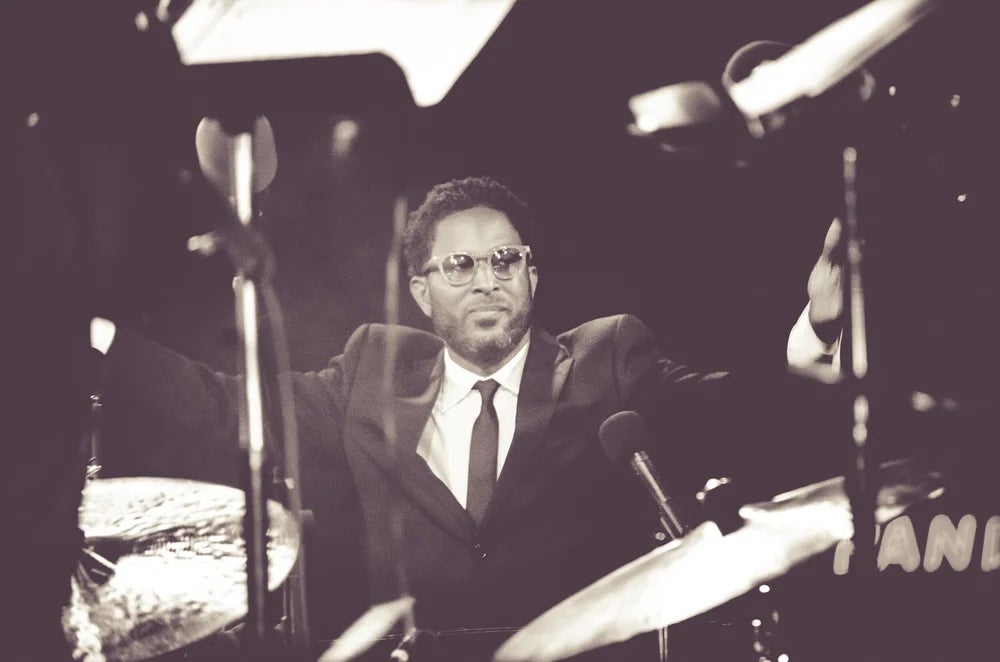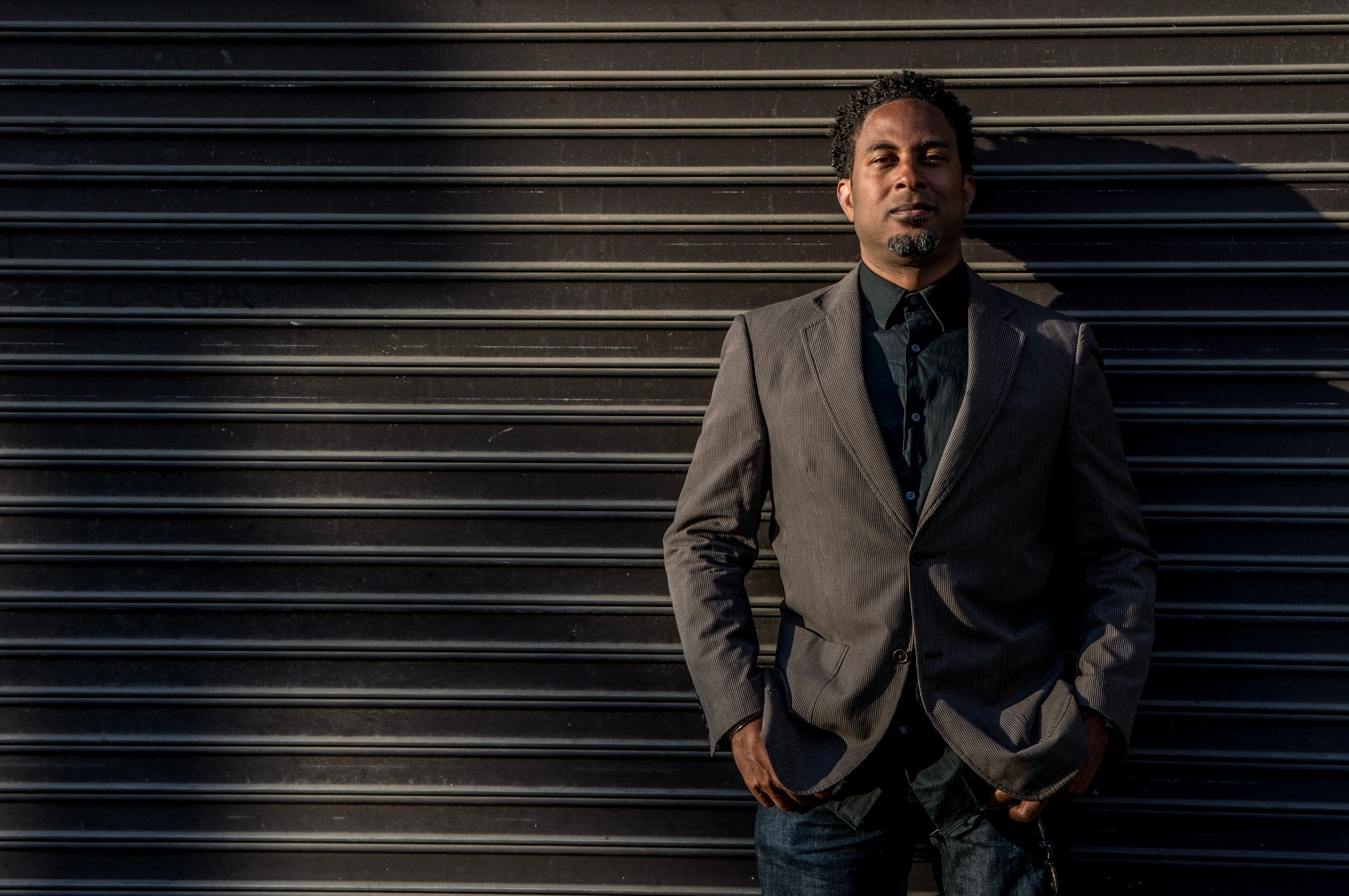
Dexter Story spent decades in the music industry, much of it as a working musician and producer, bringing to life the varied sounds of African jazz. But he sensed something was missing.
“I knew the arrangements. I knew the scales and modes, I knew how to perform it,” said Story. “But I realized I didn’t really know the music’s history, or its context.”
That realization helped set Story on a path that has now brought him to The UCLA Herb Alpert School of Music, where he joins the faculty as an assistant professor of ethnomusicology.
“Dexter Story is a working musician, composer and arranger as well as a scholar, and that combination brings something special to our students,” said Michael Beckerman, Dean of The UCLA Herb Alpert School of Music. “That’s really what we’re about here. Our students learn from people who are making music, thinking about music and engaging deeply with it all at the same time. Dexter brings that experience into the classroom and into our community, and I’m very happy to have him here as a teacher and a colleague.”
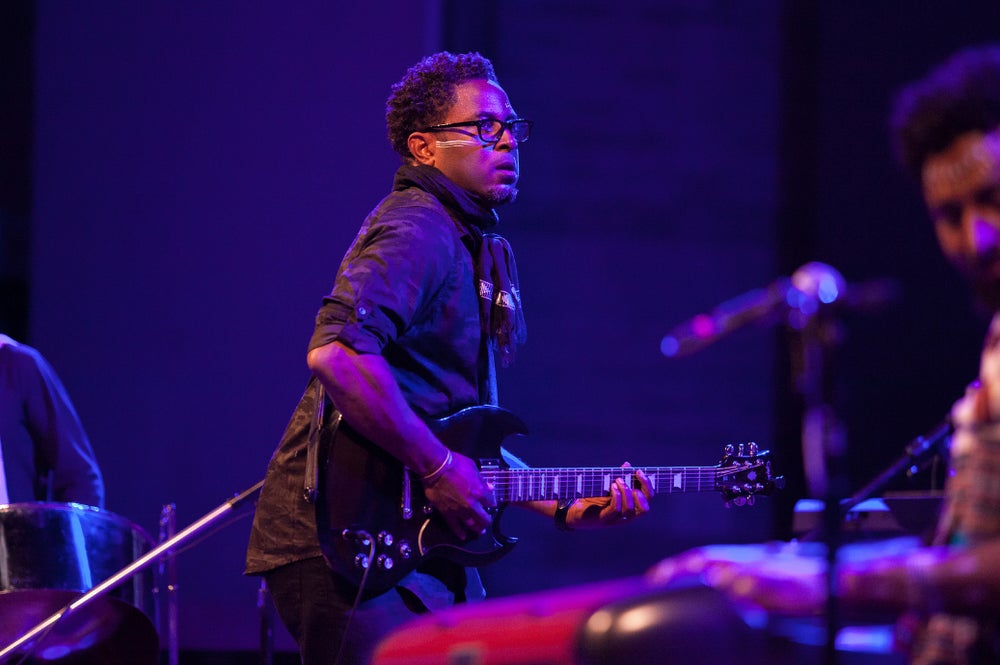
For Story, the roles are not separate. His musical practice led him to scholarship, and his research continues to shape the music he makes.
Story grew up in Los Angeles in a family that encouraged both the arts and higher education. His parents had migrated to Los Angeles from the South during the Great Migration, and his father introduced him to music, particularly blues, jazz, and the musical history of Central Avenue.
“I started painting and drawing and also playing instruments,” Story says. “Music was just the thing that I was most drawn to, but I’m still into art as well.”
He built a career in music, working as a musician and arranger and performing music that drew on jazz, soul and African musical traditions. His career path also led him to social activism, a production consultancy, and work behind-the-scenes.
In the mid-2010s, while performing with a band that played Ethiopian and other African music, he began digging more deeply into the music. Online recordings opened up a vast musical world, and Story began to recognize how much more there was to explore and contextualize.
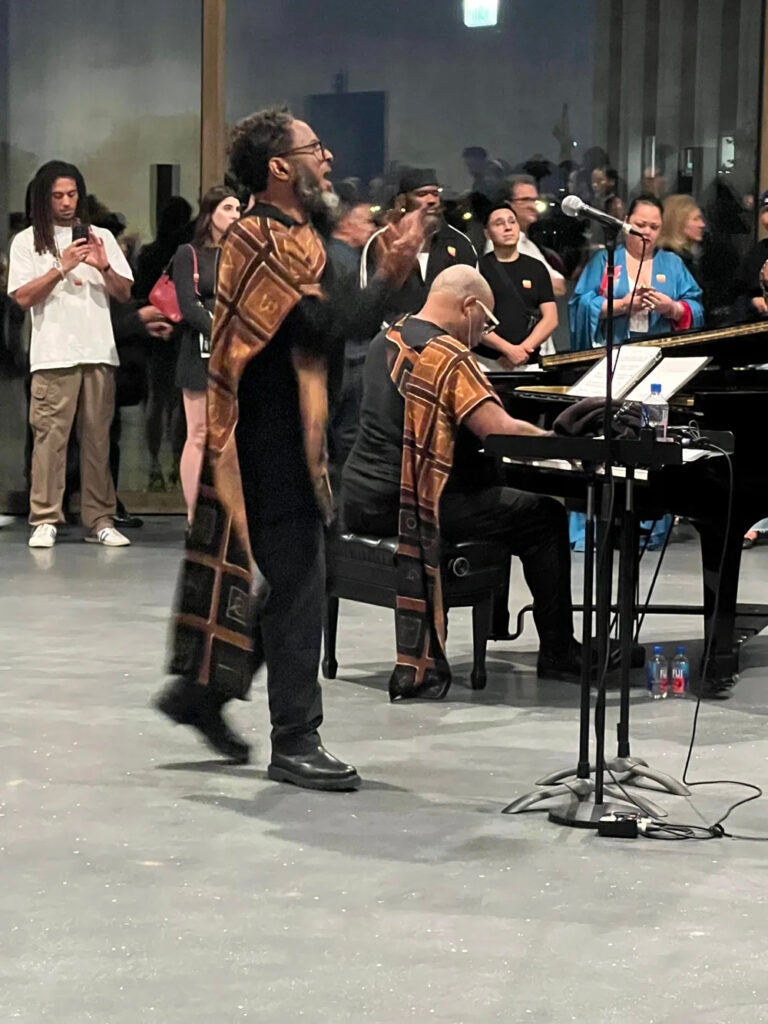
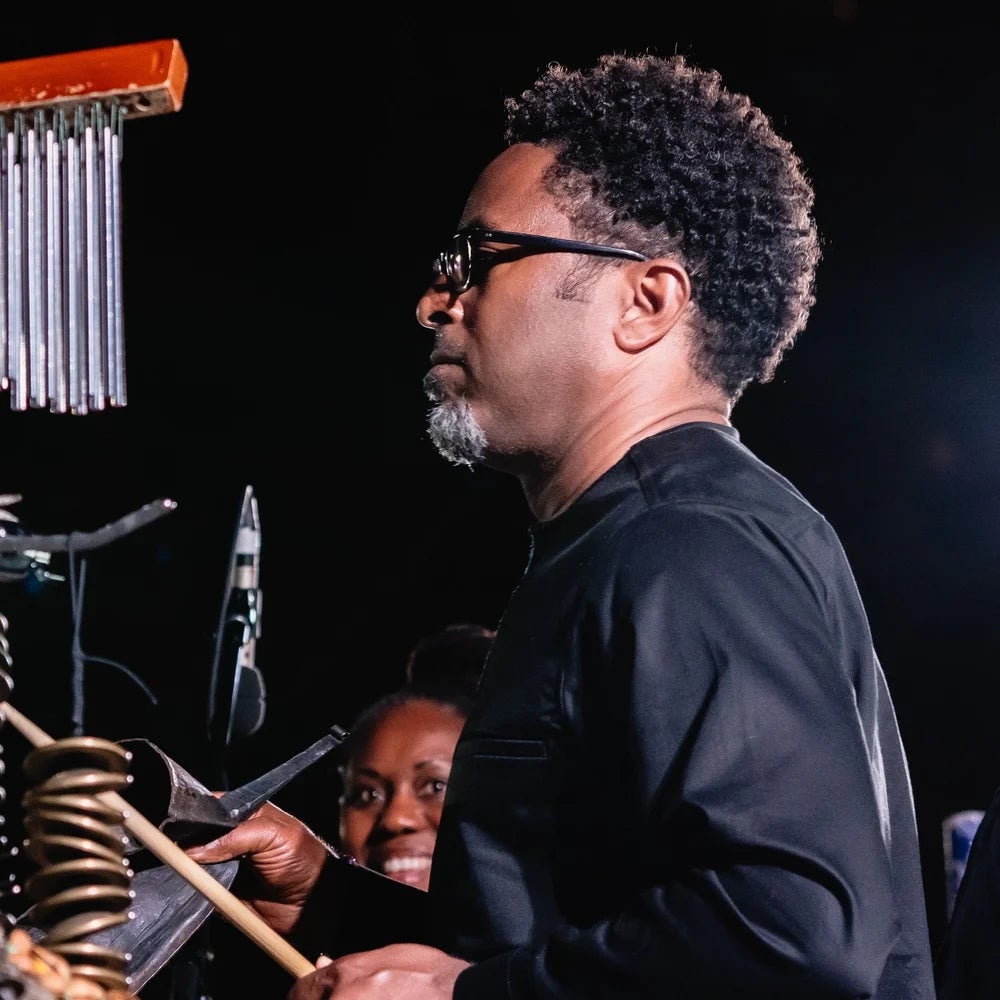
“I came back to the university context open, humbled, and extremely curious,” said Story. “I try to bring this sense of wonder about life and music, and how they connect.”
That connection is at the heart of Story’s approach to ethnomusicology. His research has focused on the Horn of Africa, while extending more broadly across Africa and the global movement of music and culture. He is particularly interested in the ways music travels across borders and between diasporas, and in the reciprocal influence that can emerge from those exchanges.
One area of interest is the transatlantic musical relationship between Africa and Latin America. While West and Central African influence on Latin American and Caribbean music is well documented, Story is also interested in the music that traveled in the opposite direction, including the influence of Cuban styles on twentieth-century African popular music. He points to Congolese rumba as one example of what he calls the “boomerang effect” of musical exchange.
His work also examines the relationship between music and political history, including cultural exchanges associated with U.S. State Department tours, the Peace Corps, and periods of war, liberation struggle, and political conflict.
“We are delighted to welcome Dexter Story to the faculty,” said Helen Rees, chair of the ethnomusicology department. “Musics of Africa and the African diaspora have long been focal strengths for us, and with Story joining Professor Cheryl Keyes in these specialties, we shall be greatly expanding the courses we can offer for the many students interested in the area.”
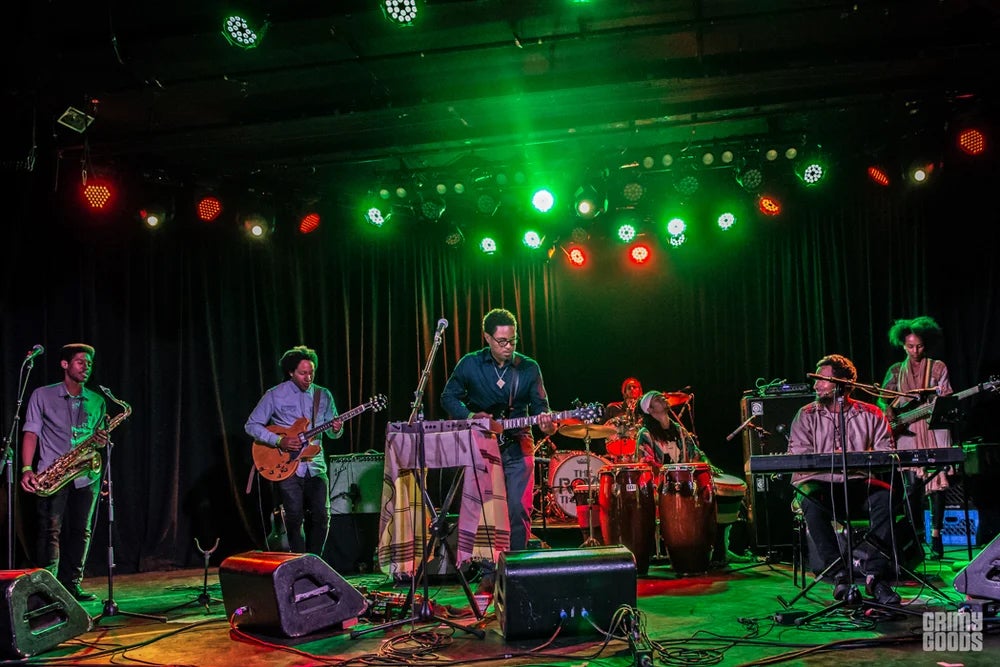
Part of the attraction to ethnomusicology as a discipline is its emphasis on field research and “bi-musicality” – the practice of learning how to perform music we study. It was an approach pioneered at UCLA in the early 1960s by Mantle Hood. “UCLA Ethnomusicology has a rich legacy,” said Story.
That emphasis on human connection will also inform Story’s teaching at UCLA. He sees teaching as a particular responsibility at a moment when students have unprecedented access to information.
“I’m looking forward to finding some point of connection with students on these emerging technologies,” he says, “and finding balance with the real time exchange of ideas, beginner’s mind approaches, and the grounding of deep listening.”
Story is currently writing a book for Bloomsbury on a seminal Ethio-jazz album by Mulatu Astatke. He also plans to continue producing music and documentaries and releasing albums. His next album, T’som, is scheduled for release October 30 and features artists as diverse as Kamasi Washington, Sudan Archives, Georgia Anne Muldrow, Miguel Atwood-Ferguson, Kibrom Birhane, Jimetta Rose, Carlos Niño as well as emerging artists from the Horn and field recordings.
The title, which refers to fasting in the semitic worlds of northeast Africa as a transformative modality, reflects the continuing conversation between Story’s scholarship and his musical work. He hopes to keep bringing those worlds together through composition, research, production and pedagogy, and to make a difference in his discipline.