
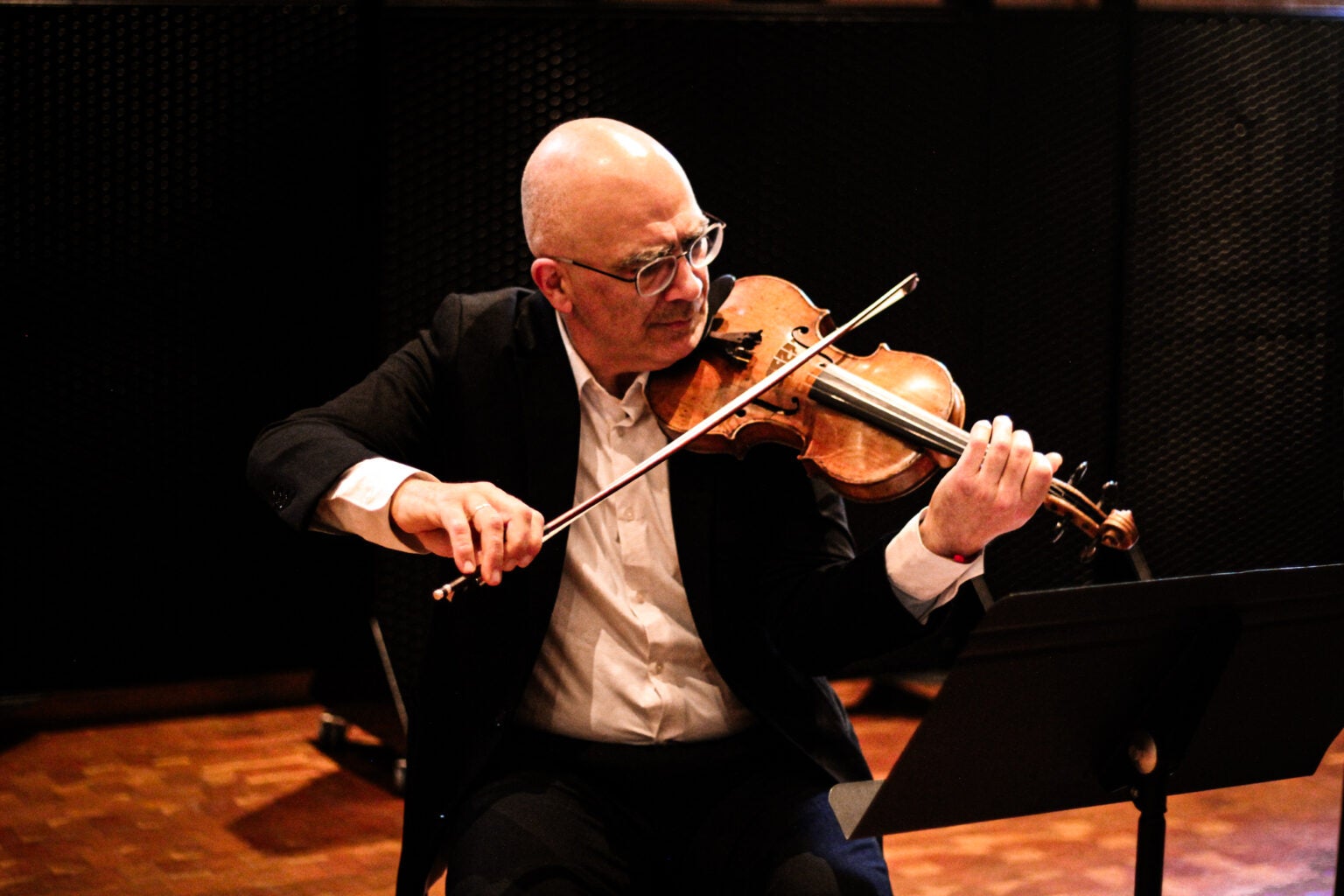
A Recital by Movses Pogossian
May 27, 2026
8:00 p.m.
Schoenberg Hall
Performers
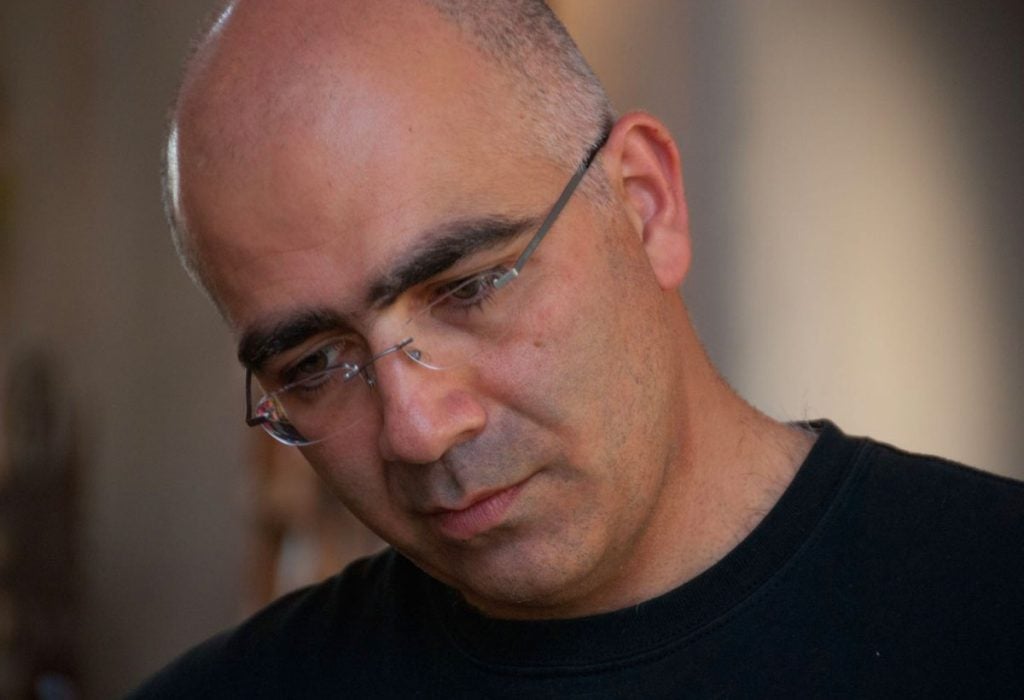
Movses Pogossian
See Bio
Armenian-American violinist Movses Pogossian made his American debut performing the Tchaikovsky Concerto with the Boston Pops in 1990, about which the Boston Globe wrote: “There is freedom in his playing, but also taste and discipline. It was a fiery, centered, and highly musical performance…” Laureate of several competitions, including the Tchaikovsky International Competition, he extensively performs worldwide. A devoted chamber musician, Pogossian has performed with members of the Tokyo, Kronos, and Brentano string quartets, and with such artists as Kim Kashkashian, Jeremy Denk, Lynn Harrell, Ani and Ida Kavafian, and Rohan de Saram. He frequently collaborates with the Apple Hill Chamber Players, teaching annually at their summer music festival in New Hampshire. A committed champion of new music, Pogossian has premiered over 100 works, and works closely with composers such as G. Kurtág, K. Saariaho, T. Mansurian, Gabriela Lena Frank, and many others. Pogossian’s discography includes the Complete Sonatas and Partitas by J. S. Bach, solo CDs “Inspired by Bach”, “Blooming Sounds”, “In Nomine”, “Hommage à Kurtág” (2022), a 4 CD-set “Serenade with a Dandelion”, and, most recently, another 4 CD-set “Stanzas in August: Armenian Music, new and rediscovered”. The Bridge Records CD of Complete Violin Works of Wolpe made the 2015 Top Ten list in Sunday Times (UK), and the Modulation Necklace series of Armenian (New Focus Recordings) and “Con Anima” (ECM) have garnered critical acclaim. Pogossian is Distinguished Professor of Violin at the UCLA Herb Alpert School of Music and Founding Director and Advisor of the UCLA Armenian Music Program. As Head of the Los Angeles Chapter, he actively participates in the Music for Food project (musicforfood.net) which raises awareness of the hunger problem and gives the opportunity to experience the powerful role music can play as a catalyst for change.
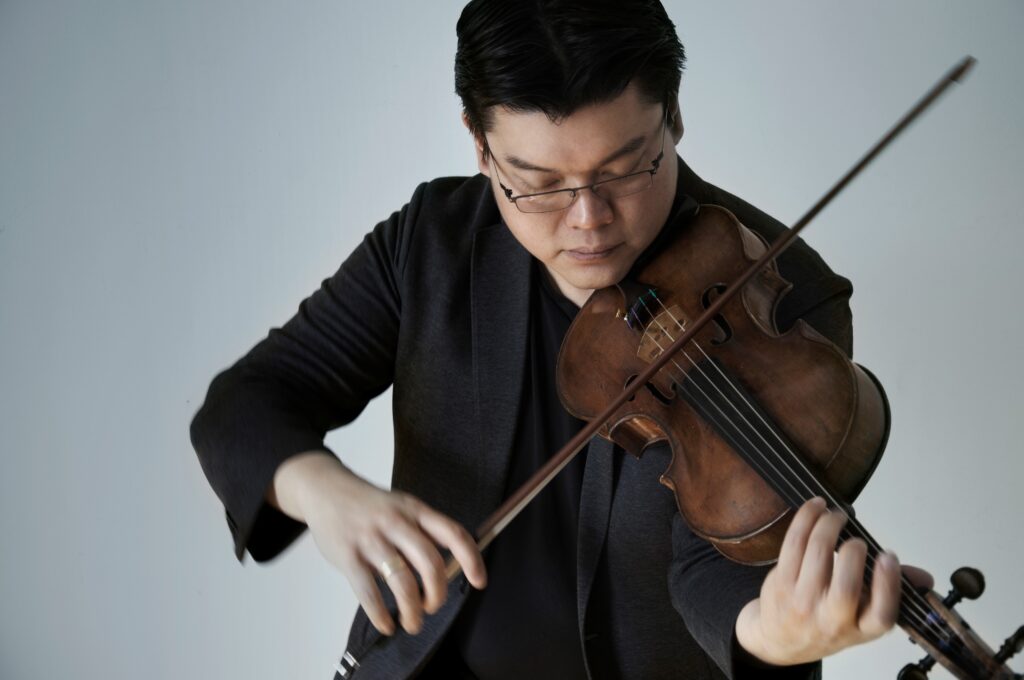
Che-Yen Chen
See Bio
Taiwanese-American violist Che-Yen Chen has established himself as an active performer and educator. Since winning First Prize in the 2003 Primrose International Viola Competition and the “President Prize” of the Lionel Tertis International Viola Competition, he was described as a musician whose “most impressive aspect of his playing was his ability to find not just the subtle emotion, but the humanity hidden in the music.” As the founding and former member of the Formosa Quartet, he won the first prize in the 2006 London International String Quartet Competition, founded the Formosa Chamber Music Festival in Taiwan, and has released recordings on EMI, Delos, New World, and Bridge Records. Chen was the principal violist of the San Diego Symphony and Mainly Mozart Festival Orchestra for eight years and has appeared as guest principal with Los Angeles Philharmonic, Los Angeles Chamber Orchestra, San Francisco Symphony, Cincinnati Symphony Orchestra, National Arts Centre Orchestra, and Toronto Symphony. A former Lincoln Center Chamber Music Society Two member, Chen frequently performs and teaches at music festivals across North America and Asia. Professor of Viola Performance and Chamber Music at UCLA Herb Alpert School of Music, Chen has previously served on the faculty of USC Thornton School of Music, UC San Diego, San Diego State University, California State University Fullerton, and McGill University. A native of Taipei, Chen began his viola study with Ben Lin and became a four-time winner of the National Viola Competition in Taiwan. As a fourteen-year-old, he came to the U.S.A. to matriculate at The Curtis Institute of Music under the mentorship of Michael Tree and Joseph de Pasquale and later at The Juilliard School studying viola performance and string quartet under Paul Neubauer and The Juilliard Quartet. Chen joined the renowned Ehnes Quartet in 2023.
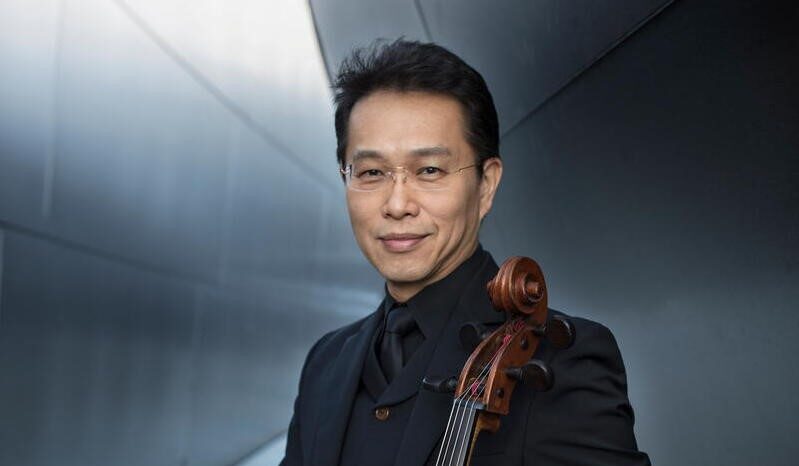
Ben Hong
See Bio
Cellist Ben Hong joined the Los Angeles Philharmonic in 1993 at age 24 as a section player and six months later, he won the assistant principal cello position. He currently serves as associate principal cello, appointed by LA Phil Music Director Gustavo Dudamel in 2015. Hong also performs frequently as a soloist and as a member of chamber music ensembles. He has collaborated with such artists as Emanuel Ax, Yefim Bronfman, Janine Jansen, Lang Lang, Anne-Sophie Mutter, Sir Simon Rattle and Esa-Pekka Salonen. Concerto appearances with the LA Phil have included the U.S. premiere of Mark-Anthony Turnage’s cello concerto Kai, with Rattle conducting at the Ojai Music Festival; the LA Phil premiere of Tan Dun’s Crouching Tiger Concerto, conducted by Long Yu at the Hollywood Bowl; and the U.S premiere of Bernd Alois Zimmermann’s concerto for cello and orchestra, en forme de pas de trois, conducted by Susanna Mälkki.
DreamWorks Pictures hired Hong to train Jamie Foxx and several other cast members of the 2009 film The Soloist. In addition, he was the featured soloist on the soundtrack, which was released on the Deutsche Grammophon label. In 2020, Hong was asked by the Los Angeles Lakers to perform a rendition of “Hallelujah” at the Staples Center as part of a pre-game tribute in memory of Kobe Bryant.
Born in Taipei, Taiwan, Hong won his native country’s national cello competition three years in a row before leaving home at age 13 for the Juilliard School. Later, he studied with Lynn Harrell at the USC School of Music before joining the LA Phil.
Varty Manouelian
See Bio
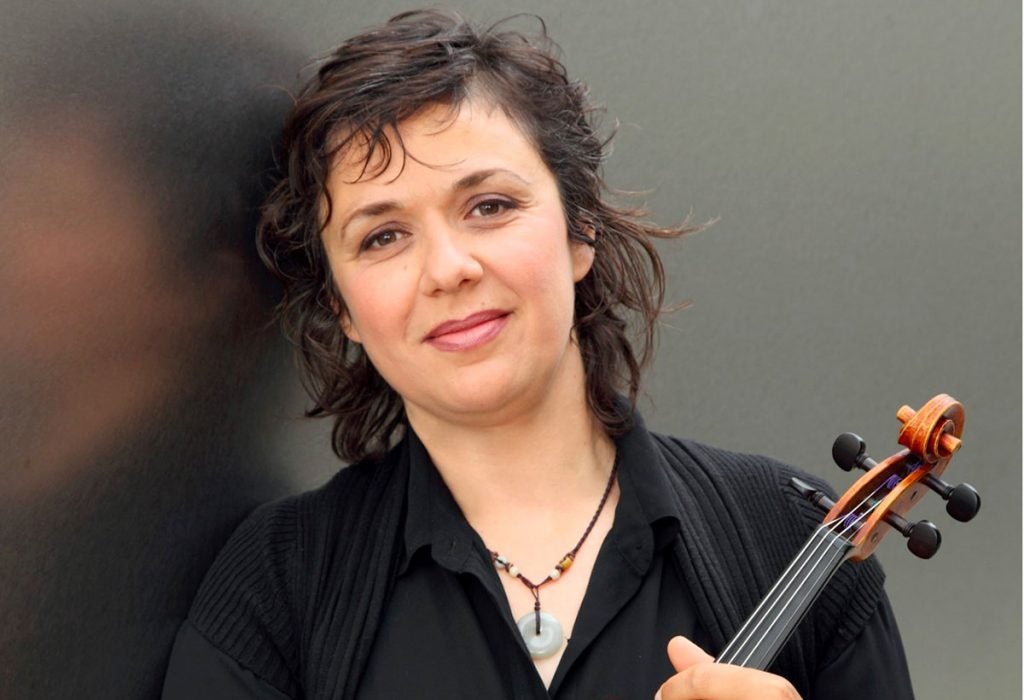
Varty Manouelian made her American Debut in 1993 with the North Carolina Symphony as First Prize winner of the Bryan International Competition. Shehas also been a prize winner at anumber of other competitions in Europe, including the Kotzian International Competition and the Wieniawski International Violin Competition. Manouelian has recorded and appeared as a soloist with numerous orchestras in the United States, Bulgaria, Russia, Armenia, Poland, Spain and Italy. Her chamber music performances include Marlboro Music Festival, Apple Hill Festival, Sebago Festival, El Paso Festival, Olympic Music Festival, among others. She has collaborated as a chamber musician with such artists as Joshua Bell, Yuja Wang, Kim Kashkashian, Rohan de Saram, Garrick Ohlsson, Nobuko Imai, Thomas Adès, and members of the Juilliard, Guarner, Tokyo, Brentano, Borromeo, and Mendelssohn string quartets.
Dedicated teacher and educator, Varty Manouelian is a Lecturer of Violin at the UCLA Herb Alpert School of Music, teaches violin and chamber music at the Colburn Academy and CSPA, and spends summers coaching chamber music at the Apple Hill Festival in New Hampshire. She has been an active participant at LA Philharmonic’s Music Outreach programs, having taught at YOLA since its inception, as well as at the Renaissance Arts Academy.
Prior to joining the Los Angeles Philharmonic in 2004, Manouelian was a member of the Detroit Symphony Orchestra. In Los Angeles, she frequently performs at the Los Angels Philharmonic’s Chamber Music Society and Green Umbrella new-music series, as well as at Camerata Pacifica, Monday Evening Concerts, and the Dilijan Series. Her recording credits include archival radio recordings for the Bulgarian State Radio, and CDs on Albany and Bridge Records labels. Her recent CD of Complete Violin Works of Stefan Wolpe (jointly with Movses Pogossian) made the 2015 Top Ten list in Sunday Times (UK). Varty Manouelian holds degrees from the State Music Academy in Bulgaria and the Cleveland Institute of Music, where she studied with Boyan Letchev and Donald Weilerstein.
Ji Young An
See Bio
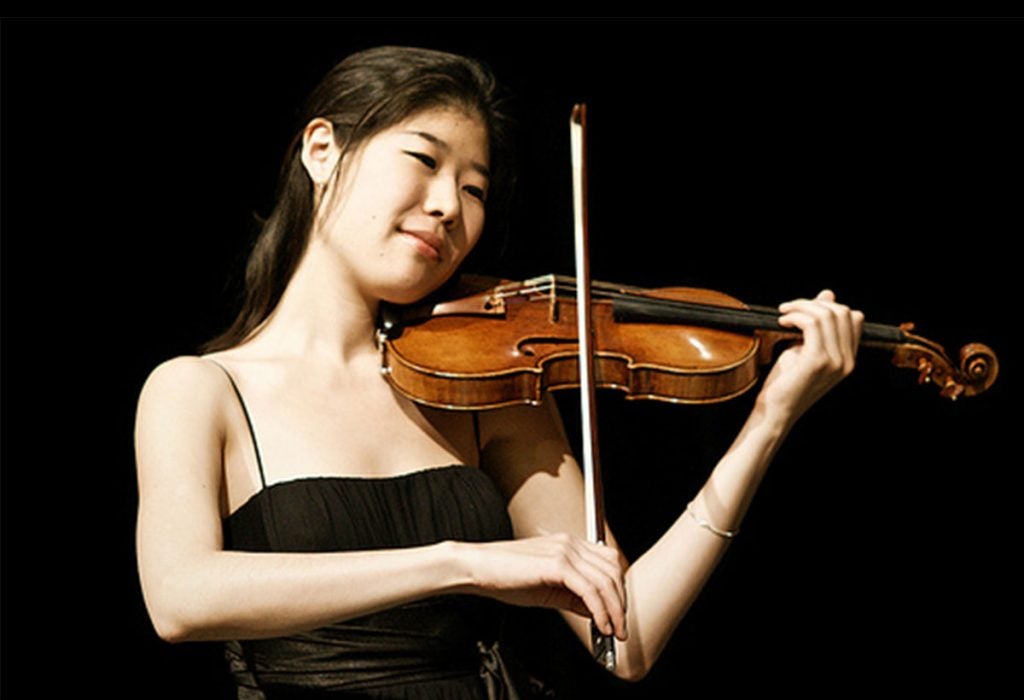
Born in Seoul, South Korea, violinist Ji Young An studied violin performance at the Conservatoire national supérieur de musique et de danse de Paris with Olivier Charlier and Joanna Matkowska, awarded Premier Prix in 2007. An furthered her studies in violin performance at the UCLA Herb Alpert School of Music with Guillaume Sutre, graduating with her Master’s and Doctoral degrees. She has also studied closely with renowned violinists such as Maryvonne Le Dizes, Régis Pasquier, Movses Pogossian and Alexander Treger.
Since 2013, she has been the Associate Concertmaster with the San Bernardino Symphony, and in 2014 joined the Santa Barbara Symphony. She has been serving as Principal Second Violin with Opera Santa Barbara since 2015. An is also an active recording musician, performing in major movie and video game music sessions.
Passionate about teaching, An served as Visiting Lecturer in Violin at UCLA during the 2014 Winter Quarter, filling in for Prof. Movses Pogossian during his sabbatical. She has also been in demand as a chamber music coach at the Crossroads School for Arts and Sciences Elizabeth Mandell Music Institute (EMMI) since 2015. When not performing or teaching in school, An maintains a full private studio from home.
Chris Hanulik
See Bio
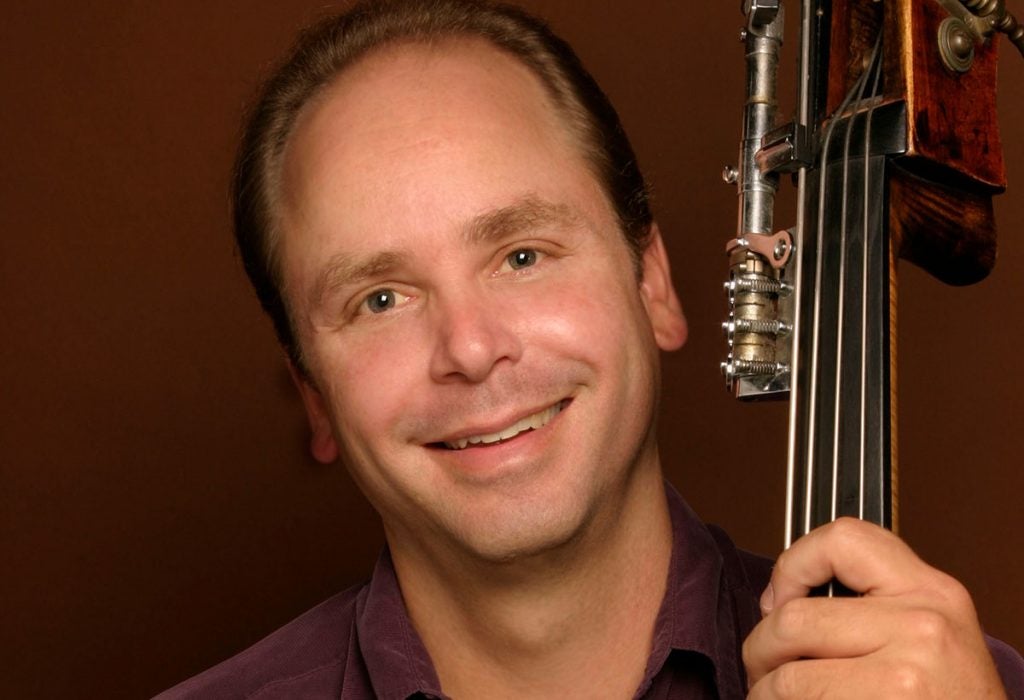
Christopher Hanulik joined the Los Angeles Philharmonic in 1984 and was appointed Principal Bass in 1987. Hanulik has also served as Principal Bass of the Cleveland Orchestra. During his tenure in Cleveland, he made numerous recordings including Histoire Du Soldat, conducted by Pierre Boulez for Deutsche Grammophon.
Hanulik appears regularly with the Los Angeles Philharmonic Chamber Music Society and on the Green Umbrella new music concerts. He has performed with the Miami String Quartet and the Jacques Thibaud String Trio, the Chicago String Quartet, and the Calder Quartet. He has also performed with Gil Shaham, Cho Liang Lin, Yefim Bronfman, Emanuel Ax, David Finckel, Wu Han and Thomas Ades among others. Hanulik has also performed at the St. Barth Music Festival, Chamber Music Sedona and La Jolla Summerfest.
VEM Quartet
Learn More
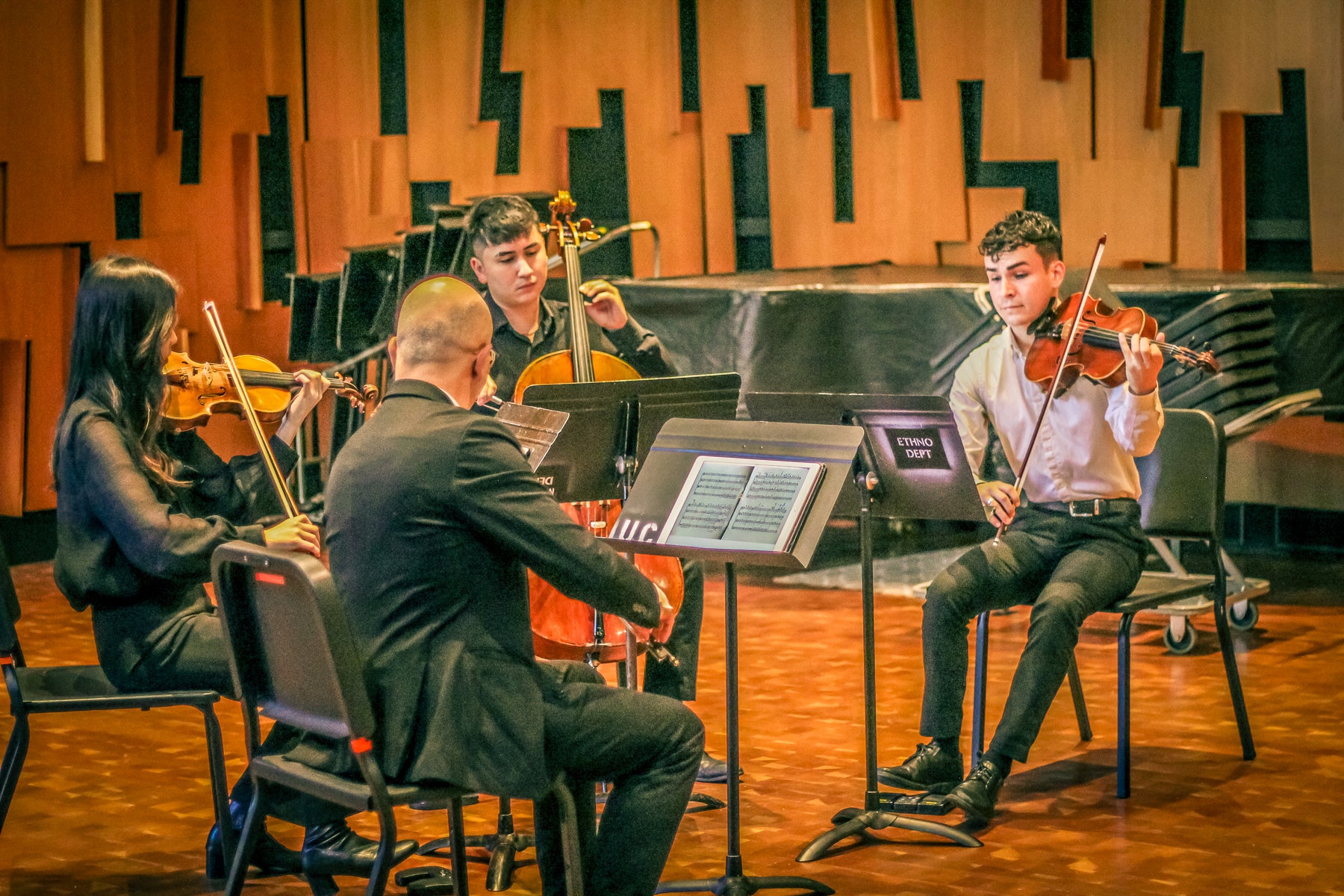
The VEM String Quartet is the cornerstone of the Armenian Music Program at UCLA, which in its 13 years of existence has become an internationally renowned leader in celebrating the richness and diversity of the Armenian musical tradition. In residence at the UCLA Herb Alpert School of Music, the VEM has worked with musicians such as Tigran Mansurian, Kim Kashkashian, David Starobin, Armen Hyusnunts, Artur Avanesov, Seth Knopp, and many others. The VEM has performed at various venues in Los Angeles including Zipper Hall, Bing Theater, Schoenberg Hall, and the Hammer Museum, as well as in Boston, Montreal, Detroit, New Mexico, Colorado, and the Incontri in Terra di Siena Festival in Italy. In his review of their performance in Italy, critic Laurence Vittes wrote, “The evening’s most memorable music was made by the VEM Quartet… who laid out Eduard Mirzoyan’s String Quartet with a feline, subtle grace that touched hearts with its gentle melodic content and long-lined eloquence.” The VEM is featured in Modulation Necklace and Serenade with a Dandelion, the critically acclaimed CDs of Armenian Music by the Naxos-distributed label, New Focus Recordings. It is also prominently featured in Stanzas in August 4-CD set of Armenian music, released by Naxos on May 1, 2026.
Movses Pogossian, violin
Ally Cho, violin, MM ‘25, DMA ‘27
Damon Zavala, viola, MM ‘24, DMA ‘27
Niall Tarō Ferguson, cello, BM ‘17
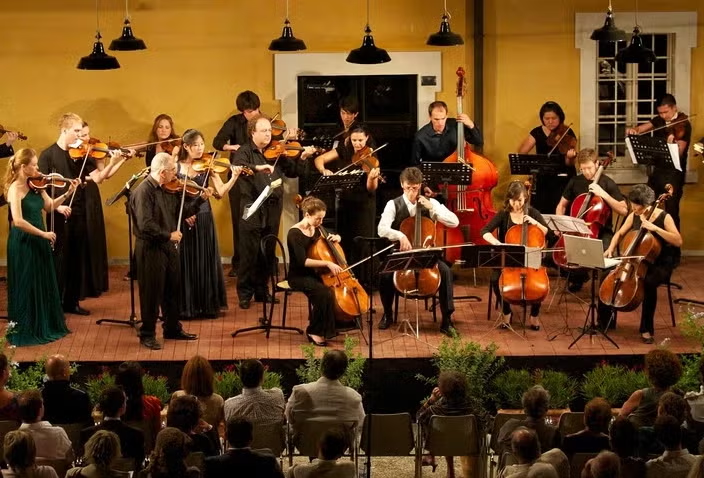
UCLA Camarades String Orchestra
See Roster
Violins:
Movses Pogossian
Ji Young Ann, MM ‘10, DMA ‘12
Aiko Richter, MM ‘19
Erin Tsui, BM ‘27
Ally Cho, MM ‘25, DMA ‘27
Michelle Sheehy, MM ‘23
Varty Manouelian
Tiffany Wee, BM ‘20
Alisa Gukasian, MM ‘26, DMA ‘28
Mana Tatsuki, BM ‘27
Gabriel Esperon, MM ‘26
Celeste Pena, BM ‘22
Violas:
Che-Yen Chen
Damon Zavala, MM ‘24, DMA ‘27
James Renk, BM ‘27
Jerry Wang, BM ‘28
Stefan Kosmala, BM ‘27
Cellos:
Ben Hong
Jeffrey Ho, BM ‘18, DMA ‘27
Annabelle Lo, BM ‘27
Nao Nadahara, BM ‘27
Niall Tarō Ferguson, BM ‘17
Basses:
Chris Hanulik
Aidan Neuman, MM ‘26
Luca Lesko, BM ‘26
Conductor:
Johannes Eberhart, BM ‘27
Repertoire
(Scroll down for program notes)
ALAN RIDOUT (1934-1996)
Ferdinand the Bull,
for violin and narrator (1971)
Movses Pogossian, violin
Narrators:
Andrew Dela Pena, BM ‘28
Johannes Eberhart, BM ’27
Jamily Lee, BM ‘28
Lyndsey Lipscomb, BM ‘28
– – –
GRIKOR MIRZAIAN SUNI (1876-1939)
Lorik (Quail)
arr. N. Ferguson
KOMITAS VARDAPET (1869-1935)
Ampel A (Clouds)
Kaqavik (Partridge)
arr. S. Aslamazian
HAYRIK MOURADIAN (1905-1999)
Mer Tan Idev (Behind Our House)
arr. N. Ferguson
UCLA VEM String Quartet
Movses Pogossian, violin
Ally Cho, violin, MM ‘25, DMA ‘27
Damon Zavala, viola, MM ‘24, DMA ‘27
Niall Tarō Ferguson, cello, BM ‘17
– – –
RICHARD WAGNER (1813-1883)
Prelude from Tristan und Isolde*
Film by Alik Barsoumian
arr. S. Gurtler
UCLA Camarades String Ensemble
Violins: Movses Pogossian, Ji Young Ann, MM ‘10, DMA ‘12 , Aiko Richter, MM ‘19, Erin Tsui, BM ‘27, Ally Cho, MM ‘25, DMA ‘27, Michelle Sheehy, MM ‘23
Varty Manouelian, Tiffany Wee, BM ‘20, Alisa Gukasian, MM ‘26, DMA ‘28, Mana Tatsuki, BM ‘27, Gabriel Esperon, MM ‘26, Celeste Pena, BM ‘22
Violas: Che-Yen Chen, Damon Zavala, MM ‘24, DMA ‘27, James Renk, BM ‘27, Jerry Wang, BM ‘28, Stefan Kosmala, BM ‘27
Cellos: Ben Hong, Jeffrey Ho, BM ‘18, DMA ‘27, Annabelle Lo, BM ‘27, Nao Nadahara, BM ‘27, Niall Tarō Ferguson, BM ‘17
Basses: Chris Hanulik, Aidan Neuman, MM ‘26, Luca Lesko, BM ‘26
Conductor: Johannes Eberhart, BM ‘27
*Dedicated to the memory of Antonio Lysy, a cherished colleague and founder of Camarades
Brief Intermission
LUDWIG VAN BEETHOVEN (1770-1827)
String Quartet No. 12 in E Flat Major, Op. 127
Adagio, ma non troppo e molto cantabile
Movses Pogossian and Varty Manouelian, violins
Che Yen Chen, viola
Ben Hong, cello
– – –
“The Gigue Suite”
JOHANN SEBASTIAN BACH (1685-1750)
Gigue from Partita No. 2 in D Minor for solo violin, BWV 1004
ANDREW MCINTOSH (b. 1985)
Gigue (2026, world premiere)*
NIALL TARŌ FERGUSON (b. 1994)
gigue from the stone valley (2026, world premiere)*
GYÖRGY KURTÁG (b. 1926)
The Carenza Jig, from Signs, Games, and Messages
JOHANN SEBASTIAN BACH (1685-1750)
Gigue from Partita No. 3 in E Major for solo violin, BWV 1006
Movses Pogossian, violin
*Commissioned by Movses Pogossian with the generous support of the UCLA Hugo and Christine Davise Fund for Contemporary Music, including new work by Gabriela Lena Frank to be premiered upon completion)
Program Notes
RIDOUT – Ferdinand the Bull
“The greatest juvenile classic since Winnie-the-Pooh.” — Life, 1938
“My favorite book.” – Mahatma Gandhi
– – –
VEM String Quartet
In Armenian, vem means rock—a simple word, but one filled with meaning. In Armenian culture, shaped by ancient mountains and enduring history, the image of the rock carries an added weight: survival, memory, and continuity.
– – –
WAGNER – Prelude from Tristan und Isolde
“I stood in wonder and terror before Tristan.”
–Giuseppe Verdi
Film creator Alik Barsoumian: In “Tristan and Isolde” Richard Wagner creates an atmosphere of perpetual longing through harmonic tension. As we listen, each musical phrase seems to reach toward resolution, only for dissonance to reappear and push us back into a Sisyphean cycle of sound. This musical structure mirrors the forbidden love of our hero and heroine – Tristan and Isolde – whose longing for one another can never find fulfillment in the earthly realm they inhabit.
The lovers discover their real world a prison, and in seeking liberation, awaken each other to their true selves. Theirs is a journey of transcendence into an invisible world – the metaphorical “night” of their shared existence, where the darkness shuts out all false appearances. Within the night’s embrace, they experience a fleeting liberation from the limits of their mortal existence, until daylight returns and tears them apart.
The resolution finally arrives, but only through death, suggesting, perhaps, that only in death can two people truly be united.
– – –
BEETHOVEN, String Quartet No. 12 in E Flat Major, Op. 127
Adagio, ma non troppo e molto cantabile
“…The center of the movement rises up to a distant, unexpected and radiant key area where the theme achieves a sense of religious ecstasy sung out in operatic style. It is a simple shift, and yet it reveals an entire world tangential to the one in which we typically dwell, as if Beethoven is able to lift us out of the plane of our existence. I am reminded of the moment in Edwin Abbott’s Flatland where a sphere lifts the protagonist, a square, out of the plane in which he lives and suddenly, with dizzying and overwhelming insight, our hero can see the insides of seemingly impenetrable figures from his world. The sense of clarification from a distance is as if we been privileged to see into the beyond. As we are gently placed back in the mortal sphere the illumination of this insight continues to glow; the beauty of our world glimmers and grows more rarefied”.
–Mark Steinberg, Brentano Quartet
– – –
“The Gigue Suite”
Giga/Gigue
The Italian races to escaping the circles it draws.
The French sweeps up and down, then hesitates. No body is leaping here, but thought, in a dance of the mind. (And not only here.)
-Paul Griffiths, from “on Bach’s six solo pieces for violin”, written for Movses Pogossian’s recording.
ANDREW MCINTOSH – Gigue (2026, world premiere)
Written for dear friend Movses Pogossian, Gigue has the particular resonance of a scordatura violin as its primary focus, with the open strings treated as an ascending ground bass. When imagining the piece I was thinking of Movses’s violin playing and his remarkable ability to make the violin sing expressively, even in dense and virtuosic passagework, this time mostly all in natural harmonics. The piece ends with a little coda in which the driving sixteenth notes from the beginning are replaced by slower shifting shadow rhythms, created by the muting of sympathetic resonance.
-Andrew McIntosh
FERGUSON – gigue from the stone valley (2026, world premiere)
Beginning in the character of a rustic, quasi-Scottish jig, “gigue from the stone valley” maintains its folksy momentum even as its harmonic language gradually expands and darkens. The piece was inspired by a visit to Armenia and the vast stillness of its rocky mountain landscapes, particularly the sensation of standing before distant valleys and imagining fragments of music echoing across them. Though rooted in simplistic rhythms and fiddle-like gestures, the work increasingly inhabits a more ambiguous and atmospheric sound world.
-Niall Tarō Ferguson
