
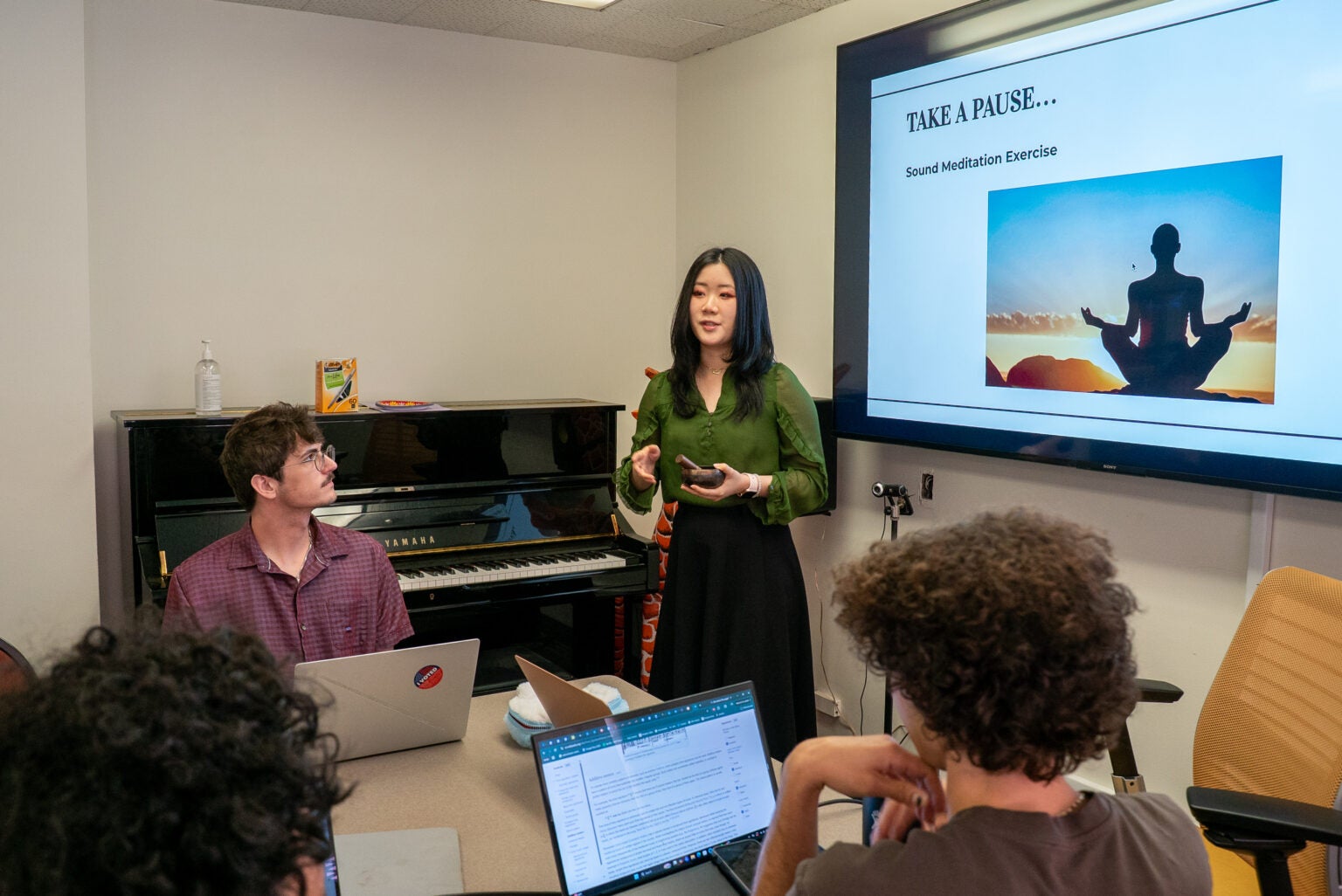
2026 Musicology Capstone
May 20, 2026
9am-4pm
1230 Schoenberg Music Building (Green Room).
Presenters
(for paper abstracts, select "See Bio")

Michael Beckerman
See Bio
Michael Beckerman is Dean of The UCLA Herb Alpert School of Music. He is a leading music historian and public intellectual. His groundbreaking studies of Central European composers have been described as “ingeniously conceived” and “brilliant,” and his work has been praised for its appeal to both academic specialists and the broad public. Beckerman’s expertise extends also to aesthetics and film music as well as a particular focus on musical life in concentration camps during the Second World War.
The author of eight books and more than 150 scholarly articles, Beckerman’s work is wide-ranging. He has written about composers such as Brahms, Beethoven and Mozart, as well as often-overlooked topics from the “edges” of Europe, including exiled composers, the music of the Roma (Gypsies) filtered through the imagination of the German baroque, and the musical recordings that Roald Amundsen took with him to the South Pole. His main preoccupations are exploring the relationship between music and the rest of the world and, during more introspective moments, determining if it is even possible to say anything about music or our shared past that is not ultimately arbitrary. His current book project, The Doctrine of One, deals with how responses to sound can be deeply personal and even unique to the individual listener.
Michael Beckerman is also known for his work on the music and lives of Czech composers Antonín Dvořák, Leos Janáček and Bohuslav Martinů and has earned many honors, among them the Deems Taylor Award from ASCAP, the Janáček Medal of the Czech Ministry of Culture, the Medal of the Dvořák Society, a Special Citation from the Czech Parliament, the Harrison Medal from the Society for Musicology in Ireland, as well as honorary doctorates from Palacký and Masaryk Universities in the Czech Republic.
Long a champion of bringing music scholarship to broader audiences, Dean Beckerman regularly contributes to national publications, lectures internationally, and curates music festivals and conferences. He has produced programs for NPR, PBS, the BBC, German Public Radio, CBC and Irish Radio, among others. He was the Leonard Bernstein Scholar in Residence at the New York Philharmonic from 2016-18, and has been a frequent contributor to The New York Times, writing on subjects that range from the influence of African American music on Dvořák’s “New World” Symphony to the quiet undercurrent of loss and nostalgia in Irving Berlin’s holiday anthem “White Christmas.” He has made programs on PBS’ Live from Lincoln Center with Oliver Saks, Stephen Sondheim and Yo-Yo Ma, and others. In 2025, he served as scholar-in-residence and artistic advisor for the Bard Musical Festival, where he gave lectures and co-edited a book on the music of Czech composer Bohuslav Martinů. The festival was profiled by Alex Ross for The New Yorker and in The New York Times.
Dean Beckerman has enjoyed a robust career in music scholarship, performance and composition that has spanned the globe. He has held research grants from the American Council of Learned Societies, the National Endowment for the Humanities, IREX, and was a Fulbright Scholar. Prior to his appointment at The UCLA Herb Alpert School of Music, he was Carroll and Milton Petrie Professor of Music at New York University and Distinguished Professor of music at Lancaster University. He has also been on faculty at Central European University, Washington University in St. Louis and the University of California, Santa Barbara, where he taught from 1992-2003, making his appointment as dean of The UCLA Herb Alpert School of Music a musical and professional homecoming.
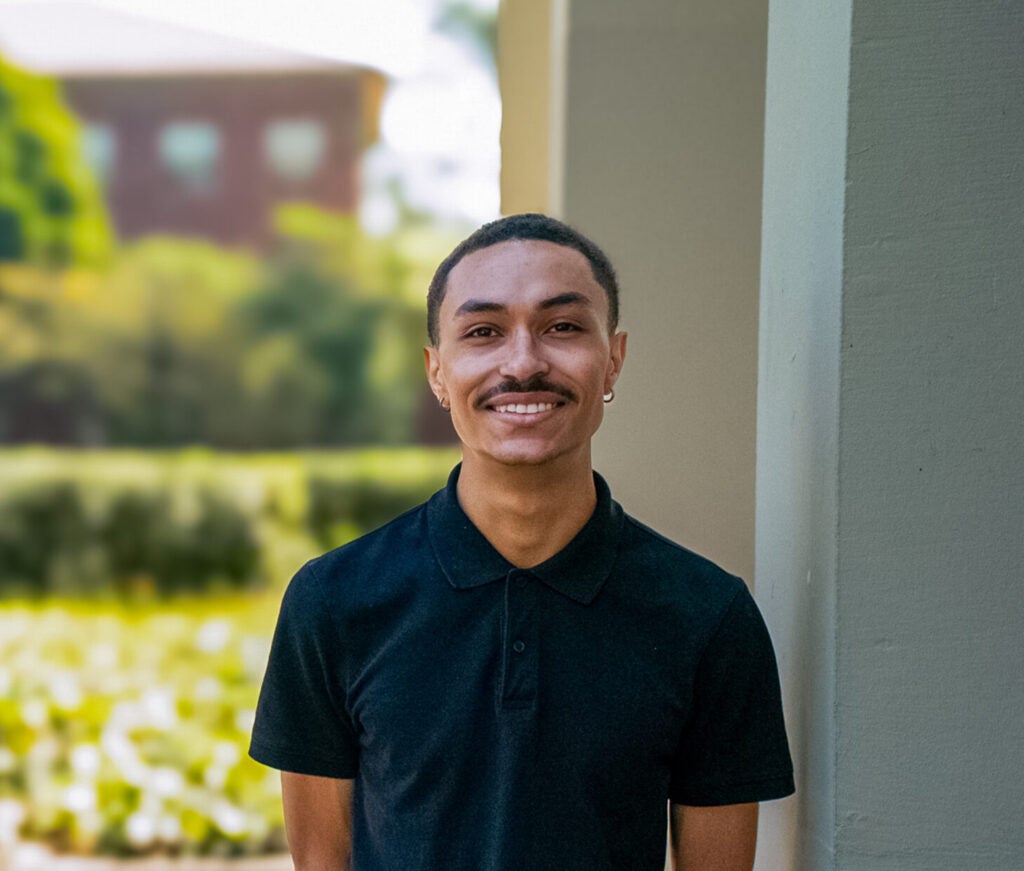
Maxwell (Max) Gailey
See Bio
Maxwell (Max) Gailey originates from Fairfield, California. He will graduate with a BA in Musicology and a minor in Music Industry. Throughout his involvement in online music spaces and local DIY organizations such as DAW, Max harbors a deep passion for understanding how digital music connects listeners, both across the internet and in-person. As a music producer, he enjoys collaborating with others and experimenting within the creative process. After graduation, Max plans to stay in Los Angeles and pursue a career in artist relations.
“Online Music Communities: An Examination of the Covid-Era SoundCloud Underground”
This project examines the SoundCloud underground throughout the COVID-19 pandemic (2020-2022). Born from the isolating conditions of quarantine, this scene was shaped by pre-existing digital music cultures and genres such as cloud rap, plugg, and hyperpop. Despite the devastating circumstances, the COVID-19 pandemic allowed for young creatives across the world to connect and collaborate online through an extensive social ecosystem, thriving within cyberinfrastructures such as Discord, Twitter, and TikTok. For many community members, Discord functioned as a hub for engaging with others, a digital music studio, and a substitute for physical venues all in one platform. Tight-knit online friend groups fostered into prominent music collectives such as NOVAGANG and bloodhounds, embodying a sense of unity and collective identity over the individual. Their creative practices of “corona-musicking” and eclectic genre experimentations were shaped as much by the realities of lockdown as by the social ecosystem itself. By documenting these practices through archival traces and interviews, this paper aims to build upon contemporary musicological scholarship while highlighting a movement that remains underexamined: an extraordinary convergence of pandemic conditions, digital infrastructures, and Gen-Z subculture—a movement unlikely to ever materialize again.
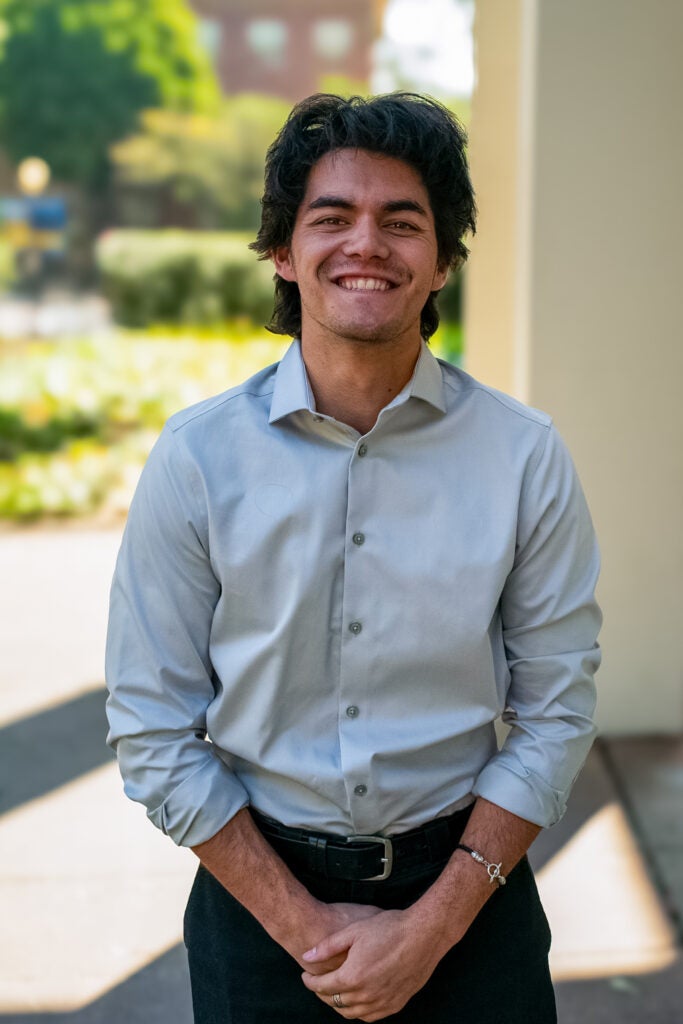
Chet Breister
See Bio
Chet Breister was born and raised in San Diego, California. He will graduate with a BA in Musicology and a minor in Music Industry. As a lifelong musician and performer, he is driven by a passion for live music. His undergraduate studies have centered on ludomusicology, connecting ludic gameplay with musical performance. Chet is involved in several ensembles and bands around Los Angeles, including UCLA’s Game Music Ensemble, and has become further involved with the VGM community. After graduation Chet is interested in a career in the music industry, working with live music or music for media.
“Aleatorically-Induced Nostalgia in the Virtual Worlds of Video Game Music”
This project investigates the intersection between aleatoric elements of video game music composition and nostalgia. Aleatoric music, which commonly incorporates indeterminacy or variability within musical structure, finds a natural application in video game music, where the “performer” is the player and musical outcomes are shaped by unpredictable gameplay inputs. Thus, video games are a wholly unique visual media, unfolding dynamically in relation to player interaction rather than through fixed, linear structures. Despite growing scholarship on both video game music and nostalgia, the unique relationship between aleatoric compositional practices and nostalgic experience remains underexplored within ludomusicology.
This project conceptualizes “virtual worlds” in contrast to physical spaces as experiential sites produced through the interaction between player and sound, where aleatoric systems contribute to the formation of deeply personal, reflective nostalgia. It further explores video game music’s intrinsic link to technological development, and how the role of aleatoricism in the nostalgic experience has shifted over time, from a structural inevitability in early games shaped by hardware limitations to a deliberate compositional strategy embedded within the complex audio ecosystems of modern titles. The paper employs a theoretical synthesis of scholarship on video game music, interactivity, and nostalgia, alongside a series of ludomusicological analyses of case studies. Through this theoretical framework, it demonstrates how aleatoric structures result in the formation of idiosyncratic nostalgic memories within the virtual spaces of games, while recognizing how technological advancement and expanding design practices have transformed aleatoricism’s role in the broader nostalgic ecosystem.
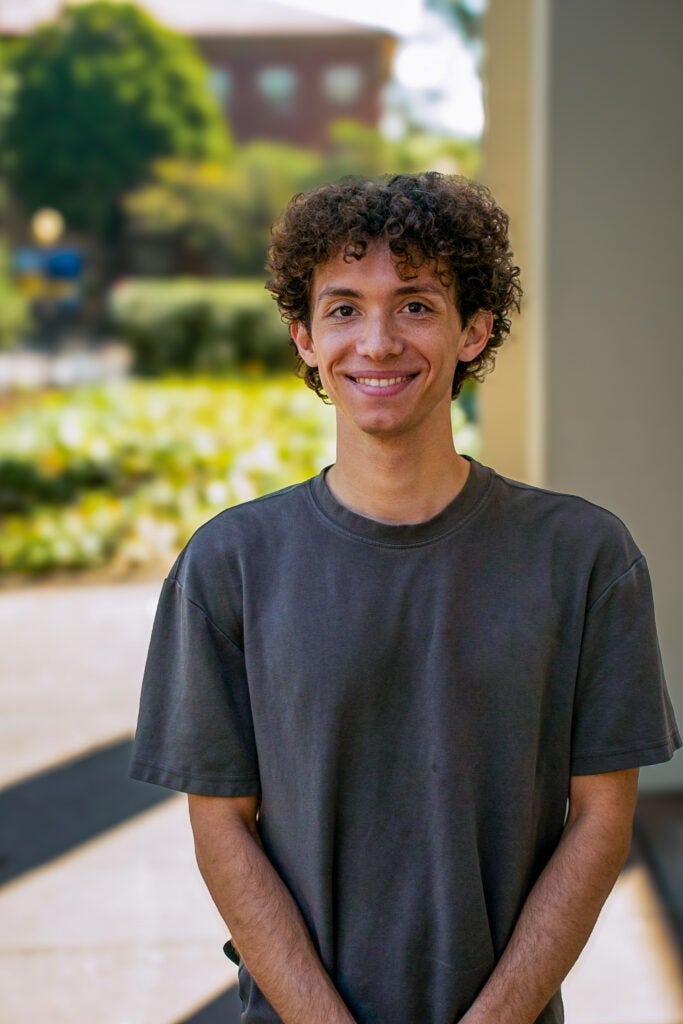
Darien Castillo
See Bio
Darien Castillo was born and raised in San Diego, California. As a member of the UCLA Alumni Scholars Club and UCLA Recreation Swim Instruction Team, he finds fulfillment in mentoring others and learning through teaching. Graduating with a major in Musicology and a minor in Music Industry, his academic focus is centered around researching music psychology topics and digital production. He enjoys writing, recording, and mixing/mastering music, ultimately wanting to professionally compose for visual media.
“Score and psychology in contemporary interactive media”
Endorsement for the integration of artificially generated work pervades all creative mediums, including musical composition and sound design for visual works. Developers of Advanced Music Systems (AMSs) for video games argue that generative music programs foster a more immersive playing environment through direct response to player performance and situation, offering salvation to the field of gaming score design which has supposedly stagnated as a result of repetitive structural principals. I reject these notions and argue instead for human efforts to situate immersive video game narratives through careful manipulation of diegetic quality and strategic compositional development or recontextualization. I conducted a critical examination of video game score design’s role in contextualizing narratives, conditioning player responses, and offering unique affordances that hold the potential to drive innovation in the field of audio-visual synchronization. I enlisted the perspective of a composer for the game title analyzed in my case study to expand my own perspective of approaches to score integration and raise new considerations regarding the function of diegetic barriers. Cross-referenced with existing qualitative research in the field of ludomusicology, my discussion seeks to reveal limitations of AMS integration through analysis of underexplored diegesis properties within video game environments, framed by a contemporary composer’s perspective. My dissection of the false diegetic dichotomy re-evaluates the function of diegesis by illustrating the psychological function of “ecodiegesis” and how its definition expands current understandings of the role between composers and audiences. I hope to stimulate reinforced inclusion of video game score in broader musical discourse, raising considerations of how the interactive format affords innovation of sound design principles within visual media pairings.
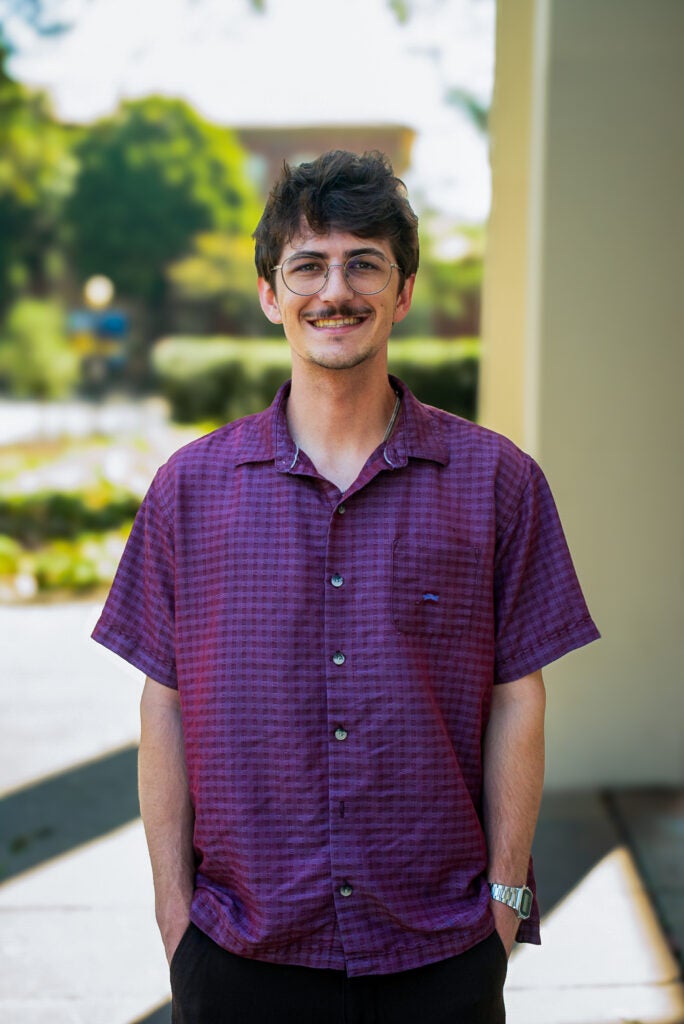
Tad Valente
See Bio
Tad Valente grew up studying classical piano performance in Torrance, California. As a senior in the Musicology BA program, Tad seeks to investigate the complicated relationship between sound, aesthetics, and power, especially within the contemporary digital landscape. Aside from furthering his own compositions, he has always been dedicated to teaching others music theory, history, production, and performance. After graduating from UCLA, Tad will continue his educational journey in the hopes of teaching and researching music professionally.
“‘Didn’t Buy the Beat’: Ownership, Labor, and the Meme-ified Producer Tag”
This project investigates the history, sonic function, and authorial significance of producer tags in hip-hop. Over the past two decades, producer tags have become a ubiquitous component of rap production as a means of signaling authorship, branding, and aesthetic identity. Industry titans, such as Metro Boomin and Tay Keith, have created famous tags that rile up audiences and resonate within rap communities. Underground rap producers–especially those making “type beats” and beat tutorials on SoundCloud and YouTube–require producer tags to maintain ownership and increase visibility of their work. In these digital spaces, however, tags have transcended simple utility to undergo a process of meme-ification, where producers employ absurdist humor and ironic performances to stake their claim in the industry. Despite their prominence, producer tags remain relatively understudied within musicological scholarship. This paper seeks to examine producer tags at the intersection of authorship, authenticity, intellectual property, and musicality. Through a combination of theoretical, historical, and sonic analysis, the paper will argue that producer tags constitute a vital authorial gesture that both reflects and reconfigures the unique producer-rapper relationship in contemporary hip-hop.
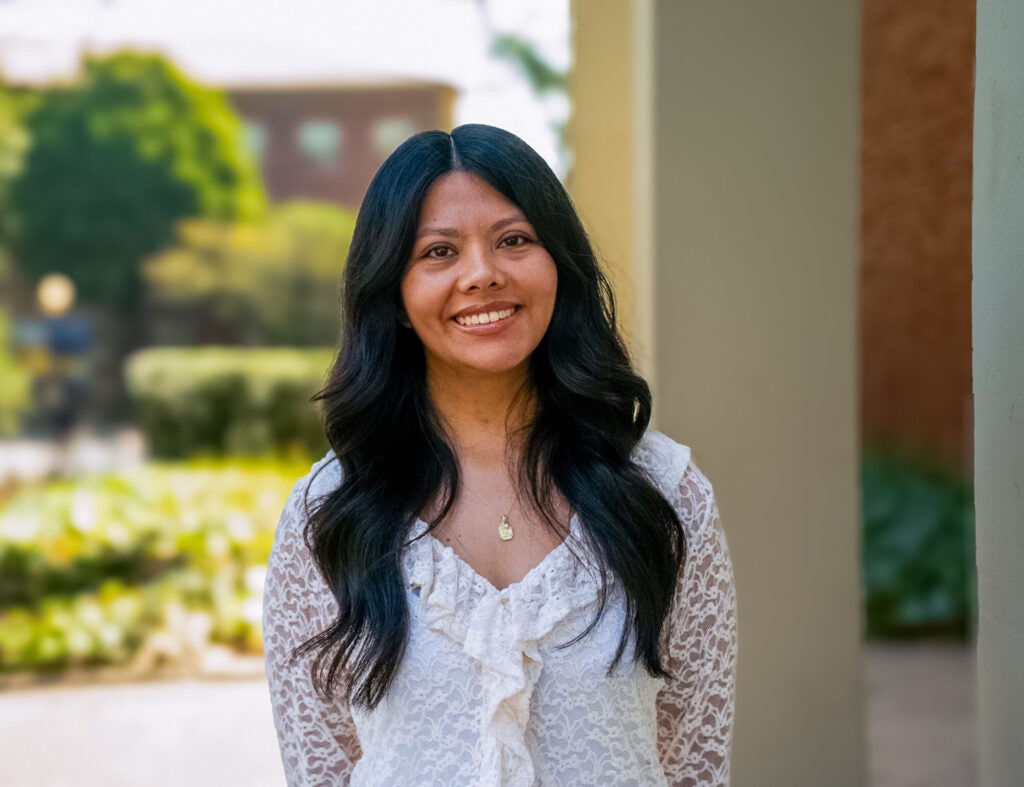
Marisol Ugalde Velazquez
See Bio
Marisol Ugalde Velazquez was born in Queretaro, Mexico and grew up in Temecula, California. She developed a love for music at a young age and has been a dedicated flutist for 14 years. She will graduate with a BA in Musicology and is interested in studying how the Latin American immigrant experience can be expressed in music and how it can affect how immigrants are perceived by society. After graduation, she plans to work in the Latin music industry.
“Resilience and Unity: The Immigrant Experience Through the Corridos of Los Tigres Del Norte”
This paper seeks to explore how the corridos of Los Tigres Del Norte, specifically discussing experiences regarding immigration aid in bringing these issues and stories to a larger audience and in turn helps foster unity and solidarity within the Latin American community. The group’s own experience as undocumented immigrants has shaped their dedication and willingness to highlight the stories of their audience, many of whom can relate closely to the experiences and events recounted in their songs. While analyzing these songs, it is important to be aware of the significant differences between corridos and narcocorridos. Although both forms share similar instrumentation, musical form, and have evolved alongside one another, both consider very different subject matter. Narcocorridos tell stories regarding the narco lifestyle while corridos can present a variety of themes such as love, religion, politics, and discrimination to name a few. Through lyrical analysis of “La Jaula De Oro,” “Tres Veces Mojado,” and “Somos Más Americanos,” and research into immigration history between the United States and Latin America, this study demonstrates how traumatic struggles are brought to light in these songs and argue that these corridos, among many others, can be tools for change, foster a collective identity, and promote unity amongst immigrant communities.
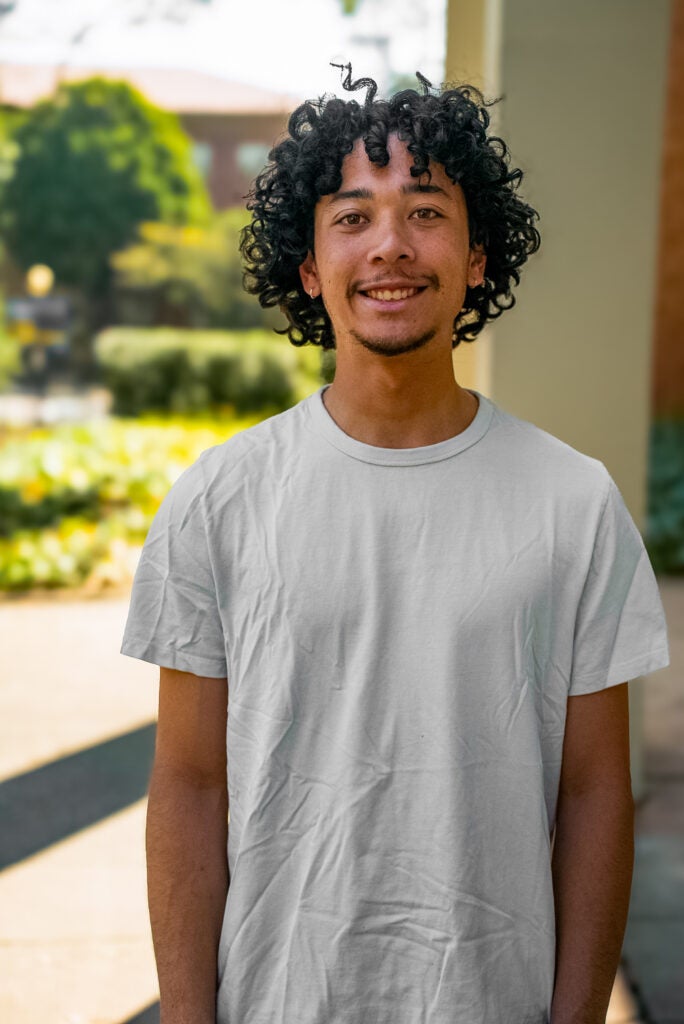
Teodoro Gnass
See Bio
Teodoro Gnass grew up in the city of San Francisco, California, and started studying music at a young age. He is graduating from UCLA with a Musicology major and a Spanish minor, and during his time at UCLA has taken up an interest in the skateboarding world and the street art scene in Los Angeles. Gnass is a member of the Skate Club at UCLA. Between his time in Los Angeles and San Francisco, he tries to create spaces for artists and outcasts who don’t usually have a chill place.
“From Sound to Movement: Embodiment and Musical Meaning in Urban Counterculture”
This project examines how skateboarding and graffiti, two urban countercultural practices, function as forms of embodied musical expression and interact with music. Drawing from personal experience growing up between San Francisco and Los Angeles, I begin with the observation that music, movement, and visual art are deeply intertwined in everyday urban life. What initially appear as separate activities – skating, tagging, and listening to music – reveals itself as a network of shared rhythms, spatial awareness, and bodily knowledge.
Using a combination of ethnographic fieldwork, historical research, and sound studies, this study analyzes how participants in these scenes engage with music beyond traditional instruments. Interviews with skateboarders, graffiti writers, and DJs, along with observations at skate spots and underground events, demonstrate how sound influences movement, style, and creative decision-making. Concepts of embodiment, particularly from scholars Mark L. Johnson and Greg Downey, provide a framework for understanding how meaning is produced through repetition, timing, and physical interaction with space. Ultimately, this paper argues that skateboarding and graffiti operate through logics comparable to musical performance. Through rhythm, improvisation, and spatial negotiation, practitioners transform the city into a site of performance. What may seem like noise or disorder instead becomes a form of composition, where the body, rather than a traditional instrument, serves as the primary medium of musical expression.
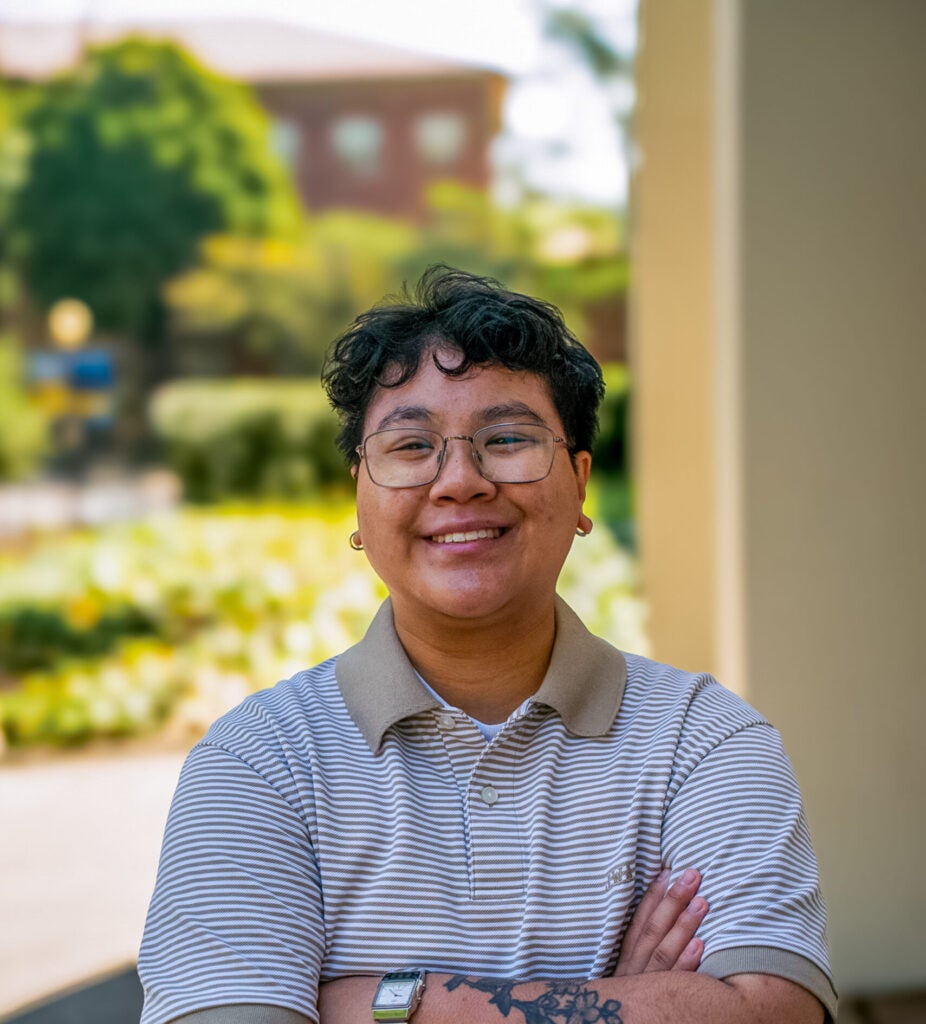
Oliver Salinas Mangulabnan
See Bio
Oliver Salinas Mangulabnan is an artist from the west side of Chicago, Illinois. Growing up in a musical household, he has always been surrounded by the arts. After studying classical percussion at the Chicago High School for the Arts, he decided to pursue music at UCLA. During his time in Los Angeles, he unexpectedly fell in love with punk culture. Expected to graduate with a B.A. in musicology, he is a dedicated musician, student, and punk.
“The ‘Queerification’ of Midwest Emo and Other Sub-Genres of Punk”
This project examines the relationship between queer identities and punk subgenres. It highlights how punk’s focus on marginality, resistance, and nonconformity has historically fostered spaces for queer expression. Due to punk’s inherent ties to queer identities, its subgenres have been shaped by and attractive to queer communities over the course of time. Which early punk scenes and music mainly were centered on white, cisgender male perspectives, later movements such as riot grrrl and queercore broadened the genre’s political scope, and included feminist and LGBTQ+ issues. Building on this foundation, the author introduces the concept of “queerification” to describe how marginalized listeners and audiences influence the evolution of different punk subgenres. Using Midwest Emo as the main case study, the author argues that although the genre currently lacks queer representation, it has the structural and cultural potential for a transformation similar to that of the subgenres mentioned above. Through musical analysis and autoethnography, the author explores how queer listeners engage and reinterpret Midwest Emo even when songs and artists aren’t necessarily queer-representing.
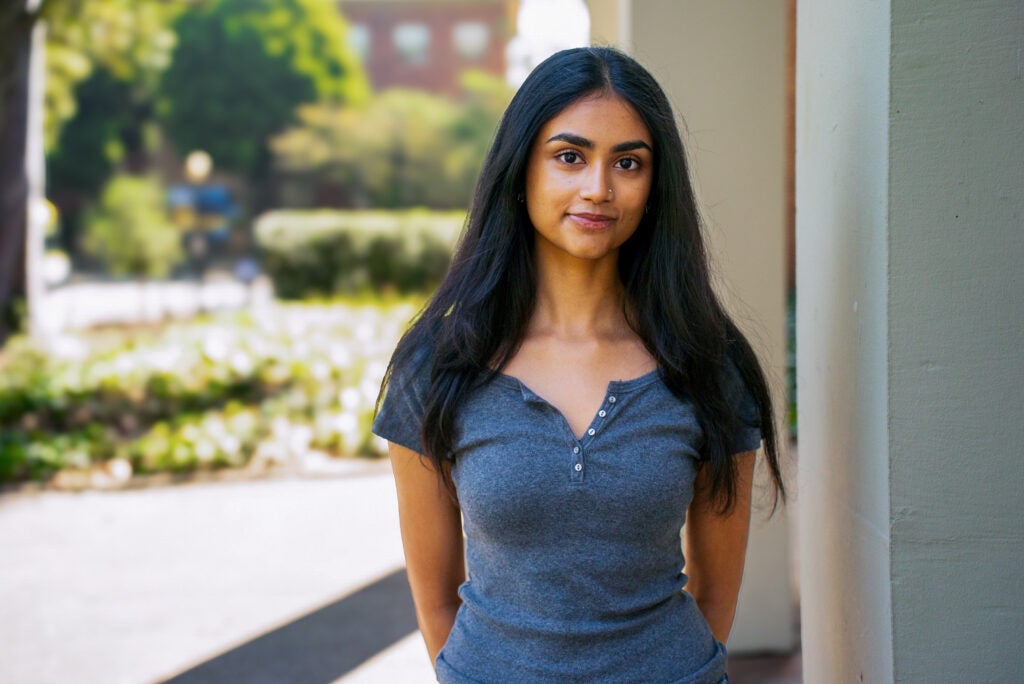
Krupa Francis
See Bio
Krupa Francis grew up in Orange County, California. She will graduate with a major in Musicology and is interested in exploring the relationships between communities and their musical heritage, with a special focus on the Southeast Los Angeles region. Francis is currently working alongside UCLA’s undergraduate research center as a UCLA/Keck Humanistic Inquiry Scholar. After graduation, she will continue her research with UCLA on accessibility and tangible heritage through a Master’s degree in Library and Information Science
“Musical Sanctuaries: The Role of Record Shops in the Gateway Cities”
Recent vinyl record scholarship emphasizes spikes in vinyl records’ popularity over the past few decades, and themes of authenticity and tangibility often lie at the center of these dialogues. While opinions regarding the tactility of vinyl records as opposed to the virtuality of digital media vary greatly, an emphasis on understanding the vinyl record as something beyond a listening medium unifies scholarship. In a similar vein, the concept of striving for authenticity on account of nostalgia appears frequently in recent vinyl record discourse. If vinyl’s renewed popularity reflects a broader desire for authenticity in an increasingly digitized world, it is imperative to look beyond vinyl records as objects and to examine the structures that contain their cultural meaning, namely record shops. In engaging with existing literature and conducting ethnographic research in Southeast Los Angeles, or the Gateway Cities, I have narrowed a focus onto three characteristic pillars that uphold how record shops sustain and disseminate the “authenticity” of vinyl records, and thus serve important functions in their communities. The pillars discussed in this paper are: social, archival, and experiential. In analyzing these pillars I aim to convey the importance of situating “informal” repositories of information into these ideas as they relate to community engagement, aesthetics, and archiving, the latter two often being reserved for elite institutions.
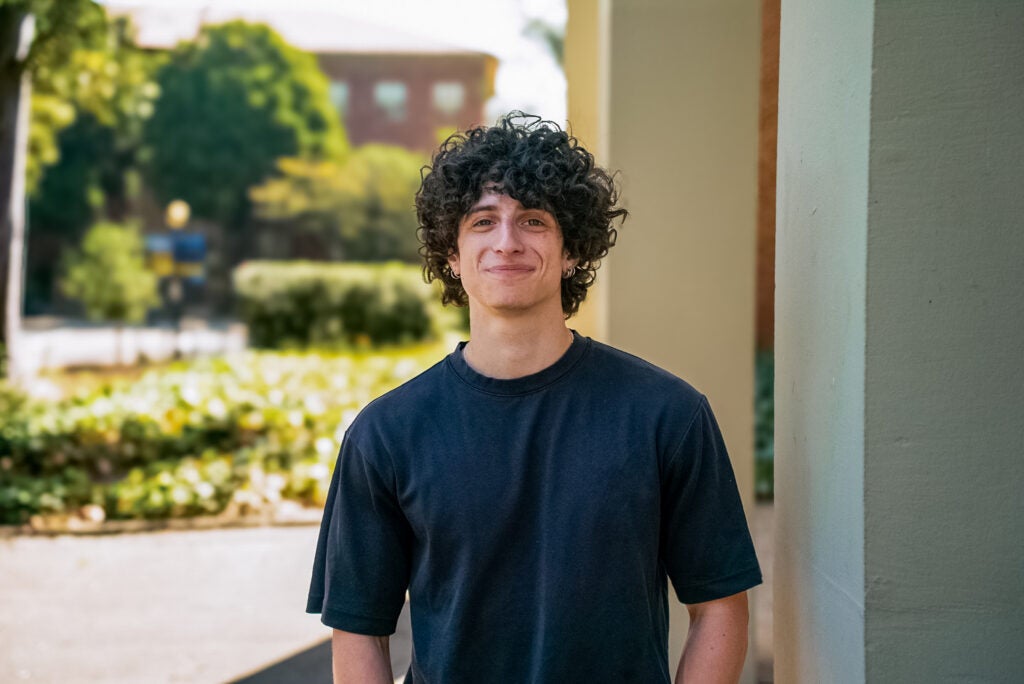
Paix Auslander
See Bio
Paix Auslander was born and raised in Woodstock, New York, and moved to Los Angeles during high school. He will be graduating in the spring with a BA in Musicology and has focused on questions of genre and how music interacts with political movements. Throughout his time at UCLA, he has been attracted to folk traditions and how they interact with meaning-mapping and methods of confronting power hierarchies. Paix is an active instrumentalist and plans to pursue session work and touring after graduation, as well as hopefully make rent.
“Country, Jazz, and Charlie Haden: Artifacts of American Genre”
This presentation explores genres, specifically Country and Jazz, understanding them as products of American culture. I examine how both genres emerged, were refined, and separated, and look closely at key examples of how they overlap in their shaping, purpose, and applications philosophically and phenomenologically. The case study is artist Charlie Haden: His work, upbringing, and ideas are used to show the unification and overlap of these genres as they developed through the 20th century. Additionally, I contrast Haden’s work with that of other key figures to uncover the development and impacts of both genres as they apply to the American political stage. Using a single figure to examine genre is not an unexplored method in musicological scholarship. Gene Santoro has used Woody Guthrie and Louis Armstrong to contrast Jazz and Folk, and others like Eric Drott, John Clark, and DeLila Black have explored genre in contemporary settings as reflections of culture, politics, and changing technologies. This presentation seeks to identify specific philosophical underpinnings between these key American genres uniquely, to understand not only why they developed independently, but also how their shared roots lead to a contemporary unification of aural tradition and subsurface ideology. This is done by analyzing traditions, music, and the words of key artists to connect how music has been formed, separated, and reconnected through the 20th century in America.
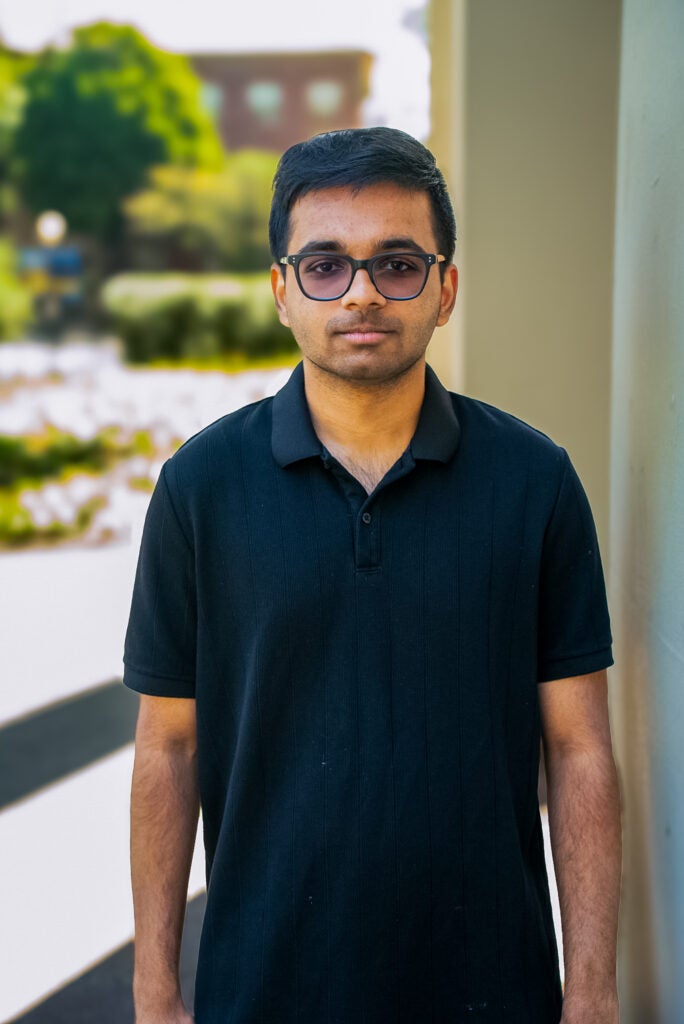
Pavan Radhakrishnan
See Bio
Pavan Radhakrishnan was born in Denville, New Jersey, and grew up in Mumbai, India, before coming to UCLA. He will graduate with a double major in Musicology and History, and a minor in Russian Language. In 2025, he spent four months studying and researching abroad in the Republic of Moldova. He is interested in the relationship between Romanian/Moldovan folklore and regional nationality politics. His capstone project won the UCLA Library Prize for Undergraduate Research in the category of “Best project using resources from an international collection.” He is also a Keck Fellow at UCLA, working on a project on Soviet Moldovan urban history.
“Nicolae Sulac and Orchestra Lăutarii: A National Turn in Soviet Moldovan Folk Music”
Orchestra națională de muzica populară “Lăutarii” (the national muzica populară orchestra Lăutarii) has become a symbol of national identity in the Republic of Moldova, a tiny, landlocked post-Soviet republic in Eastern Europe. Founded under superstar singer Nicolae Sulac in 1970, Lăutarii is an orchestral variant of muzica populară, an officially mediated genre of folk music developed in Romanian-speaking territories after the Second World War. Archival documents from the Moldovan State Philharmonic reveal examples of the orchestra’s interactions with Soviet authorities in the 1970s, which included an emphasis on peripheral interethnic musical exchange, Russian language communication, ethnic and geographic identity distortion, Communist Party political messaging, Union-wide tours, and economic and organizational uncertainty. Acknowledging the “authoritarian” influence of the soloist on the orchestra’s artistic activity characteristic of the genre, this paper argues that Nicolae Sulac’s innovations successfully distinguished Orchestra Lăutarii from its counterparts as a symbol of nationalist, anticolonial resistance ahead of its time. His innovations include the ethnographic collection and subsequent repertorial curation of an increased degree of territorially “authentic” ethnic Moldovan music, as well as a deliberately misleading naming choice for the orchestra and well-timed public tributes to the regime’s leaders. Unfortunately, Sulac’s contributions are insufficiently explored in newer regional scholarship. A limited but growing number of folk musicologists focus on the organological homogenization the genre underwent during the Soviet period. Another strand of ethnographers, including proponents of the miscarea folclorică (folkloric movement), wholeheartedly rejects the genre for its “academic” distortions.
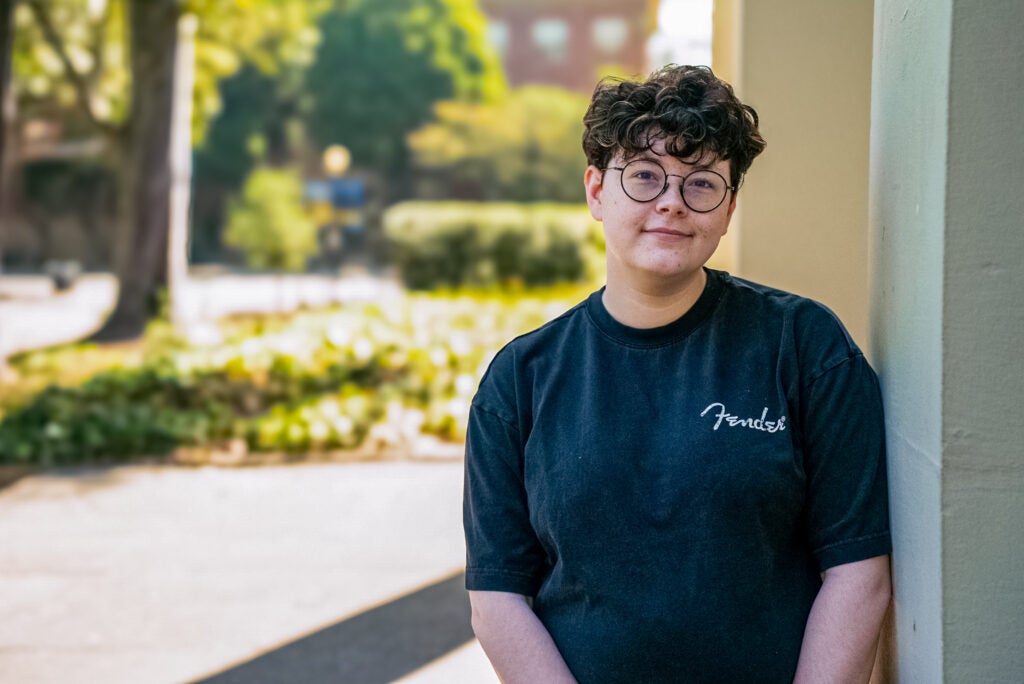
Milo Dillon
See Bio
Milo Dillon (they/he) was born and raised near Chicago, Illinois. They plan to graduate with a Musicology major and Music Industry minor, and have spent their time at UCLA learning Chinese Kunqu Opera. Milo is deeply involved in internet music communities and how they bring people together. They dedicate their capstone presentation to their late childhood dog, Reagan.
“Apolitical Music as Political Tool: Political Issues in Eurovision”
In the aftermath of World War II, radio and TV broadcasters from countries all over Europe were wondering how they could do their part to rebuild peaceful international relations. These broadcasters, collectively referred to as the European Broadcasting Union (EBU), created the Eurovision Song Contest (ESC) in 1956 as a friendly, apolitical music competition with the goal of improving international relations. Despite the EBU’s insistence on political neutrality, often manifesting as contest rules and competition bans, the ESC’s agenda – to grow their idea of a unified Europe – is inherently political. At the same time, the ESC is also used as a political tool by participating countries to build and modify their national images. The nature of discourse about Eurovision also changes as political tensions change. In this presentation I analyze two moments in the ESC’s history through historiography, social events, and their aftermath to demonstrate the symbiotic relationship between politics and the competition.

Angie Lee
See Bio
Angie Lee grew up in Orange County, California. She will graduate with a BA in Musicology and a minor in Visual and Performing Arts Education (VAPAE). She is interested in the intersection of psychology, spirituality, adolescent development, and contemplative practices. Angie serves as the Editor-in-Chief of MUSE Journal, Musicology Student Ambassador, and VAPAE Representative on the UCLA Arts Dean’s Student Council. After graduation, she will pursue an MA in Clinical Psychology at Teachers College, Columbia University.
“Sounding Spirituality: A Proposal for Sound Healing as a Clinical Intervention for Adolescent
Survivors of Verbal Abuse”
Adolescence represents an incredibly complex period of human development that is marked by rapid neurobiological and personal change. Uniquely positioned between childhood and adulthood, adolescents search intensely for a sense of personal identity. This is more than just a search, however; it reflects a ubiquitous, biologically programmed hunger to know the self and establish a connection to a transcendent force—the core of what is understood as spirituality.
When properly cultivated, spirituality encourages a sense of connectedness, meaning, purpose, and contribution. When disrupted, adolescents become significantly more susceptible to depression, anxiety, and other mental disorders. While genetic predispositions and psychosocial factors have been widely discussed as contributors to depression and anxiety, verbal abuse remains an overlooked yet pervasive risk factor that directly impacts two fundamental aspects of spiritual development: parent-child relationships and the formation of identity and personal expression. Although adolescent psychotherapy is widely utilized, its focus on disease and treatment may unintentionally reinforce stigma among participants. This limitation highlights a need for approaches that prioritize positive functioning and support long-term well-being. Sound healing offers such an approach. Unlike music therapy, sound healing employs acoustic vibrations, eliminating the pressures of musical literacy and structured performance. Using a positive psychology and spirituality framework, this study examines how group participation in singing bowl and vocal sound healing sessions can help adolescents cultivate positive emotional states and well-being, foster a strong sense of spiritual identity, and reclaim an inner voice silenced by verbal abuse.
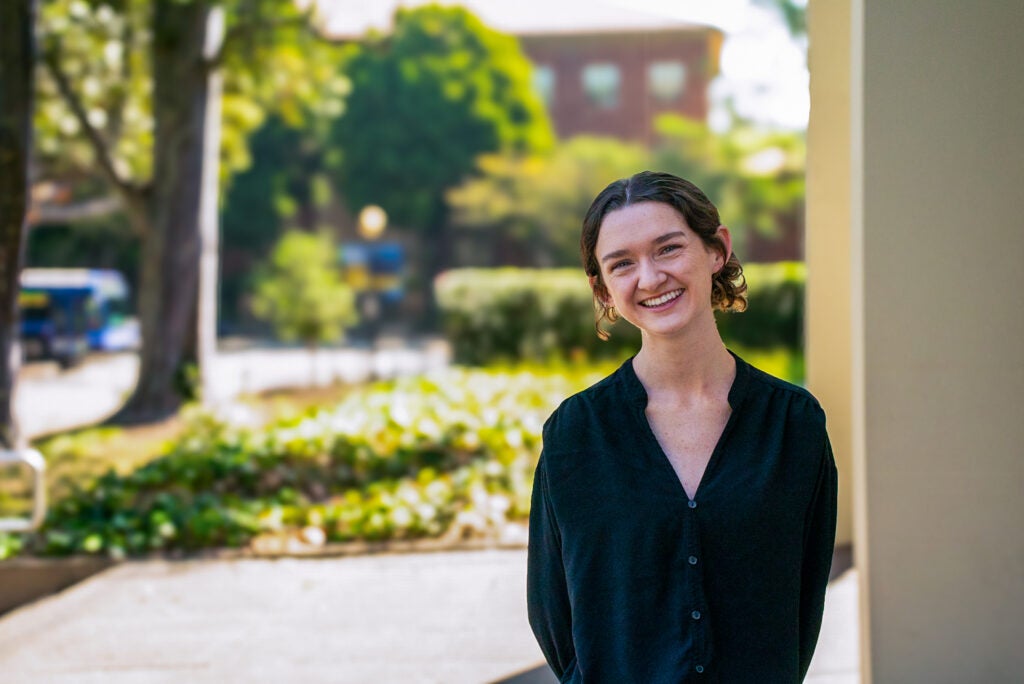
Lauren Krynen
See Bio
Lauren Krynen grew up in Los Angeles, California. She will graduate with a major in Musicology and a minor in Music Industry. She is an intern for a music preparation services company, where she digitally archives film scores, and she is the director of her church’s children’s ministry, where she has recently developed and begun teaching a youth music education program. Lauren is passionate about empowering women and youth in religious spaces, and hopes her capstone and directorial work can do exactly that.
“Women and Worship: An Analysis of CCLI’s 2017-2025 Weekly Top 10 Charts Through the Lens
of Gender”
Despite comprising the majority of the United States’ Protestant church, women have been significantly underrepresented in Contemporary Worship Music (CWM) songwriting since the genre’s genesis in the 1970s. Christian Copyright Licensing International’s Weekly Top 100 song charts provide a useful metric for exploring this underrepresentation, presenting the songs they licensed the most to be sung on any given Sunday. Following the phenomenon of female underrepresentation in the most licensed CWM songs, this paper seeks, first, to extend the scope of existing literature on women on the CCLI charts into the present day, filling in a gap of now-dated scholarship, and, second, to situate CCLI’s Top Songs within ongoing theological and sociological discourse regarding the influence that worship lyrics can have upon congregants’ personal operant theology. Through rhetorical analysis of CCLI’s Top Songs, and in the context of literature regarding the development and impacts of religious beliefs, I will argue that the limited diversity of CWM songwriters, exemplified by women’s near-absence in the CCLI charts, may in turn limit the diversity of perspectives presented in CWM’s espoused theology. Additionally, the limited diversity of songwriters may be enabling an oversight of consideration of potential negative interpretations of worship lyrics, which could ostracize vulnerable members of the Church.

Joy Calico
See Bio
Joy H. Calico joined the UCLA Herb Alpert School of Music in August 2023 as Professor of Musicology and Director of Graduate Studies in the Musicology Department. A scholar of Cold War cultural politics and contemporary opera, she has published two monographs with the University of California Press (Brecht at the Opera and Arnold Schoenberg’s A Survivor from Warsaw in Postwar Europe) and has a third under contract there, which is a theory of scene type for analyzing opera since Salome. She is currently co-editor, with Justin Vickers, of a volume on Childhood and the Operatic Imaginary since 1900 for OUP. In recent years she has published on operas by Kaija Saariaho, Olga Neuwirth, and Helmut Lachenmann, and work on Chaya Czernowin is forthcoming. Calico is former Editor-in-Chief of the Journal of the American Musicological Society, and a current member of the international working team of the Black Opera Research Network. Her work has been supported by grants and fellowships from the ACLS, the American Academy in Berlin, the Howard Foundation, the NEH, the Paul Sacher Stiftung, and the Radcliffe Institute for Advanced Study, among others.
Program
9:00 WELCOME – Dean Beckerman
9:10–10:30 DIGITAL SOUND AND MUSIC – chaired by Emmie Head
“Online Music Communities: An Examination of the Covid-Era SoundCloud Underground”
Maxwell Gailey
“Score and Psychology in Contemporary Interactive Media”
Darien Castillo
“Aleatorically-Induced Nostalgia in the Virtual Worlds of Video Game Music”
Chet Breister
“‘Didn’t Buy the Beat’: Ownership, Labor, and the Meme-ified Producer Tag”
Tad Valente
10:30 BREAK
10:50–12:10 MUSIC AND COMMUNITIES – chaired by Natalie Hedberg
“Resilience and Unity: Immigrant Experience Through the Corridos of Los Tigres Del Norte”
Marisol Ugalde Velazquez
“The ‘Queerification’ of Midwest Emo and Other Sub-Genres of Punk”
Oliver Mangulabnan
“From Sound to Movement: Embodiment and Musical Meaning in Urban Counterculture”
Teodoro Gnass
“Musical Sanctuaries: The Role of Record Shops in the Gateway Cities”
Krupa Francis
12:10 LUNCH
13:00–14:00 MUSIC AND POLITICS – chaired by Kate Hamori
“Country, Jazz, and Charlie Haden: Artifacts of American Genre”
Paix Auslander
“Apolitical Music as Political Tools: Political Issues in Eurovision”
Milo Dillon
“Nicolae Sulac and Orchestra Lăutarii: A National Turn in Soviet Moldovan Folk Music”
Pavan Radhakrishnan
14:00–14:45 MUSIC IN SPIRITUALITY AND RELIGION – chaired by Morgan Bates
“Sounding Spirituality: A Proposal for Sound Healing as a Clinical Intervention for
Adolescent Survivors of Verbal Abuse”
Angie Lee
“Women and Worship: An Analysis of CCLI’s 2017-2025 Weekly Top 10 Charts Through the
Lens of Gender”
Lauren Krynen
Closing remarks – Professor Calico
