
Heaven’s Garden – Դրախտի Պարտէզ
A Song Cycle by Naveed Perkins
Wednesday, April 15, 2026
7:00 p.m.
Schoenberg Hall
Performers
Naveed Perkins
See Bio
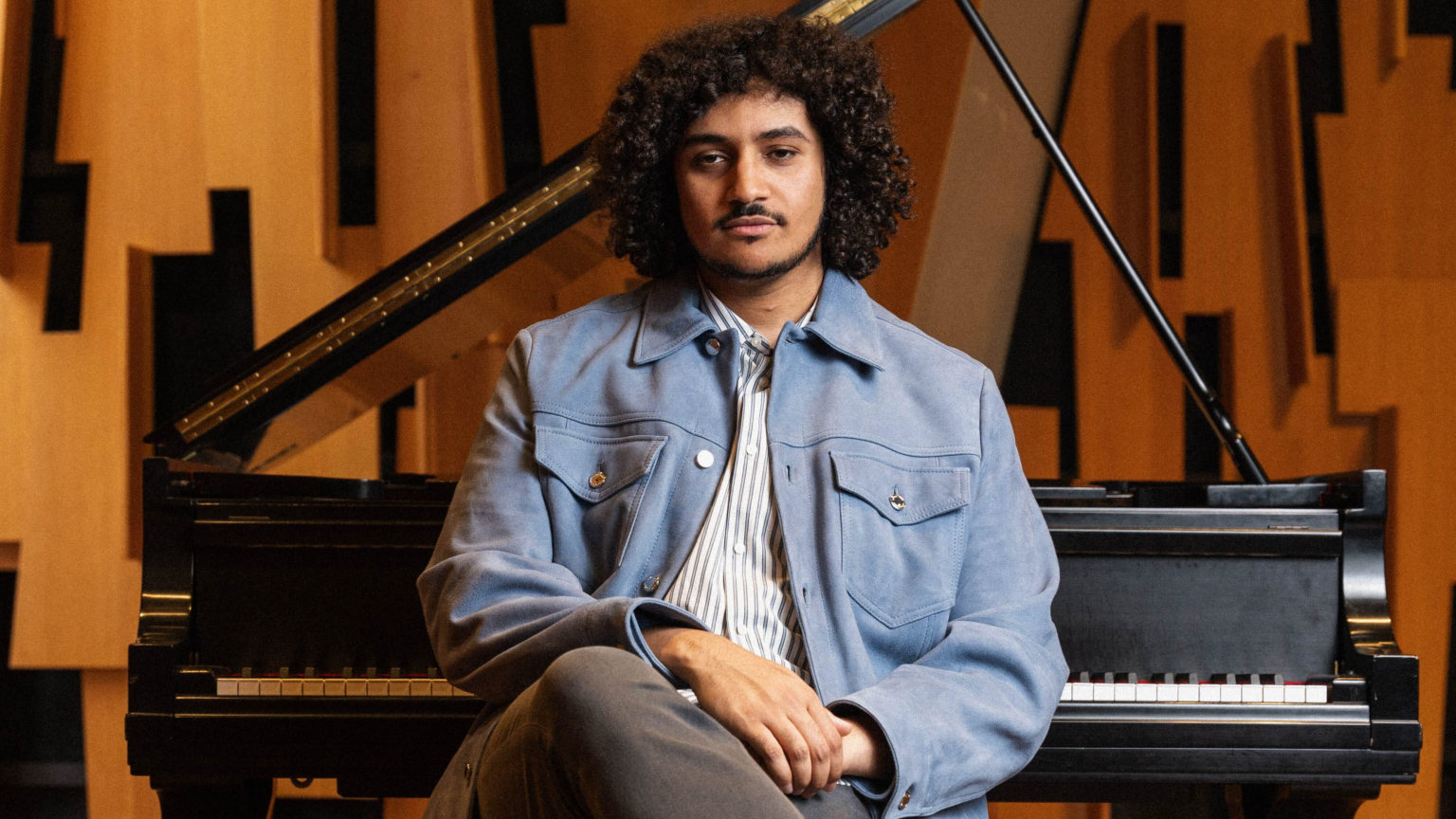
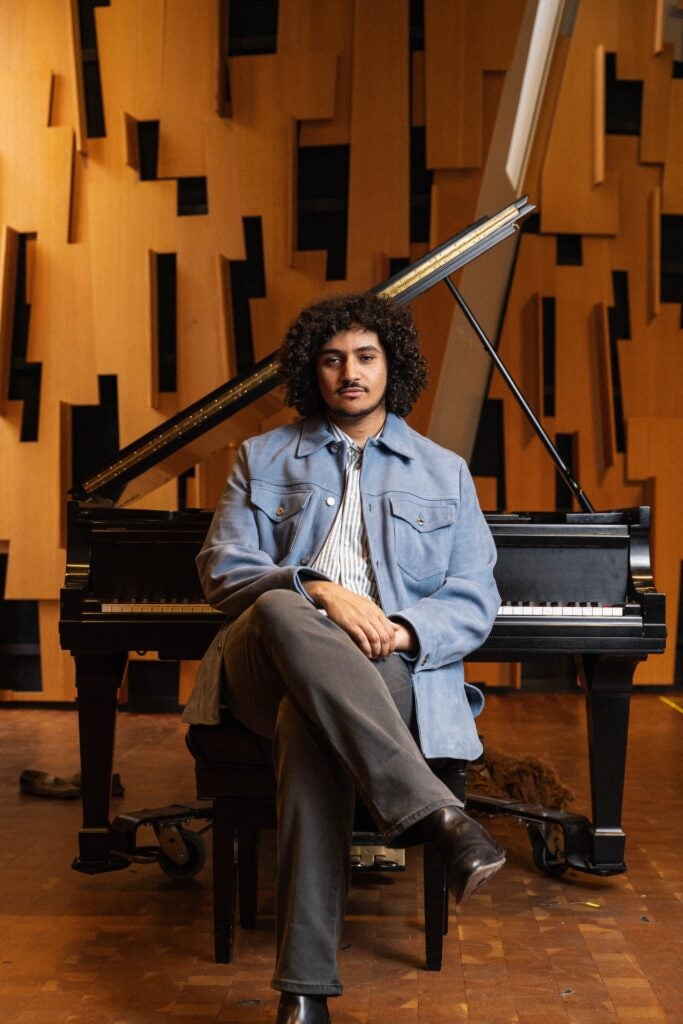
Naveed Perkins is a young, self-taught pianist and composer. He was born and grew up in San Diego, California where he’d attended school his entire life. Since he was young, he’d always had an ear for music. When he explored music on his own, he developed a much deeper appreciation and intuition that can be seen, heard, and felt in his own compositions. Over his high school career, he attended both Indiana University Piano Academy for Piano Performance and the Curtis Institute of Music Young Artist Summer Program for Composition. He began studying with Professor Victor Labenske at Point Loma Nazarene University during his junior year of high school where he began to refine his skills and compose more intuitive music. He is currently studying with Richard Danielpour and Ian Krouse at The UCLA Herb Alpert School of Music where he continues to refine his skills by finding new ways to convey the beauty of music through his own works.
Naveed is not only an avid composer, but poet as well. He has written a book of short poems titled “Letters To My Unconscious Mind,” as well as the libretto for his upcoming oratorio. As a composer of mixed descent, he continues to find new avenues to express his rich heritage. For the past two years, he has been the assistant conductor of the Iranshahr Orchestra, an Iranian Orchestra under the direction of Dr. Shahab Paranj. These opportunities, paired with his pursuit of cultural integration through his music has led him to meld personal poetry with compelling narratives that tell stories about fundamental aspects of our lives.
As a first-year graduate student at UCLA, his future prospects all deal with a greater integration of narratives within his community of colleagues, faculty, and those in the greater LA area and beyond. His most recent project, ‘Heaven’s Garden’, is a song cycle in both Armenian and English to be performed on April 15th, 2026 with the Iranshahr Orchestra at UCLA. Upcoming performances of his work include poems of Hafiz put to music with the UCLA Chamber Singers, and another choral work slated for performance in Carnegie Hall December 2027. He deeply looks forward to further storytelling through his music, art, and poetry, and he cannot wait to share the wonders of music with those around him.
Sofia Dell’Agostino
See Bio
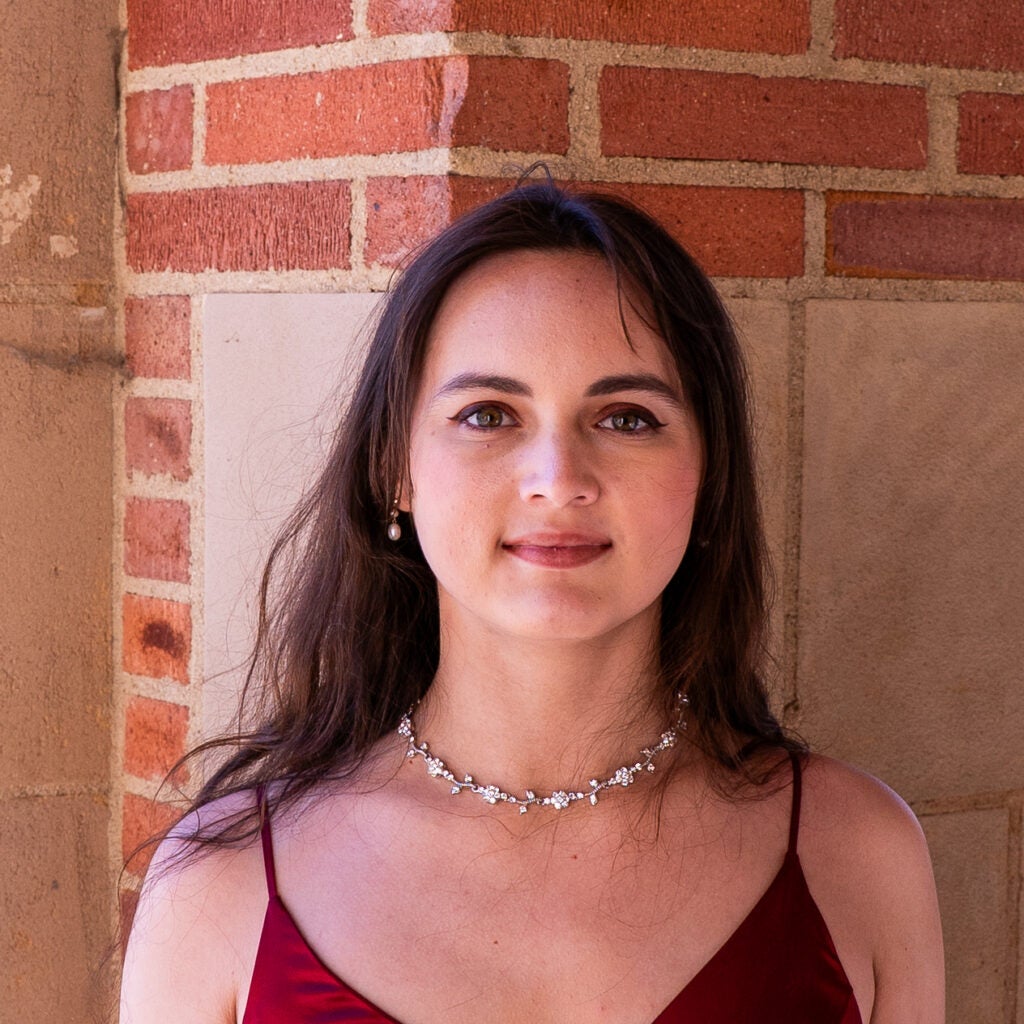
Sofia Dell’Agostino is a second-year undergraduate at the UCLA Herb Alpert School of Music, double-majoring in voice performance and music composition. She studies voice with Vladimir Chernov and has studied composition with Ian Krouse, Richard Danielpour, and Naveed Perkins.
At UCLA, Sofia has performed in opera and scenes productions conducted by Rakefet Hak and Neal Stulberg and directed by Peter Kazaras and James Darrah, including music by Henry Purcell, Richard Danielpour, and Kurt Weill. Sofia sang the role of Miles in Opera UCLA’s production of Benjamin Britten’s The Turn of the Screw and also premiered the role of Young Wolfgang in the new pop opera Nannerl by Mia Ruhman. Her piano suite premiered at the 2025 UCLA Composers Spring Concert. Recently, she performed with orchestra in the 20th Annual All Star Concert (2026). She also performed as a finalist of the Opera Buffs Artists of the Future competition (2026). In addition to the premiere of the English and Armenian song cycle titled Heaven’s Garden by Naveed Perkins (2026), Sofia will soon premiere an original voice and piano piece on the 2026 UCLA Undergraduate Composers Spring Concert.
A native of San Francisco, Sofia attended the Ruth Asawa School of the Arts, studying vocal music with Michael Desnoyers (2019-2023) and serving as Student Conductor during her senior year. She attended the High School Composition Intensive and Vocal/Choral Intensive (Boston Conservatory at Berklee) and the International Vocal Artists Academy (Payerbach, Austria), and has been a member of the San Francisco Opera Scouts and UCLA Chamber Singers. At Inspire Music, a private music studio in the Bay Area, she studied voice with Victor Cervantes and Sergio Gonzalez, and piano with Jeffrey Huspek.
Leland Alexander
See Bio
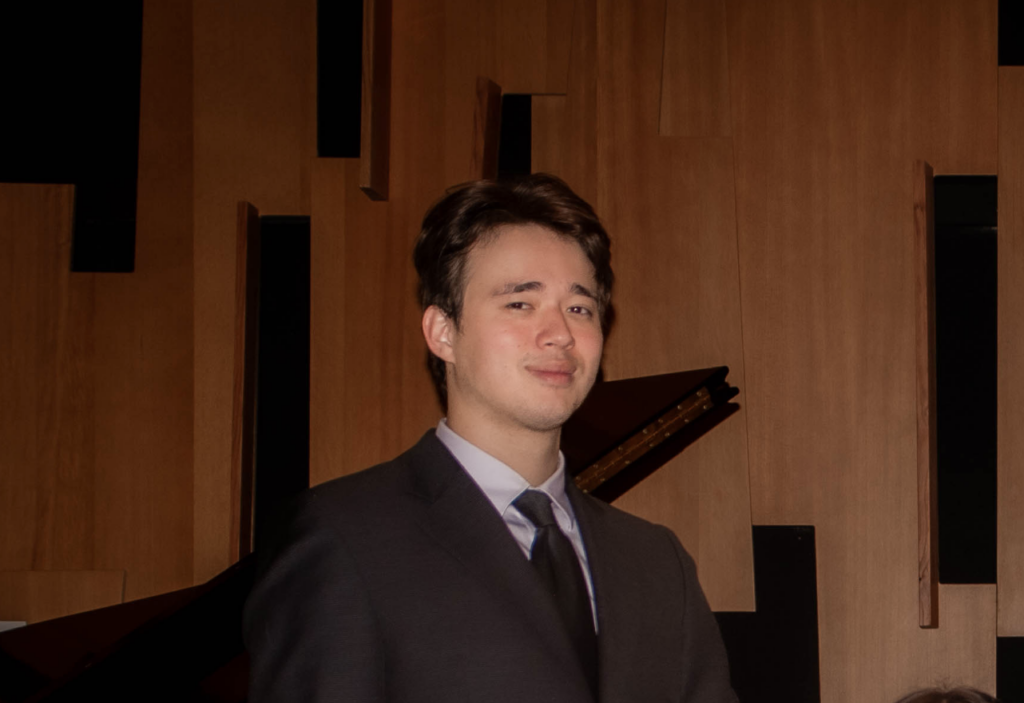
Leland Alexander is a baritone currently studying voice at The UCLA Herb Alpert School of Music under the guidance of Juliana Gondek. He began his formal vocal training at the San Francisco Conservatory of Music and has received numerous distinctions, including First Prize in the CS Music Vocal Competition, Second Prize in the Hal Leonard Vocal Competition, and recognition as a two-time YoungArts winner in Classical Voice. Leland has appeared in operatic performances both domestically and internationally, portraying roles such as Don Giovanni (Don Giovanni), Aeneas (Dido and Aeneas), the Count Almaviva (Le nozze di Figaro), Fernando (Rodrigo), and Musiklehrer (Ariadne auf Naxos). His concert repertoire includes solo appearances in Mahler’s Lieder eines fahrenden Gesellen, Fauré’s Requiem in D minor, and Puccini’s Messa di Gloria. He originated the role of General Laturb in the fully staged world premiere of Richard Danielpour’s opera The Grand Hotel Tartarus and is scheduled to perform the role of Oreste in Gluck’s Iphigénie en Tauride in the spring. Leland has been mentored by distinguished artists including Sherrill Milnes, Vladimir Chernov, Dolora Zajick, Lucas Meachem, and Nicole Cabell.

Shahab Paranj
See Bio
Shahab Paranj is an Iranian composer, instrumentalist, and educator. He is considered a generational pioneer, with a bold compositional style that integrates Persian and Western composition techniques. Paranj holds degrees in music composition from the San Francisco Conservatory of Music (BM), the Manhattan School of Music (MM), and the University of California, Los Angeles (Ph.D.).
Paranj’s recent commissions include works for ensembles including the Russian String Orchestra, Intersection Contemporary Music Ensemble, Long Beach Opera, Aleron Trio, San Francisco New Music Ensemble and Sopraduo. Paranj is also the founder and artistic director of “du vert à l’infini” a contemporary music festival in the Franche Comte region in France. He is also the founder and director of The Iranshahr Orchestra. His original score for the movie “Dressage,” was the winner of the 2018 feature film in the Berlin Film Festival.
Known as a tombak virtuoso, Paranj has performed, recorded, and collaborated with numerous highly respected musicians worldwide. He was a member of the Iran National TV & Radio Symphony Orchestra as a cellist for eight years, and for fourteen years as served as a percussionist for the Shams Ensemble.
Paranj’s research on the complex rhythm of Persian Āvāzi style music was selected to be presented at AMS-SEM-SMT 2023 joint annual meeting in New Orleans, and he has received formal recognition from the Mehr Humanitarian Society (2010) and The City and County of San Francisco (2011) for his contribution to introducing Persian music to the world.
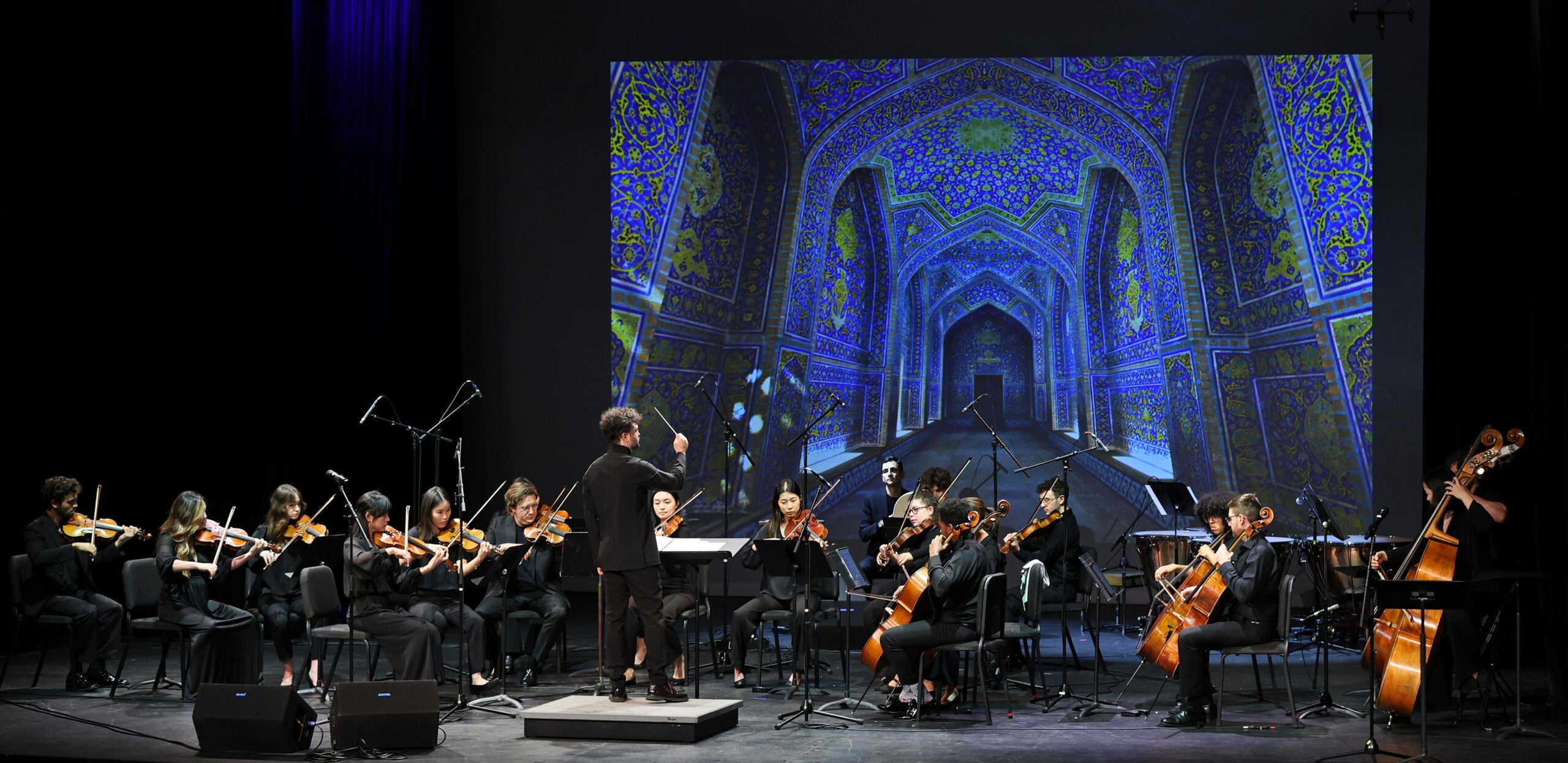
Iranshahr Orchestra
See Roster
First violin:
Sheng-Ching Hsu
Andrew Kwon
Boryana Popova
Ally Cho
Haesol Lee
Second violin:
Shelly Ren
Hui-Ping Lee
Enosh Kofler
Makiba Kurita
Viola:
Ben Bartelt
Jing Peng
Ariana Solotoff
Yutaka Suzuki
Cello
Yun Han
Zack Reaves
Jaewon Ahn
Isaac Fromme
Bass
Chien-Chien Lee
Nick Leonard
Harp:
Alaina Stark
Repertoire
Heaven’s Garden – Դրախտի Պարտէզ
Heaven’s Garden exists through the persistence of memory, my memory, and both my lived and yet lived experiences. Started on November 21st 2023, Heaven’s Garden was born from an unrelenting knowing, a sense of impossible empathy, and something deeply engrained within myself as part of my artistic expression. This work presents as one long moment of honesty, a flower pot continually watered day after day, which has remained unobstructed by life and its impermanence, yet entirely moved and transformed by those very things.
Inspired and compelled following events of the Armenian Genocide, the narrative of Heaven’s Garden draws on a deeply personal message of tragedy and hope, of what a child must have experienced to be alone in the dead of night, as our lives and memories begin in childhood, and continue to shape us so long as we live.
Our story begins with a child who is walking through the darkness in the dead of night, alone and crying, when he stumbles upon a campfire. At the campfire is an elder who himself is sitting alone, and who takes note of the silently crying child. He beckons the child to sit down, and begins to console him, for only he knows what must have happened to bring him there. As he speaks with the child, he lulls him to sleep where the child dreams of a garden, Heaven’s Garden, which tells the story of those who were taken and never returned.
Program Notes
English Text (by Naveed Perkins)
I. The Bird
Take a seat, Child,
you are far from home.
I see your tears,
I’ve cried them before,
and I’ve cried many more.
I’ve seen what you’ve seen,
and dreamt all your dreams.
Yet the world never became
more heavenly than what
lives in my memory.
Cry, for this is not
the first nor the last
time you will feel this,
while you may wish to
have never felt at all.
Lay down, child, and dream.
Close your eyes and go there,
to the garden, where the
Children of Nature would roam.
II. The Garden
Oh sweet, sweet Child,
what you must have seen.
What have you seen?
Roses picked from Heaven’s Garden,
the birds never returned.
The garden, to ruin.
The blessed soil stained with
the tears of the gardeners,
for those before them
left visions of paradise.
Oh sweet, sweet child,
what you must have seen.
III. Invisible Anguish
Stay at rest with eyes closed, Child.
Remember home, remember the warmth
your loved ones brought you,
let this fire return us there.
A burning heat so bright and hot
ignited our being like ash to embers.
And yet, it scared us; a burn to our soul
no medicine man could reach.
You’ve found me at this campfire,
yet I sense you are not looking for purpose,
but consolation.
Grief in pain,
Anguish in search of impossible comfort,
for I know all blinding horrors,
and they are unforgiving.
IV. Comfortable Memories
Your birthday, our birthday,
one and the same,
only just recently passed.
You were not showered with toys,
but with love in the form of a thousand kisses.
You could smell the fresh grass
and the endless forests.
And yet, the reality of the world
need not concern you.
Hold on to this bliss, even in struggle,
for it will carry you until the end of your days.
And every time you reach the edge of the world,
you will find paradise, and know you were always
one deep breath away from
standing in the garden once more.
V. Remembrance
Sit up, Child,
and open your eyes,
day breaks.
The lonely night recedes
into one of many beautiful mornings.
Give me a hug, Child.
Let me impart a comfort
to last you years.
Let tears turn to rivers,
not in sorrow, but in joy,
for we alone have seen
better days ahead.
Remember always.
Armenian Text
1. Հաւուն, հաւուն
Գրիգոր Նարեկացի, c. 950 – 1003/1011
Տաղ Յարութեան
Հաւուն հաւուն արթնացեալ,
Դիտելով զհեթանոսս՝
Ձայնէր, ձայնէր տատրակին՝
Սիրասնունդ սիրելւոյն։
1. The Bird
Gregory of Narek, c. 950 – 1003/1011
Hymn of Resurrection
The bird woke up and
watched the pagans.
Called the bird,
Its beloved.
_____________________________________
2. Սալընջախ եմ ձգեր
Մարիամ Մինասեան (Պարտիզակ) – Միհրան Թումաճան
Սալընջախ եմ ձգեր սալորին ծառը,
Կու լար ու ժուռ կու գար գառանըս մարը,
Է՜յ, եավրում, Է՜յ…
Օրանդ օսկով պիտեր, կամարդ՝ արծաթով,
Օրոսկապըդ պիտեր սըրմա թելերով,
Է՜յ, եավրում, Է՜յ…
2. I Hung Up A Cradle
Source Person: Mariam Minasyan (Lullaby from Bardizag) Collected by Mihran Toumajan
I tied a swing to the plum tree,
My lamb’s mother was wondering around and crying,
Rock my baby, rock…
Your cradle is gold, its arch is of silver,
Your cradle’s fastener is of gold threads,
Rock my baby, rock…
_____________________________________
3. Առաւօտ լուսոյ
Սուրբ Ներսէս Դ. Կլայեցի, c. 1102 – 1173
XII դ.
Առաւօտ լուսոյ,
Արեգակն արդար,
Առ իս լոյս ծագեա:
Բըղխումն ի Հօրէ,
Բըղխեա ի հոգւոյս,
Բան քեզ ի հաճոյս:
Գանձդ ողորմութեան,
Գանձիդ ծածկելոյ
Գըտող զիս արա:》
3. Morning Of Light
Nerses IV. The Gracious, c. 1102 – 1173
12th Century
O morning of light,
O though righteous sun,
Shed on me they light.
O Father’s Spirit,
Pour forth from my soul
Words pleasing to thee.
Treasure of mercy,
Of thy hidden wealth
Make me a finder.》
_____________________________________
4. Ուր ես, Մայր իմ
Անանուն
տաղ , XVIII-XIX դ.
Ո՞ւր ես, մայր իմ, քաղցր եւ անոյշ
Սէր ծնողիդ զիս այրէ.
Լցան աչք իմ դառն արտասւօք,
Ոչ ոք ունիմ, որ սրբէ.
Տչոուր կհնտրետսի, կատսակհ արպի
Հանորինատս տսերանե.》
4. Mother, where are you?
Anonymous
Hymn, 18th-19th Century
Where are you my most sweet mother?
Your motherly love do I seek fervently.
My eyes are full of bitter tears,
I have nobody to wipe them off.
I asked for a drink of water,
but the wicked gave me vinegar instead.》
_____________________________________
5. Կանչէ Կռունկ
Կոմիտաս, c. 1869 – 1935
Կանչէ կռունկ, կանչէ քանի գարուն է,
Ղարիբներու սիրտը գունդ գունդ արուն է
Կռունկ եկաւ սարը, չայիր չիման է,
Աշխարհին արեգակ, ընծի տուման է
5. Sing Crane, Sing
Gomitas, c. 1869 – 1935
Sing crane, sing, now that it is Springtime
Those who are away from their home have a
bleeding heart
Crane came to the hills covered with green grass
It seems sunny to the world, but it looks all dark and smoky to me.
_____________________________________
6. Անտունի
Կոմիտաս Վարդապետ, 1869 – 1935
Սիրտս նման է էն փլած տներ,
Կոտրեր գերաններ, խախտեր է սներ,
Բուն պիտի դնեն մեջ վայրի հավքեր։
Երթամ՝ ձի թալեմ էն ելման գետեր,
Ըլնիմ ձկներու ձագերացն կեր։
Ա՜յ, տո լա՛ճ տնավեր։
Սեւ ծով մը եմ տեսել, սիպտակն էր բոլոր,
Ալին կզարներ, չէր խառնի հիրոր
Էն ո՞րն է տեսե մեկ ծովն երկու թավուր
Անտունի սիրտն է պղտոր ու մոլոր
Ա՜խ, սկի մի լնիք սրտիկ սեւավոր:
Տո լա՛ճ տնավեր:
6. The Homeless
Vardapet Gomitas, 1869 – 1935
My heart is like a house in ruins,
The beams are in splinters, the pillars shaken. Wild birds build their nest where my home once was.
Let me throw myself into the swollen river,
Let me be food for the fish.
O, what a poor child without a home.
I have seen a black sea, And all around was white,
The waves crashed but the two did not mix. Who has ever seen a sea of two colors?
The Heart of the homeless is dark and has lost its way.
O, heart don’t despair.
O you poor child without a home.
