

This event has been cancelled.
Abstract:
This paper examines the multimodal communicative ecology of transnational Oaxacan philharmonic bands: the integrated system of hand gesture, multilingual speech, and instrumental signaling that enables ensembles of 20-35 musicians to coordinate performances without a conductor. Drawing on ethnographic research since 2014 with musicians and educators across California and Oaxaca, including 2024 interviews with Jessica Hernández, Cynthia Lupita Jacinto, and Hugo Tomas, and conversations with linguist Claudia Holguín Mendoza and ethnomusicologist Leticia Soto Flores, I argue that these practices constitute the music's infrastructure, encoding Indigenous Oaxacan epistemologies of collective knowledge, reciprocity, and accompaniment across borders.
The analysis proceeds through three layers: hand gestures that replace the conductor's baton and distribute leadership across the ensemble; trilingual solfeo pedagogy in which Spanish, English, and Zapotec each perform specific pedagogical labor; and sonic cues by which clarinet and trumpet players navigate transitions. I theorize this ecology as a site of multimodal racialization, where gesture, language, and sound are read as deficiency within Western conservatory norms even as the same practices sustain Indigenous knowledge that those institutions cannot recognize. Three frames scaffold the analysis: translanguaging (García and Wei 2014), stylistic practices (Holguín Mendoza), and mnemonic devices (Soto Flores), set within comunalidad and Critical Latinx Indigeneities.
The presentation also examines how this ecology negotiates pressure from the conservatories CECAM and CIMO, produces and refuses the shame Oaxacan musicians experience in US educational institutions, and how a 2024 wind band workshop at the University of Texas at El Paso revealed the gap between the Oaxacan system and Western-trained musicianship. The communicative infrastructure, I argue, is itself the pedagogy through which diasporic comunalidad is sustained.
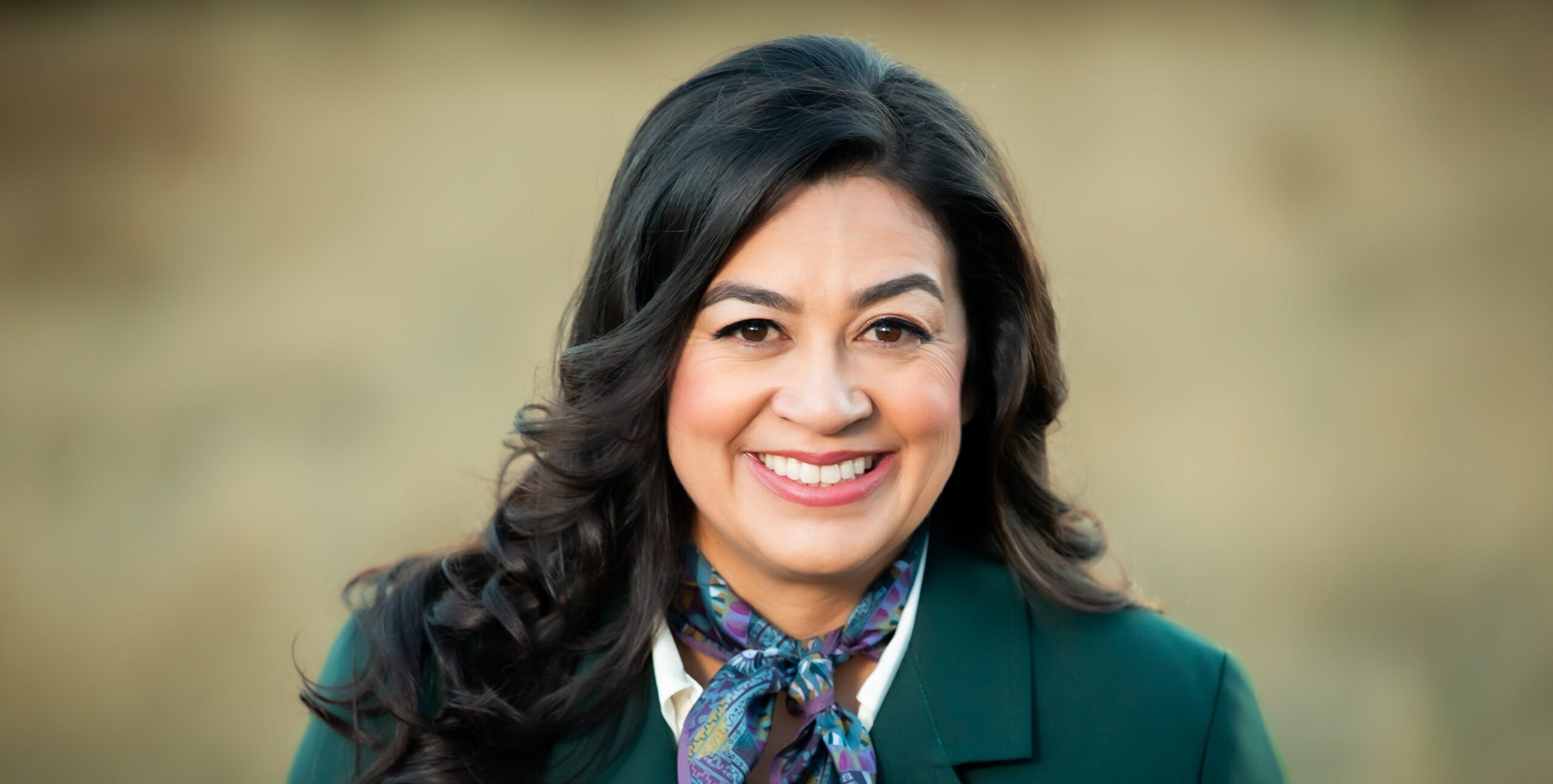
Dr. Xóchitl C. Chávez is Associate Professor of Ethnomusicology in the Department of Music at the University of California, Riverside, where she is the first tenured Chicana in any UC system music program. Her research centers on transnational Oaxacan and Indigenous communities, cultural performance, gender, and migration, grounded in long-term community-engaged fieldwork across California, North Carolina, and Oaxaca. Her first book, The Guelaguetza: Transborder Indigeneity, Music, and Festival in Greater Oaxaca, will be published by Oxford University Press in August 2026. Her current project examines the transnational dimensions and gendered experiences of women musicians, directors, and educators in Oaxacan philharmonic bands. She was also a co-principal investigator with Dr. Susan Thomas on the NEH-funded collaborative project Soundscapes of the People: A Musical Ethnography of Pueblo, Colorado, a collection of oral histories documenting the rich musical traditions and practices of her hometown. Beyond UCR, she serves as Special Researcher and Guest Curator at the Smithsonian National Museum of the American Latino, where she collaborated with many others on ¡Puro Ritmo! exhibition that opened on April 18, 2026. She also sits on the National Advisory Council for the Cheech Marin Center for Chicano Art and Culture, served as Chair of the Latin American and Caribbean Section of the Society for Ethnomusicology, and is a newly elected SEM Council Member.