

Bas-Sheve
Original Score by Henekh Kon with Libretto by Moishe Broderzon
Orchestration and Additional Compositions by Joshua Horowitz
Additional Texts by Michael Wex
Used by arrangement with Joshua Horowitz
Projections by Yeva Lapsker
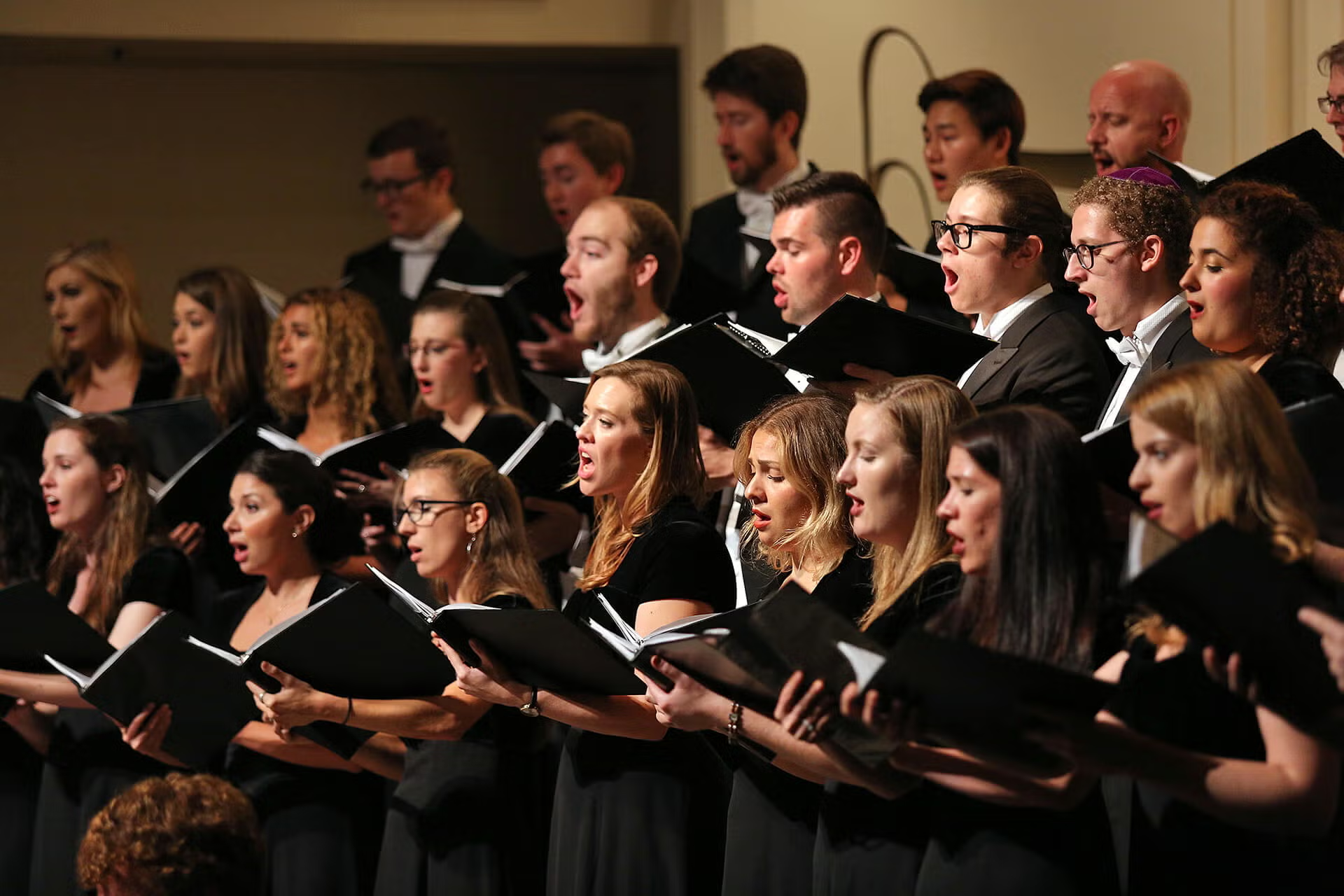
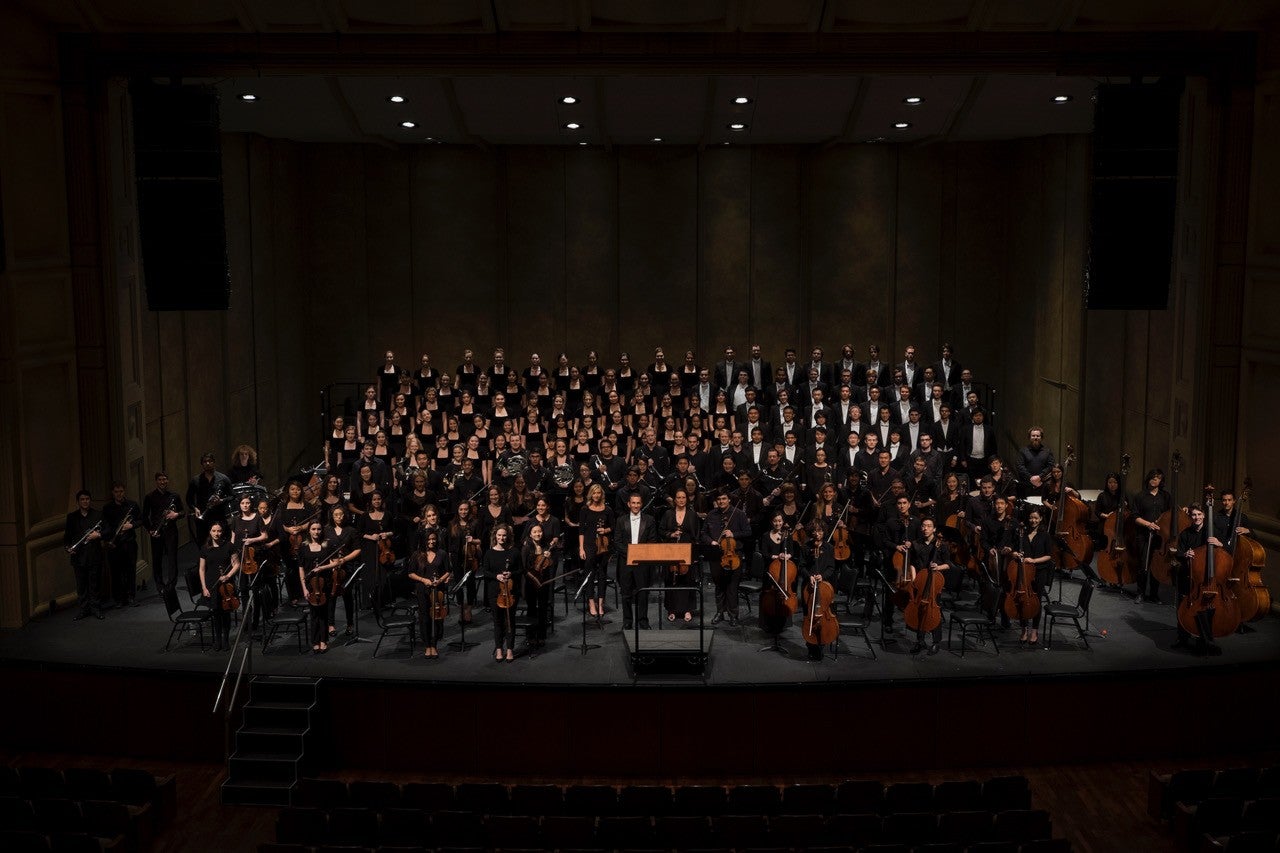
This performance is the U.S. premiere of Bas-Sheve (1924), a one-act Yiddish-language opera/melodrama by composer Henekh Kon and librettist Moishe Broderzon. Recently rediscovered, completed and orchestrated by distinguished Yiddish experts Diana Matut, Josh Horowitz, and Michael Wex, Bas-Sheve is based on the tragic biblical story of David and Bathsheba. Our concert performance features four vocal soloists, chamber chorus, and a 21-piece orchestra, with projected images accompanying the performance.
Performers
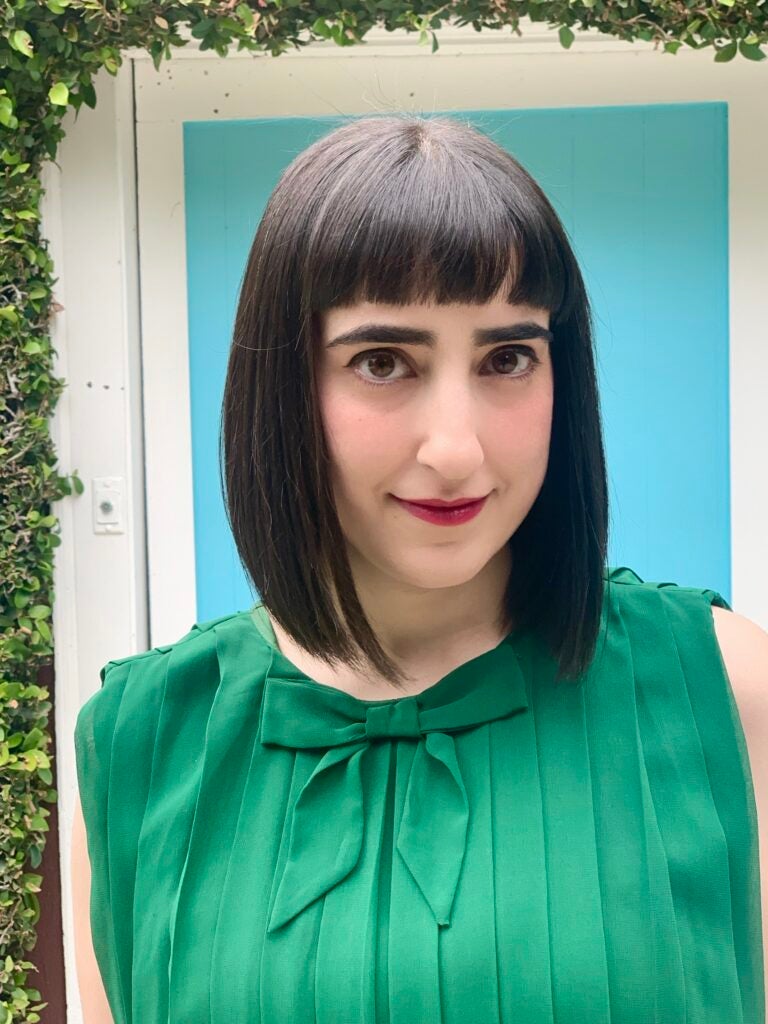
Anna Davidson
See Bio
Hailed as a singer “with spirit and remarkable facility” (Opera News), American soprano Anna Davidson is a champion of contemporary classical music. A returning artist to UCLA’s Lowell Milken Center for Music of American Jewish Experience, she previously performed in Tod Machover’s Schoenberg in Hollywood.
She has performed works by Fabian Panisello, Jörg Widmann, Gordon Kampe, Peter Maxwell Davies, George Crumb, and Arnold Schönberg, and has appeared with Festival d’Aix-en-Provence, the Asturias Symphony Orchestra, Plural Ensemble, New World Symphony, and Lux Ensemble, as well as at the Tate Modern in London.
Her opera roles include Okichi (Die Judith von Shimoda), Martha (Le Malentendu), Dorinda (Orlando), Abigail Williams (The Crucible), the Queen of the Night (Die Zauberflöte), Hilda Mack (Elegy for Young Lovers), Le Rossignol and Le Feu (L’Enfant et les Sortilèges), and Anne Trulove (The Rake’s Progress). She is a graduate of the Curtis Institute of Music and The Juilliard School.
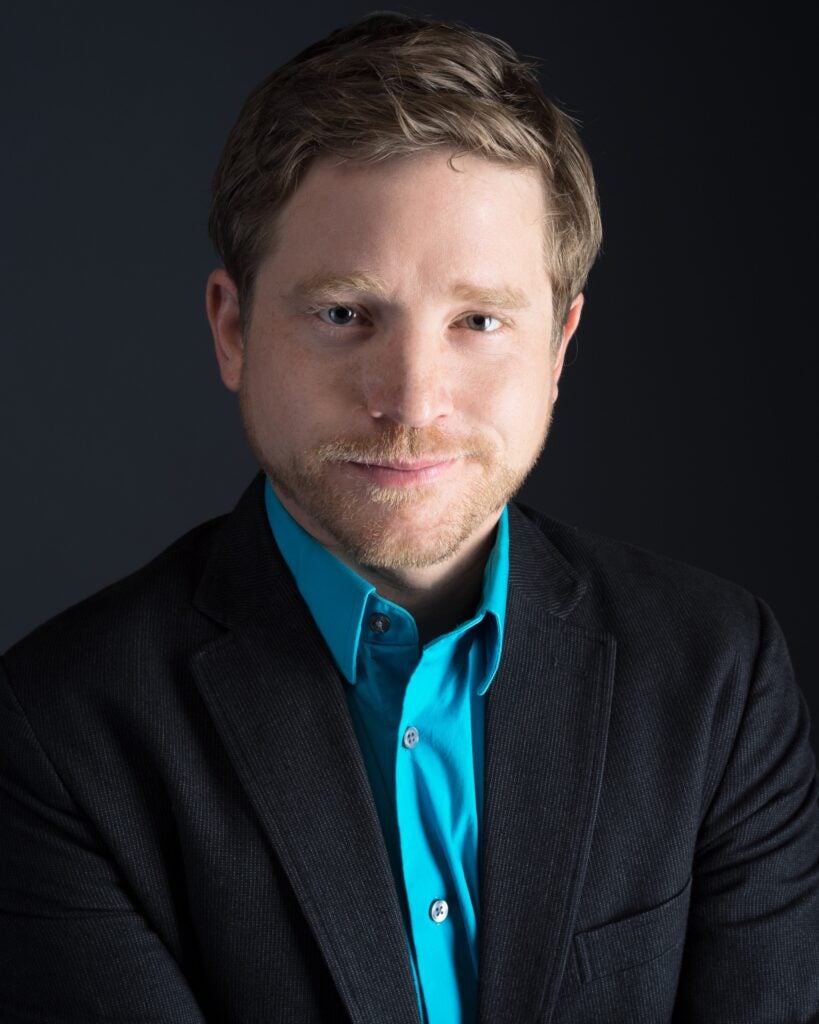
Jon Keenan
See Bio
Versatile tenor, Jon Lee Keenan, is a native of Las Vegas, Nevada. Heavily influenced by his father, both a classical and jazz saxophonist, Jon cultivated an interest in performing a variety of music at an early age. After studying both classical voice and jazz studies at UNLV, Jon relocated to Southern California to pursue a career in singing.
In 2007, Jon was asked to join the LA Master Chorale; Highlights with LAMC include the role of “Evangelist” in St. Matthew Passion and Handel’s Messiah. Jon has helped create many new exciting characters with the experimental opera producers at The Industry LA: “Clyde Barrow” in Bonnie and Clyde (Andrew McIntosh), and the “Captain“ in Sweet Land (Du Yun/ Raven Chacon) among many others.
Other recent performances include A sunbeam’s Architecture with poetry by e.e. cummings and music by Elliot Carter and Albert Hoffman in Anne Lebaron’s LSD: The Opera.
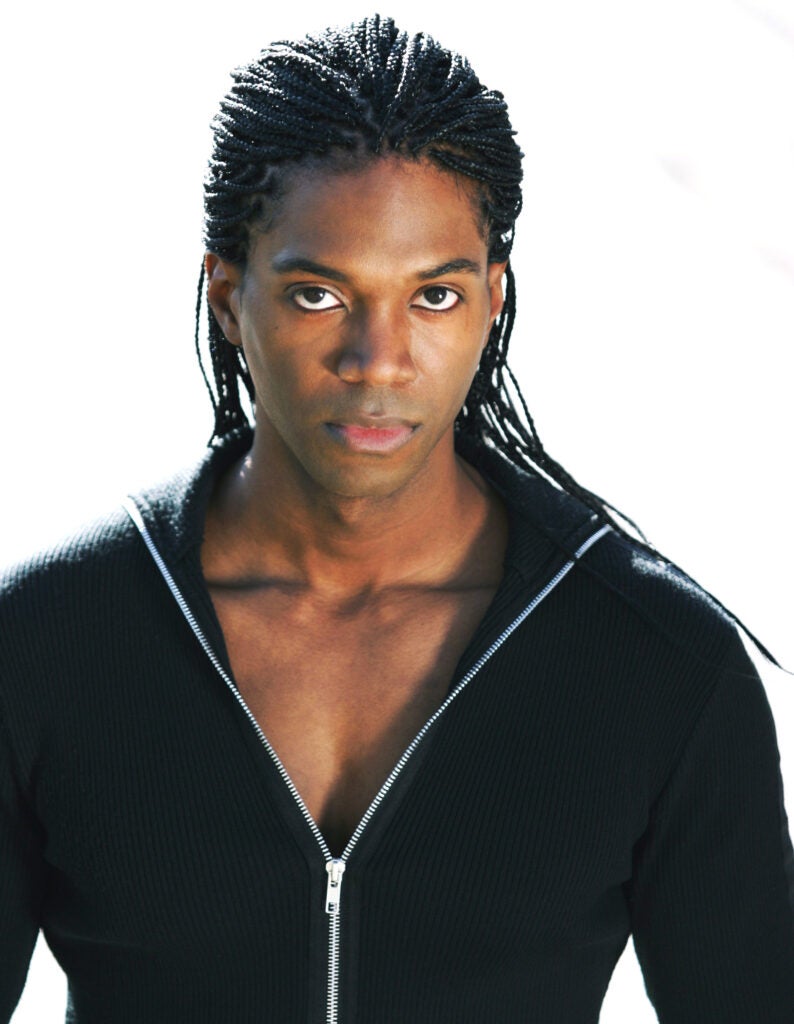
Nmon Ford
See Bio
Nmon Ford’s recent season appearances include the role of Scarpia Tosca at SOKA, Jonathan Leshnoff’s The Sacrifice of Isaac at Nashville Opera, the highly lauded Siddartha – She at Aspen Music Festival; Sharpless Madama Butterfly with Utah Opera and Symphony, Detroit Opera, Cincinnati Opera and Pittsburgh Opera; Silvio Pagliacci at Opera Carolina, and the critically acclaimed High Priest Samson et Dalilah at Opera Colorado.
Past highlights include Escamillo Carmen at Opera Colorado, English National Opera and Calgary Opera. A feature of past seasons includes his exceptionally reviewed performances as Crown in the new ENO/Metropolitan Opera production of Porgy and Bess at English National Opera; and he excelled in the title role Don Giovanni in the UK’s Dorset Opera Festival.
On the concert platform, Nmon Ford is renowned for performances of Bernstein’s Songfest which he sang with BBC Scottish Symphony Orchestra and with BBC Symphony at the Barbican Centre. At the Mostly Mozart Festival, he appeared as the Celebrant in Bernstein’s Mass. Further concert repertoire includes Shostakovich’s Thirteenth Symphony (Babi Yar), Carmina Burana, the Requiems of Brahms and Faure, Mahler’s Lieder eines fahrenden Gesellen and Kindertotenlieder, and Mendelssohn’s Elijah. His recordings include two Grammy-award winning discs: Naxos’s Songs of Innocence and Experience, and Teldarc’s Transmigrations.
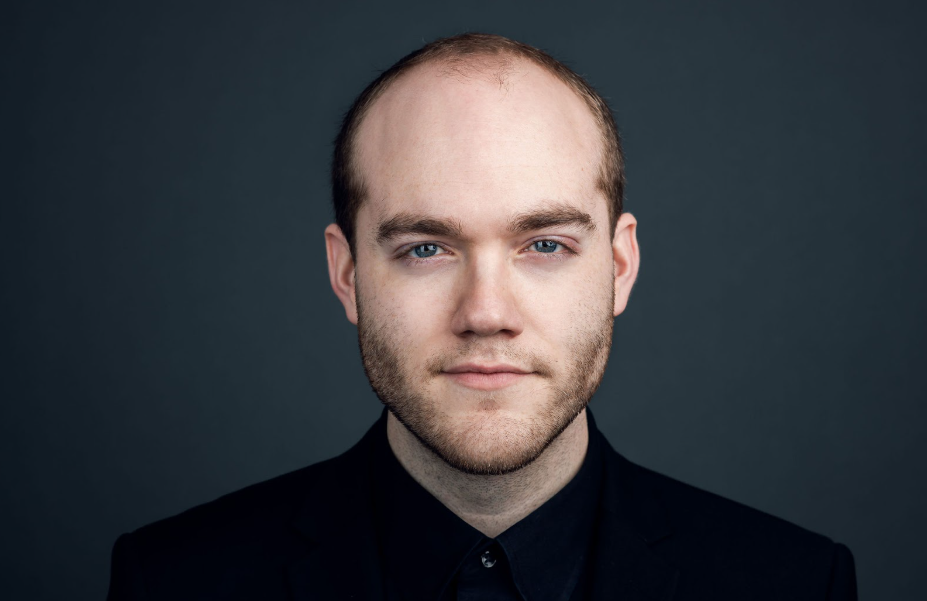
Jared Daniel Jones
See Bio
Jared Daniel Jones, originally from Ellijay, Georgia, is a Los Angeles based baritone with his most recent engagements being with Lyric Opera of Orange County, Pacific Opera Project, and Opera Italia. Jared performs regularly with the LA Opera chorus, recent performances include William Grant Still’s Highway 1, Turandot, Otello, Tosca, and Lucia di Lamermoor. A graduate of the Herb Alpert School of Music at UCLA with a Master of Music degree in voice performance, Jared performs throughout Southern California and nationwide as a concert and operatic soloist as well as performing with several professional vocal ensembles. These include the LA Master Chorale, Long Beach Camerata Singers, Pacific Chorale, and Seraphic Fire. Jared’s operatic repertoire includes Shaunard in La Bohème, the father in Hansel and Gretel, Ormondo in Rossini’s L’inganno Felice, Marco in Gianni Schicchi, and principle roles in UCLA’s world premiere productions of Lost Childhood and The Grand Hotel Tartarus.
Neal Stulberg
See Bio
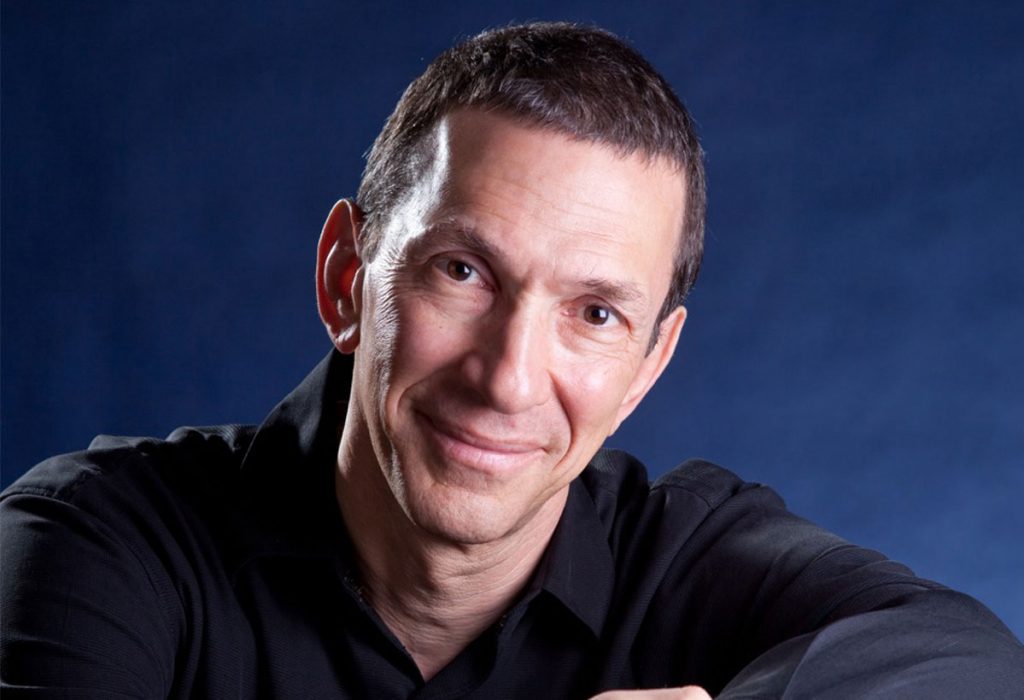
Heralded by the Los Angeles Times as “. . .a shining example of podium authority and musical enlightenment,” NEAL STULBERG has garnered consistent international acclaim for performances of clarity, insight and conviction. Since 2005, he has served as Director of Orchestral Studies at the UCLA Herb Alpert School of Music. From 2014 to 2018, he served as chair of the UCLA Department of Music, and currently serves as Distinguished Professor of Music Performance and Artistic Director of UCLA’s Lowell Milken Center for Music of American Jewish Experience.
In North America, Mr. Stulberg has led the Philadelphia Orchestra, Los Angeles Philharmonic, Atlanta, Fort Worth, Houston, Indianapolis, Milwaukee, Mexico City, National, New Jersey, New World, Oregon, Pacific, Phoenix, Saint Louis, San Antonio, San Francisco, Utah and Vancouver symphonies, St. Paul Chamber Orchestra and Los Angeles Chamber Orchestra, and New York City Ballet and San Francisco Ballet. A former assistant conductor of the Los Angeles Philharmonic under Carlo Maria Giulini and music director of the New Mexico Symphony Orchestra, he is a recipient of the Seaver/National Endowment for the Arts Conductors Award.
Mr. Stulberg’s European appearances have included performances in Germany with the WDR Rundfunkorchester Köln and the orchestras of Augsburg, Bochum, Dortmund, Freiburg, Herford, Jena, Münster, Nürnberg, Oldenburg and Rostock. In Holland, he has conducted the Netherlands Radio Symphony Orchestra at the Amsterdam Concertgebouw and led the Netherlands Ballet Orchestra, Netherlands Radio Chamber Orchestra, North Holland Philharmonic, Gelders Orchestra and Nieuw Sinfonietta Amsterdam. He has also appeared as guest conductor with the Stavanger Symphony Orchestra (Norway), Warsaw Chamber Orchestra, Klaipeda Chamber Orchestra (Lithuania), Athens State Orchestra, London Royal Ballet Sinfonia, Barcelona Liceu Orchestra and Norwegian National Opera Orchestra.
International engagements have also included the St. Petersburg Symphony Orchestra, Moscow Chamber Orchestra, Hong Kong Philharmonic, Taipei Symphony Orchestra, Seoul Philharmonic, Korea Philharmonic (KBS), Queensland, Adelaide and West Australian symphonies, Haifa Symphony Orchestra, Israel Sinfonietta and Ra’anana Symphonette.
An acclaimed pianist, Stulberg has appeared as recitalist, chamber musician and with major orchestras and at international festivals as pianist/conductor. His performances of Mozart concertos conducted from the keyboard are uniformly praised for their buoyant virtuosity and interpretive vigor. In 2011-12, he performed the complete Mozart sonatas for violin and piano with violinist Guillaume Sutre at UCLA’s Schoenberg Hall and at the Grandes Heures de Saint Emilion festival in France. In 2018, he performed throughout South Africa on a recital tour with saxophonist Douglas Masek and in 2022, appeared as solo pianist in the world premiere of Inclusion, a new work for pianist and chamber orchestra by Hugh Levick.
Mr. Stulberg has conducted premieres of works by Paul Chihara, Mohammed Fairouz, Jan Friedlin, William Kraft, Alexander Krein, Betty Olivero, Steve Reich, Peter Schat, Lalo Schifrin, Dmitri Smirnov, Earl Stewart, Morton Subotnick, Joan Tower and Peter van Onna, among others, and has also led works by UCLA composers Münir Beken, Bruce Broughton, Kenny Burrell, Mark Carlson, Richard Danielpour, Ian Krouse, David Lefkowitz and James Newton. He conducted the period-instrument orchestra Philharmonia Baroque in a festival of Mozart orchestral and operatic works, and has brought to life several silent movies from the early 1900s, including the Russian classic New Babylon, Shostakovich’s first film score. In August 2022, he conducted the North American premiere of Bas-Sheve, a recently rediscovered and orchestrated 1924 Yiddish-language opera by composer Henekh Kon and librettist Moishe Broderzon, at the Ashkenaz Festival in Toronto. In 2023, Stulberg led acclaimed performances of Dave Brubeck’s cantata, The Gates of Justice (1969) and the West Coast premiere of Lera Auerbach’s Symphony No. 6 (Vessels of Light) (2022) as part of the School of Music’s Music and Justice series, presented in collaboration with the Lowell Milken Center for Music of American Jewish Experience. And in May 2025, he conducted West Coast premiere performances of Tod Machover’s 2018 opera, Schoenberg in Hollywood, as part of the celebration of Arnold Schoenberg’ sesquicentennial.
Collaborators have included John Adams; Leonard Bernstein; Chris, Dan and Darius Brubeck; Dee Dee Bridgewater; John Clayton; Omar Ebrahim; Mercer Ellington; Michael Feinstein; Philip Glass; Morton Gould; David Krakauer; Lar Lubovitch; Tod Machover; Peter Martins; Mark Morris; Angel Romero; Cornel West; and Christopher Wheeldon. He has conducted Philip Glass’ opera Akhnaten at the Rotterdam Festival and Thomas Adès’ Powder Her Face with Long Beach Opera in Los Angeles, and has recorded for Naxos, West German Radio, Donemus, Yarlung Records, Sono Luminus and the Composers Voice label.
Mr. Stulberg has maintained a career-long passion for the training of young musicians. He has conducted and taught at the New World Symphony, Indiana University Summer Institute, Juilliard School, New England Conservatory, New Zealand School of Music, Henry Mancini Institute, Los Angeles Philharmonic Summer Institute, National Repertory Orchestra, Interlochen Arts Academy, American-Russian Youth Orchestra, Turkish Music State Conservatory (Istanbul), National Conservatory of Belarus (Minsk), Central Conservatory of Music (Beijing), Capitol Normal University (Beijing), Shanghai Conservatory of Music and National Taiwan Normal University. In December 2019, he taught and lectured in Israel at the Buchmann-Mehta School of Music, Jerusalem Academy of Music and Dance and Haifa University and returned to conduct its symphony orchestra in June 2024. In March 2026, he conducts the Carlos Chávez Youth Orchestra in Mexico City.
A native of Detroit, Mr. Stulberg is a graduate of Harvard College, the University of Michigan and the Juilliard School. He studied conducting with Franco Ferrara at the Accademia Nazionale di Santa Cecilia in Rome, piano with Leonard Shure, Theodore Lettvin, William Masselos and Mischa Kottler, and viola with Ara Zerounian.
James K. Bass
See Bio
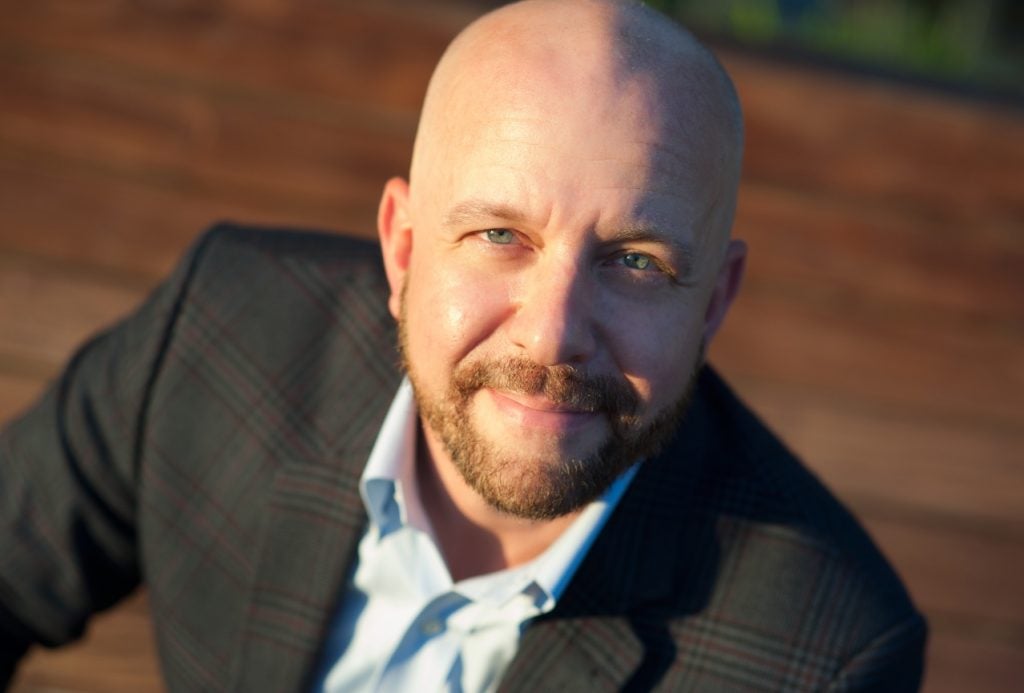
James K. Bass, GRAMMY®-winning singer and conductor, is Professor and Chair of the Department of Music, and Director of Choral Studies at The Herb Alpert School of Music at UCLA. He is the associate conductor for the Miami-based ensemble Seraphic Fire and is the Artistic Director of the Long Beach Camerata Singers.
Bass is an active soloist and ensemble artist. In 2017 he made his Cleveland Orchestra solo debut singing with Franz Welser-Möst and the orchestra in Miami and in Severance Hall, Cleveland. Other engagements as a soloist include the New World Symphony with Michael Tilson-Thomas, The Florida Orchestra, Grand Rapids Symphony, Back Bay Chorale and Orchestra, Firebird Chamber Orchestra, and The Sebastians. He has appeared with numerous professional vocal ensembles including Seraphic Fire, Conspirare, the Santa Fe Desert Chorale, Apollo Master Chorale, Vox Humanae, True Concord, and Spire. He was the featured baritone soloist on the GRAMMY-nominated recording Pablo Neruda: The Poet Sings with fellow singer Lauren Snouffer, conductor Craig Hella-Johnson, and the GRAMMY-winning ensemble Conpirare. He is one of 13 singers on the GRAMMY®-nominated disc A Seraphic Fire Christmas and appears on CD recordings on the Harmonia Mundi, Naxos, Albany, and Seraphic Fire Media labels.
Bass was selected by the master conductor of the Amsterdam Baroque Soloists, Ton Koopman, to be one of only 20 singers for a presentation of Cantatas by J. S. Bach in Carnegie Hall and was an auditioned member of Robert Shaw’s workshop choir at Carnegie. He has appeared as conductor with the Florida Orchestra during their annual education concerts.
During his tenure as Artistic Director for the Master Chorale of Tampa Bay, the official chorus of the Florida Orchestra, he was responsible for five recordings and multiple world premieres. In 2012 he served as chorusmaster and co-editor for the Naxos recording entitled Delius: Sea Drift and Appalachia featuring the Florida Orchestra and conducted by Stefan Sanderling. In 2014 he was the principal preparer for the recording Holiday Pops Live! conducted by the principal pops conductor Jeff Tyzik. During his tenure as a chorusmaster, he has prepared choirs for Sir Colin Davis, Sir David Willcocks, Jahja Ling, Michael Tilson-Thomas, Gerard Schwarz, Giancarlo Guerrero, Michael Francis, Marcelo Lehninger, Stefan Sanderling, Evan Rogister, Danail Rachlev, Joshua Weilerstein, Markus Huber, David Lockington, Xian Zhang, Patrick Quigley, and Neal Stulberg.
His professional career has coincided with the development of Seraphic Fire as one of the premier vocal ensembles in the United States. He has been actively involved as soloist, ensemble artist, editor, producer, and preparer for 14 of the ensemble’s recordings and routinely conducts the ensemble in Miami and on tour. During the summer of 2011, he co-founded the Professional Choral Institute. In its inaugural year of recording, Seraphic Fire and PCI received the GRAMMY® nomination for Best Choral Performance for their recording of Johannes Brahms’ Ein Deuthches Requiem. As the Director of Education for the ensemble, he has been involved with annual events that service more than 2000 students in the Miami-Dade county area each year. In 2017 Seraphic Fire and UCLA launched a new educational initiative entitled the Ensemble Artist Program that aims to identify and train the next generation of high-level ensemble singers.
Bass received his Doctor of Musical Arts degree from the University of Miami, where he was a doctoral fellow, and is a graduate of the Interlochen Arts Academy.
UCLA Chamber Singers
See Roster
Orchestra
See Roster
Violin I
Maya Magub
Ellie Dunbar
Pavlo Papaefthymiou
Celeste Pena
Violin II
Wynton Grant
Leonard Chong
Kevin Zheng
Abi Tsai
Viola
Zach Dellinger
Yu-Ting Hsu
Cello
Chris Ahn
Christine Kim
Bass
Jules Levy
Flute
William Adams
Josephine Lee
Oboe
Breana Gilcher
Thacher Schreiber
Clarinet
Jonathan Sacdalan
Bassoon
Jonathan Stehney
Percussion
Cash Langi
Piano/Celesta
Irene Kim
Contractor
Jules Levy
Background
Bas-Sheve
Dr. Diana Matut
Bas Sheve premiered on May 24, 1924 at the Kaminsky Theatre in Warsaw. Composed by Henekh Kon to a libretto by Moishe Broderzon, the opera was an immediate success and produced a strong impact, of which the music critic and conductor Yisokher Fater later wrote: “The enormous project generated great enthusiasm amongst the Jews of Warsaw. Each performance became a celebration of Jewish musical art.” Kon’s contemporary, the poet and essayist Melech Ravitch, declared him “destined” to become the leading composer of secular Yiddish music.
Although rather modest by modern standards, the premiere production had an excellent cast, including the famed husband and wife duo, baritone Moshe Rudinow and mezzo-soprano Ruth Leviash, alto Shimen Orliuk and Henekh Kon himself, who played the orchestral parts on the piano and sang the bass part – as no professional Yiddish bass singer was available. These fine voices were complemented by the celebrated Moshe Shneur Choir, ensuring the high quality of the performances.
Kon’s original piano score, a beautiful, clearly-written manuscript with transcribed Yiddish text, was miraculously preserved and provided the basis for the present orchestral version by Joshua Horowitz.
Bas-Sheve Background Story Synopsis
1. David, while walking on the roof of his palace, sees a very beautiful woman bathing. He orders inquiries and finds out that she is Bathsheba, wife of Uriah and orders a messenger to retrieve her.
2. He sleeps with Bathsheba and impregnates her.
3. In an effort to conceal his sin, David summons Uriah from the army (who is fighting David’s war) in the hope that Uriah will sleep with his wife, and believe that the future child will be his.
4. But Uriah is unwilling to violate the ancient code applying to warriors in active service; rather than go home to his own bed, he chooses to remain with the palace troops.
5. After repeated efforts to convince Uriah to sleep with Bathsheba the King gives orders to his general, Joab, that Uriah should be placed on the front lines of the battle, where Uriah is most likely to be killed.
6. Uriah is killed and David marries Bathsheba.
7. David’s actions are displeasing to the Lord, who sends Nathan the prophet to reprove the King. After Nathan relates the parable of the rich man who took away the one little lamb of his poor neighbor (2 Samuel 12:1–6), and exciting David’s anger against the unrighteous act, the Prophet applies the case directly to David’s action with regard to Bathsheba. David at once confesses his sin and expresses sincere repentance.
8. Bathsheba’s first child by David is struck with a severe illness and dies, unnamed, a few days after birth, which the King accepts as his punishment. Nathan also notes that David’s house shall be punished for Uriah’s murder.
For more information, click this link for the Bas-Sheve website.
This event is made possible by the Lowell Milken Center for Music of American Jewish Experience at the UCLA Herb Alpert School of Music and the UCLA Alan D. Leve Center for Jewish Studies in conjunction with the Michael & Irene Ross Program in Yiddish Studies. We also gratefully acknowledge the UCLA Leo and Elaine Krown Klein Endowed Chair for Music Performance Studies and its chair holder, Professor William Kinderman, for generous support of this program.
To keep up with our future events, make sure to subscribe to the Milken Center’s email list here.
Program Notes
Bas-Sheve
Music by Henekh Kon
Text by Moishe Broderzon
Additional music by Joshua Horowitz
Additional text by Michael Wex
* * * *
LIBRETTO
ACT I
Chorus
In blue, deep, royal nights, fate weaves its ugly web.
In blue, deep, royal nights, there’s no rest for the king.
In blue, deep royal nights, King David also becomes a servant.
In blue, deep, royal nights, he doesn’t sleep a wink.
In deep, blue royal nights, a star falls and is despoiled.
In deep, blue royal nights, sin falls upon the heart.
Nosn (Nathan)
I turned around, and on the doorstep, the question is posed.
I will interrupt his song of victory, the song in his tent!
The king has sinned, the king, his power enfeebled, has sinned, has sinned.
A murderer’s servant: God watches!
Chorus
God watches, God watches! His sentence is just!
Nosn
Oh help me, God, the censure must be far worse than the punishment itself.
Oh help me, God, my word shall shine as comfort through weeping. Oh God!
Sheliekh (messenger)
The king can’t sleep a wink and won’t let me rest.
The king has asked me to “fill his bed.”
I am a messenger. Off I go, burning holes in my shoes.
He also asked me squash some snakes.
Just listen, listen up! Come on, follow me!
After all, what and where is this snake, anyway? Ha, ha!
Maybe it is the black snake lodged in his heart? I’ve known it for a while now.
This “counsellor,” the snake! Ah!
Nosn
God’s wrath has spilled out over the king’s shiny crown.
The wellspring of mercy is closed. After the sin comes the punishment.
Sheliekh
Indeed here he is, the prophet Nosn!
After the meal and after all the wine, I completely forgot about him.
Atchoo! He may enter after all! Atchoo!
Oh, come in, prophet Nathan! Atchoo! Sneezed for the third time!
Nosn
Is the king awake?
Sheliekh
No, Nosn, he is awake!
Nosn
Is the king asleep?
Sheliekh
No, Nosn, he’s asleep. I don’t understand the question you’re asking!
You know as well as I what the king is doing!
Since you’re a prophet, you bring word from above!
Nosn
I’m asking you: Is the king sleeping? Is he awake? I’m asking you, answer me!
Sheliekh
Okay then, go and answer to a prophet! A prophet should know such things!
Oh, things aren’t going well with our dear king.
He’s lost his joy and talks sullenly. That’s all I know.
Nosn
Does he mention Urye’s (Uriah’s) name in prayer?
Sheliekh
I do not know, prophet, about such things. He never tells me.
Nosn
He did, after all, kill him in war by proxy and thus sinned.
Surrendered him into the flames, into the hands of the enemies, the Ammonites.
Sheliekh
I know this, prophet, just like you do and maybe more so. But it’s not right that I, the messenger from Yoav (Joab), should know this.
Nosn
So what did you report then?
Sheliekh
When the wrath issued forth from the king…
Nosn
Ha! Fake wrath, designed to conquer his own, terrible lie!
Sheliekh
When the king’s wrath issued forth, he commanded me to say: Why did we turn against the city? We knew, after all, that there will be shooting from the wall!
Nosn
What was your answer?
Sheliekh
As Yoav has commanded! That also his servant, the Hittite Urye, had died.
The enemies stood up, the enemies from the wild tribes. The enemy formed a line with the giants of the Ammonites and archers, strong like an army, lying in secret. A shout travelled from the gate down toward us and many servants died, cut down by the Red Death. And together with them in combat, the Hittite died, too.
Nosn
After that, he took revenge on the enemy, using them as no more than an agent of his lust. Now God’s vengeance will strike him.
Sheliekh
Shh! Listen! I hear the royal steps. Remember, prophet, remember to soften the scolding speech!
Nosn
The end of power nears when the servant takes pity on his lord.
Chorus
In deep, blue, royal nights, a star falls and is despoiled.
In deep, blue kingly nights, the sin falls upon the heart.
Dovid (David)
The north wind, as every night, breathes life upon my harp. It plays alone and wakes me. I should get up and praise God and sing to Him! How hard it is for me. My bad conscience keeps me awake day and night. How heavily the burden of the sin of stolen love weighs upon me. For God’s sake, I have forsaken my honor, and a stone lies on the source of my conscience. Nothing is strong enough, be it joy or be it vengeance, to drive away the heavy stone.
Nosn
“Be it joy or be it vengeance!”
Dovid
Who’s there? Who is the echo in my tent? Who’s talking to me at midnight?
Nosn
The servant of God, he speaks to the leader of his people, to the loyal shepherd of his flock.
Dovid
Oh, good that you are here. In the middle of the night, you came. Such black towers jut out around me! Clouds are stretched out on my heart. How hard it is for me in the middle of the night. How hard.
Nosn
I know this, lord and leader of his people! Oh, you faithful shepherd!
Dovid
Yes, faithful!
God has entrusted his sheep to me. He commanded me to be a shepherd. I have been directed to lead His sheep, who tremble before God. My heart, oh God! I beseech you: forgive me!
And that is exactly why God has entrusted his holy sheep into my feeble hand. And great mercy descends from his door, and righteousness falls upon people and land. O, faithful shepherd, yes, faithful.
Chorus
In blue, deep, royal nights, lust kills white doves.
In blue, deep royal nights, he can’t sleep a wink.
In blue, deep royal nights, servant fights an evil battle against servant.
In deep, blue royal nights, for the eternal privilege of the lord.
Dovid
In evening, when I rose from my bed and went out on the roof of my palace, I saw how she bathed. And she found favor in my eyes. And I thought: she will cleanse me of the blood which stains me from all the wars. So I asked about her. They told me: the woman is Bas-Sheve, the daughter of Eliam, the wife of Urye the Hittite. So I sent messengers and had her snatched away.
Nosn
Afterwards, she — Urye’s wife — became pregnant sinfully from the king. And you sent a letter to Yoav to bring her husband, the true one, to come to his wife, Bas-Sheve, so that he would believe that your child was, in fact, his child.
Dovid
That’s the way it happened during the siege of Rabbat!
Bas-Sheve (Bathsheba)
David, King David!
Dovid
What’s happened? Has news arrived or is it just a dream?
Bas-Sheve
A dream indeed! O, king, the army marches, the blood of men trickles. You put my Urye in the front lines. Must he wash away our sin with his blood in the arms of death? He curses your name, o David!
Dovid
A dream indeed, a bad dream. Vengeance has overtaken my people. Bas-Sheve, be calm and sing a song for me; my weary eyes can’t find sleep and I can’t have peace of mind. O sing, Bathsheba, the lullaby which you sang by the cradle.
Bas-Sheve
I will sing, king. Envelop yourself and may the melody rock you to sleep.
Softer, softer little white birds fly.
Softer, softer, flutter about.
Knock, knock, knock at the window panes.
Little birds are calling out:
Come, o king, come to wonderland.
Come together in the hall of the wonderland!
Flicker, flicker, sparkle little golden flames.
Flicker, sparkle, don’t be snuffed out.
Golden lambkins dance and leap with great joy,.
Great king, holy king, come together in the hall of the wonderland.
Children, children, children of the sun, play – play as God commands them.
Children, children, hurry toward the sun.
As the sun comforts the children, comfort yourself too, king, comfort yourself with victories.
To the chorus master: a melody with a song:
Chorus and Bas-Sheve
In blue, deep royal nights, a crown of thorns is being braided.
In blue, deep royal nights, a north wind arrives.
Dovid
I haven’t wept! My eyes have no tears. Bas-Sheve, with tears you can only shatter stars.
Bas-Sheve
O David, I haven’t wept since the child was born and I no longer feel any sin in my heart.
Dovid and Bas-Sheve
O God, the sin is more powerful than are we and Your will.
ACT II
Chorus
In blue, deep royal nights, a crown of thorns is being braided.
In blue, deep royal nights, a north wind arrives.
Sheliekh
I had news and now I’ve forgotten it.
It was right here, it was sitting right there.
I went up and around and had it down pat,
But the news went right out of my head, far from here.
Dovid
Try to remember!
Sheliekh
I pondered – I thought,
the child was crying.
I come to report:
The child is crying alone in his cradle, the child is as pure as a tear.
Dovid
Go, Bas-Sheve!
Chorus
Hail to the king and to his victories!
Hail to the king, hail!
The enemies lie submissively under the steps of your victories.
Banners stream, burn, burn in the flame without end!
People and peoples recognize: King David lives and endures!
Nosn
The people sing, king David!
Dovid
Are you still here?
Nosn
I am still here because of your judgement and honor! Incline your ear and listen to the word of the prophet and his decree.
(Ballad)
Somewhere in a town not far –
two men lived side by side.
Two people, two men, two people, two men. One was richer,
and the second had, indeed, a sheep.
One only. A sheep, just one!
And one day
A guest, adorned in gold, came upon the rich man. A guest, adorned in gold.
So what does the rich man do?
The poor man has one sheep –
his treasure, his dowry. His treasure, his dowry.
The rich man takes it and runs away.
His little sheep, his tiny possession.
His only comfort of nights and days, his only comfort of nights and days.
Everyone saw it! That’s how it was, that’s how it happened.
Dovid
By the life of God! The rich man is guilty!
The rich man, who performed this miscarriage of justice!
Nosn
The rich man is you! The shepherd became a wolf.
Dovid
I won’t forget, prophet! I won’t suffer false prophecies!
Nosn
You have brought the judgment upon yourself.
(Song of Punishment)
And the God, Yehova, the God of the people of Israel, says: You killed Urye with the sword. You have taken his wife as your wife: therefore shall the sword never depart from your house!
Chorus
Hail to the victories of the king, hail!
The enemies lie submissively under the steps of your victories.
Banners stream, burn!
Burn in the flame together, together! People and peoples recognize:
King David lives and endures!
(Manuscript breaks off here. New music by Joshua Horowitz and new text by Michael Wex follow.)
Nosn
Thus says the God Yehovah, the God of the people of Israel: I am raising a calamity on you and on your house. Your hidden deed will soon be revealed. You took Urye’s wife, had him killed.
Soon the time will come when you are paid back. I will deliver your wives into the hands of another. He will lie with them in front of the people, your good name will be dishonored.
The child just born to you will not survive for long. You will live out the whole of your lifespan –his lifespan’s the size of a poppy seed.
Chorus
Hail to the victories of the king! King David lives and endures!
Dovid
I can’t get any rest,
my head is spinning.
I’ve sinned before God,
before Him who neither gave me into the hands of my enemies nor into the hands of Saul.
I close my eyes and––
no! It’s spinning––
Urye? No!
How did you get here?
Why are you bleeding like that? I? Killed you?
No, Urye, no!
It wasn’t me—you were killed in battle following your commander’s orders.
No, Urye, no!
I did give Yoav the order––
out of pity,
I did you a favor!
You shouldn’t come home to shame and derision wearing the shameful horns
with which your wife crowned you.
No, Urye, no!
What does it matter that she lay with me?
If you’re going to talk like that, let me remind you that you gave her a conditional divorce.
No, Urye, no!
Of course you were still alive when I summoned you and––
yes, I confess: she was already pregnant then but she no longer belonged to you.
No, Urye, no!
I told you to go home but you didn’t obey.
No, Urye, no!
I wouldn’t have told you to do so if you hadn’t still been her husband.
So—oy vey, oy vey, where in God’s name are you going? Where?
Turn around––I can’t look at your bleeding back. Turn around, don’t go––come, come back to me and let me beg your forgiveness, forgiveness from beyond the grave… He’s pretending not to hear… Vanished like a puff of smoke.
Bas-Sheve and Dovid
Bas-Sheve
Sleep, my child, I will rock you to sleep
I will sing you a nice melody. Sleep my child, rest,
close your eyes.
Close and open them!
May you be blessed with health! Sleep my child, rest,
close your eyes.
Dovid
Seventy of his thousand years,
Adam gave to me as a gift.
And I wasted all of them
on evil deeds that cannot be expunged.
Oh God, give me a sword like Saul’s,
so I can make amends for my sins here on earth. Strike me, torment me, blind me,
but spare Bas-Sheve’s child.
Chorus
Beloved of my soul, compassionate father,
draw your servant to your will;
then your servant will hurry like a hart
to bow before your majesty;
to him your friendship will be sweeter
than the dripping of the honeycomb and any taste.
Majestic, beautiful, radiance of the universe, my soul pines, it is sick for your love. Please, oh God, heal her now…
Bas-Sheve, Nosn, Dovid, Sheliekh
Bas-Sheve
Under the child’s crib stands a golden goat.
The goat went to market.
Raisins with almonds, raisins with figs,
the child will sleep and be silent.
Nosn
God has taken away your sin.
Dovid
Forgiven me?
Nosn
Just now, this very minute.
Sheliekh
My lord king, my lord king!
Dovid
Tell me something really happy!
Sheliekh
The child is dead…
*******
(Original manuscript resumes.)
Sheliekh
Died, oh, the child has died. The mother cradled it until it was dead.
Dovid
God did not listen to my prayer. Thus, Your will is just, my God, my God.
Bas-Sheve
(The bird of grief)
A bird flies, flies and flutters, and sings a song:
Clouds have tormented me, do not fly with me. Clouds have tormented me, do not fly with me!
Either wait in the tree, and don’t move
and wait until morning. Do not fly
with me. And wait until morning. Do not fly with me!
Or enter the flames, woe unto me!
And perish while singing songs – do not fly with me! And perish while singing songs – do not fly with me.
Chorus and soloists
In blue, deep royal nights,
servant fights an evil battle against servant
for the eternal privilege of the lord.
