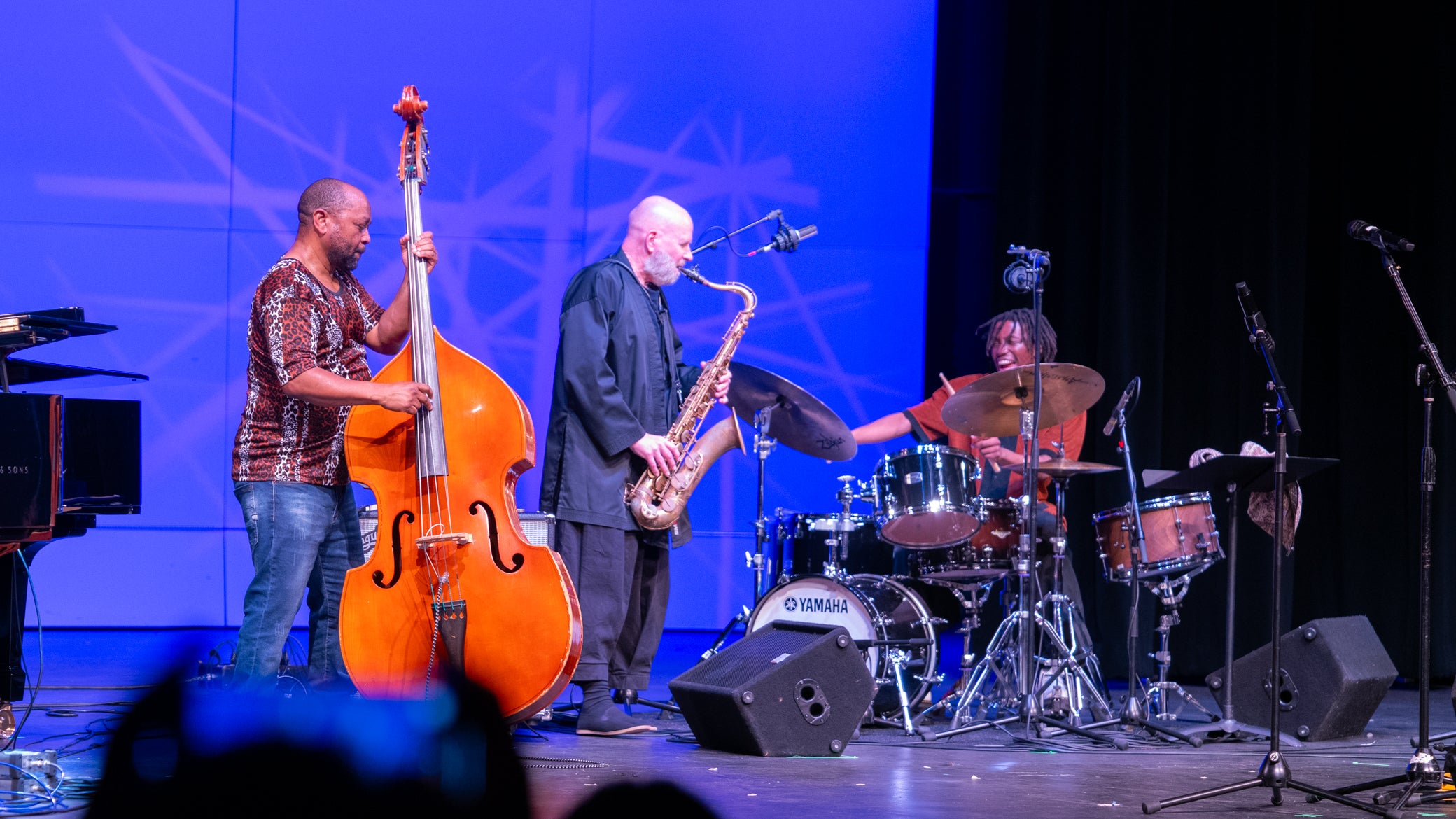
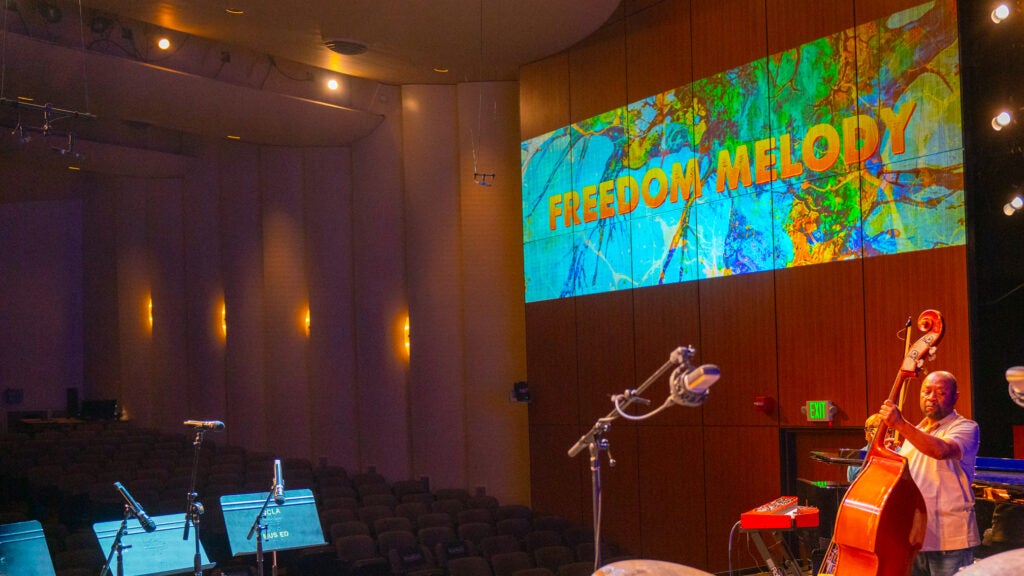
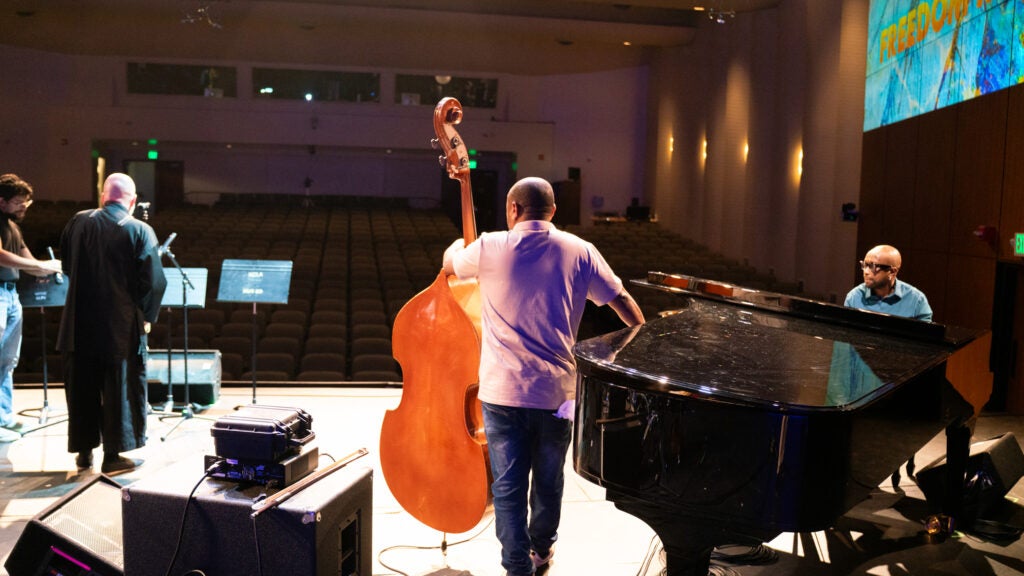
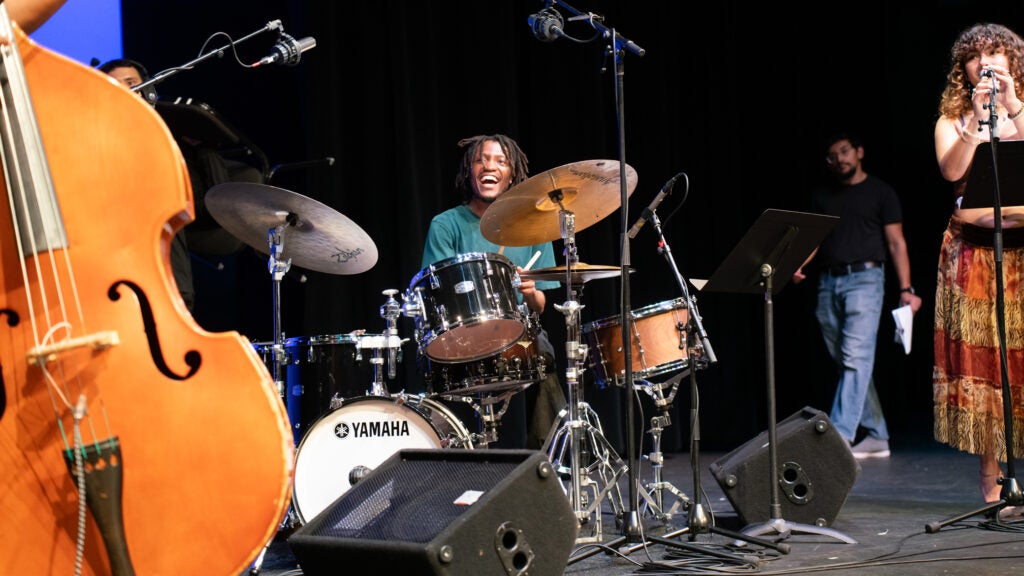
Steve Dyer, the South African multi-instrumentalist, composer and producer, visited The UCLA Herb Alpert School of Music the week of October 27 with his quartet Aaron Rimbui (piano), Jimmy Mngwandi (bass) and Kabelo Mokhatla (drums). The musicians, fresh from a performance at the Lincoln Center, led a workshop for students and then worked with jazz vocalists who participated in a Wednesday night concert that marked the West Coast premiere of Dyer’s new project Freedom Melody.
Freedom Melody commemorates the 1985 music festival by the same name, held in Botswana. Dyer, a young, South African musician just out of college at the time, was living in exile in Botswana, and helped to organize the festival.
The Workshop
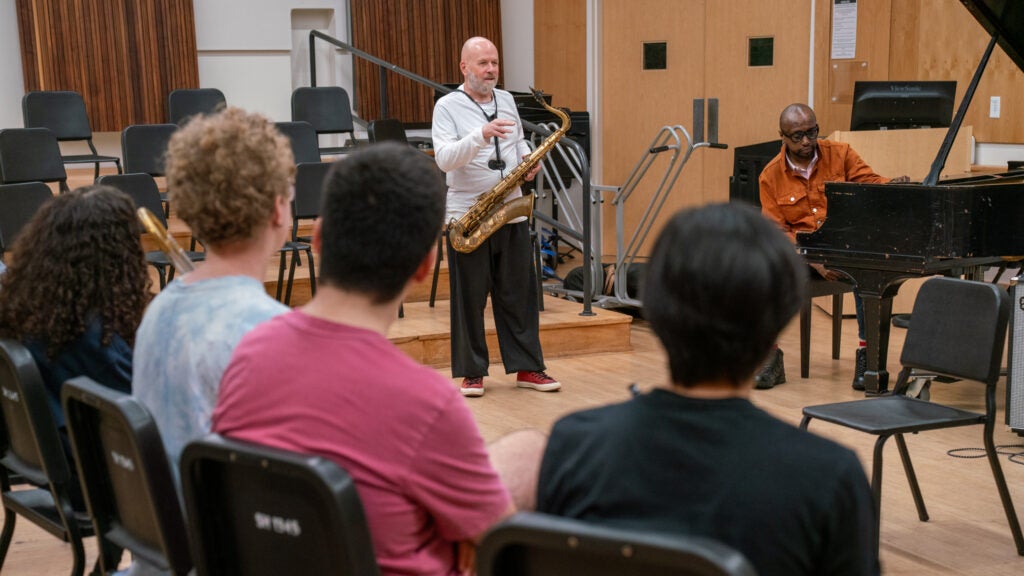
Students (and a few faculty) gathered in the Band Room for the workshop, where Dyer began by discussing his new project, about the original Freedom Melody festival, and some of the key features of South African style of jazz. But he soon picked up his saxophone for a demonstration. The students joined in and learned a South African song.
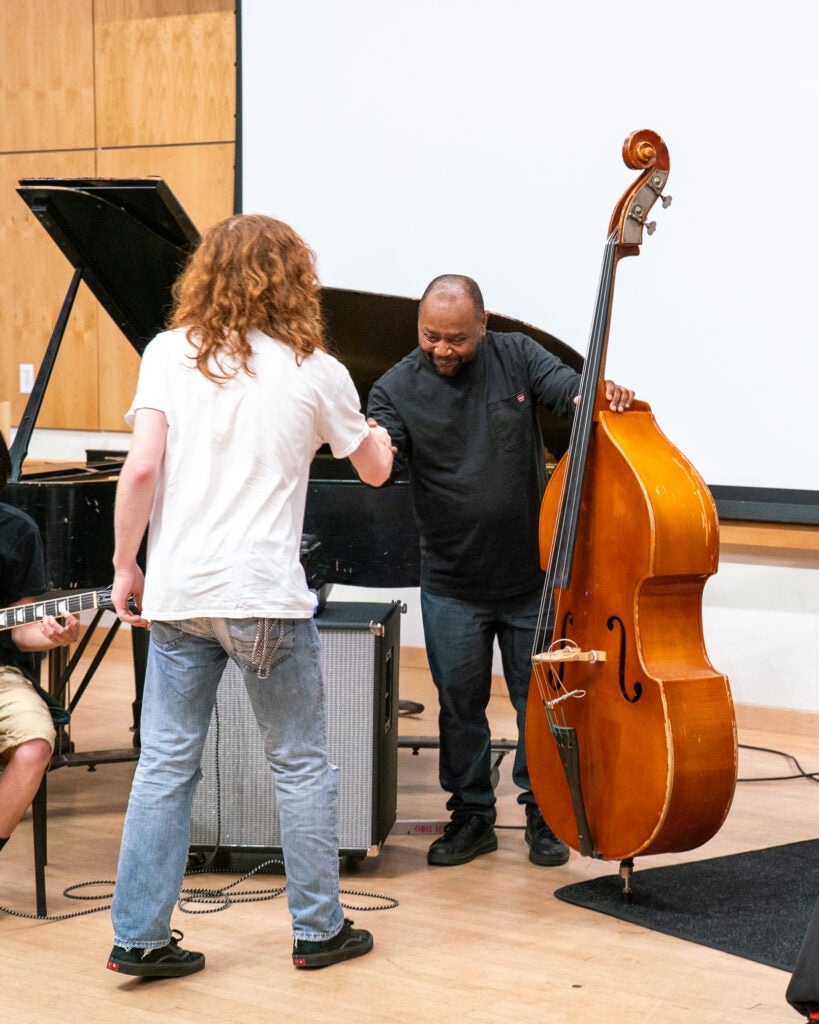
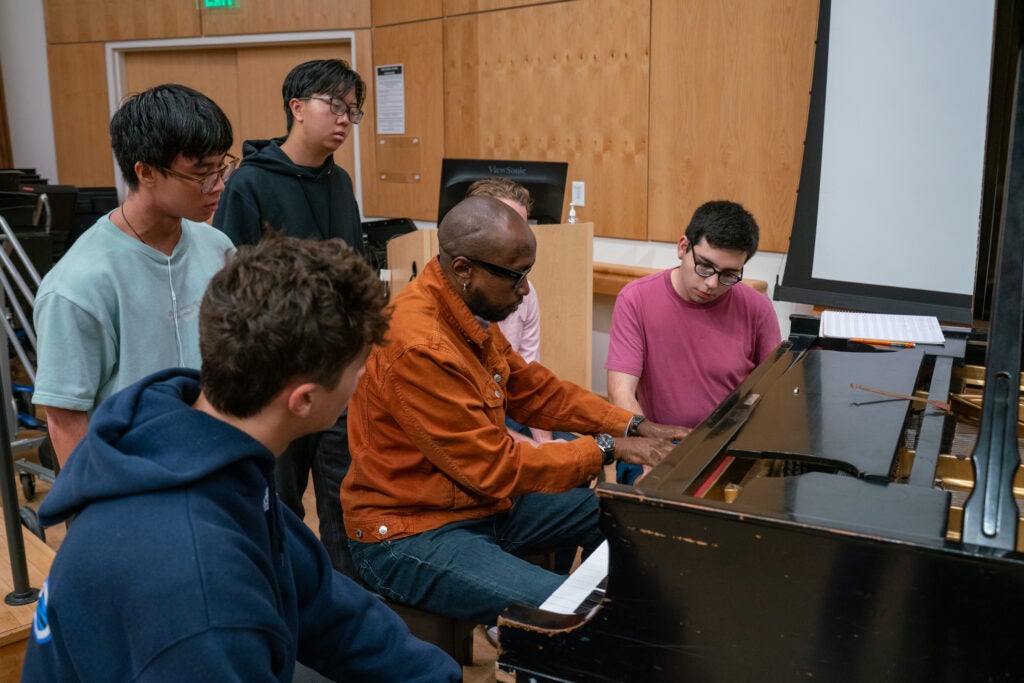
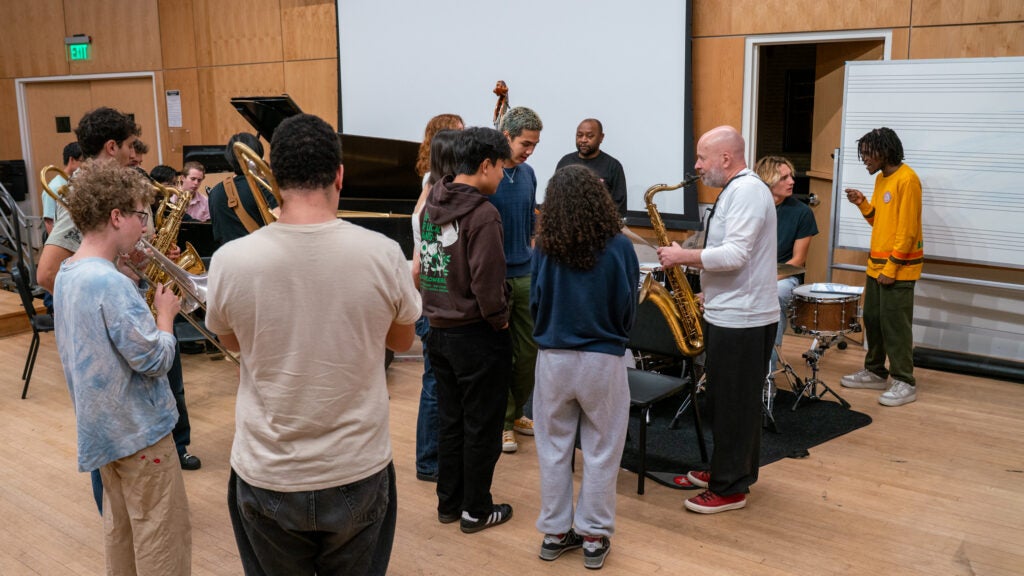
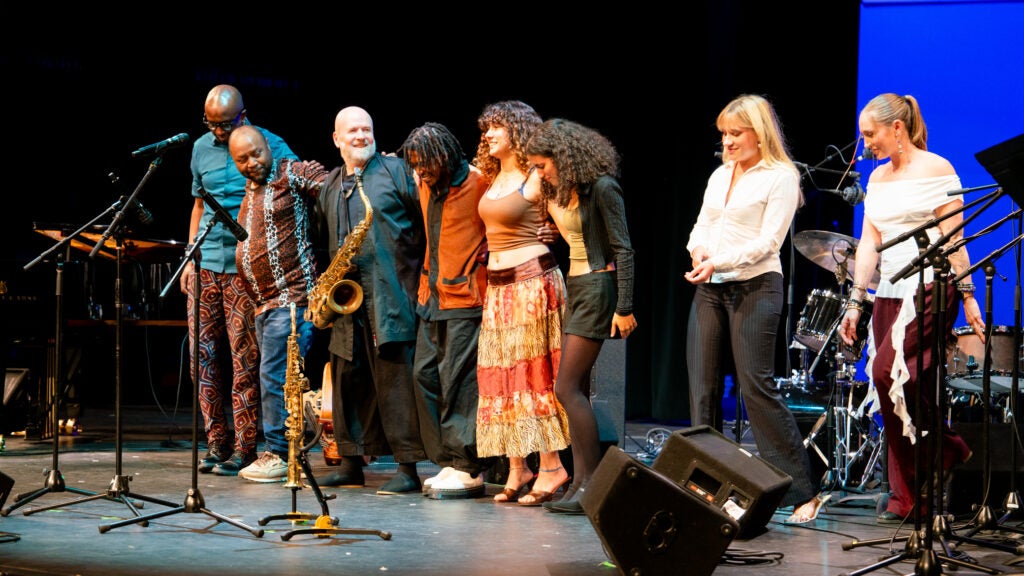
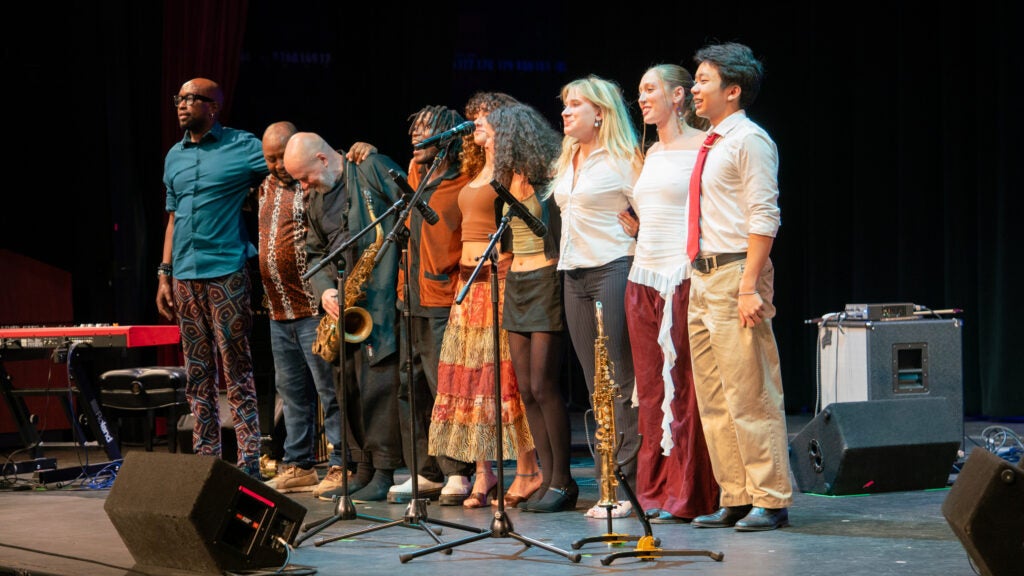
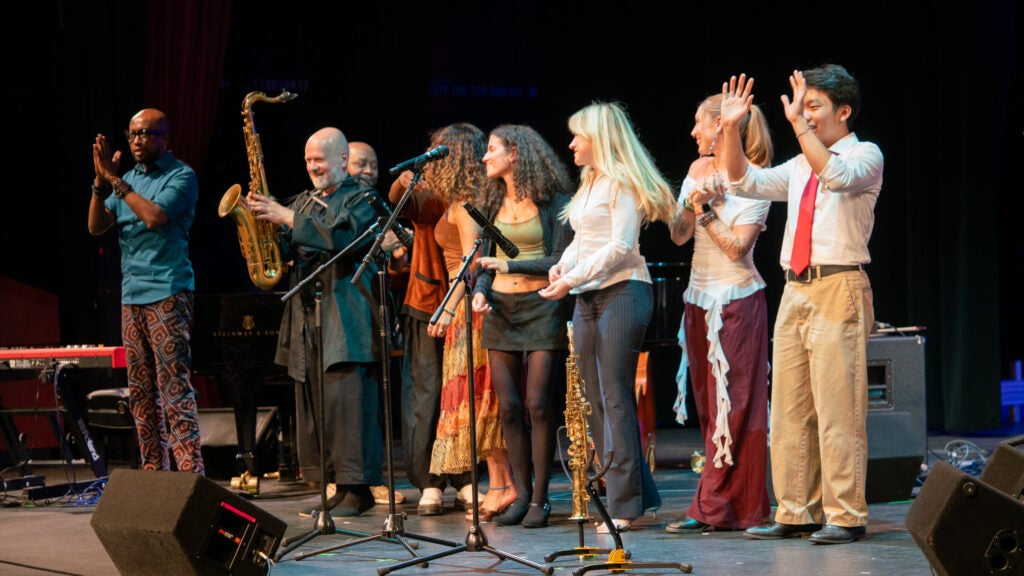
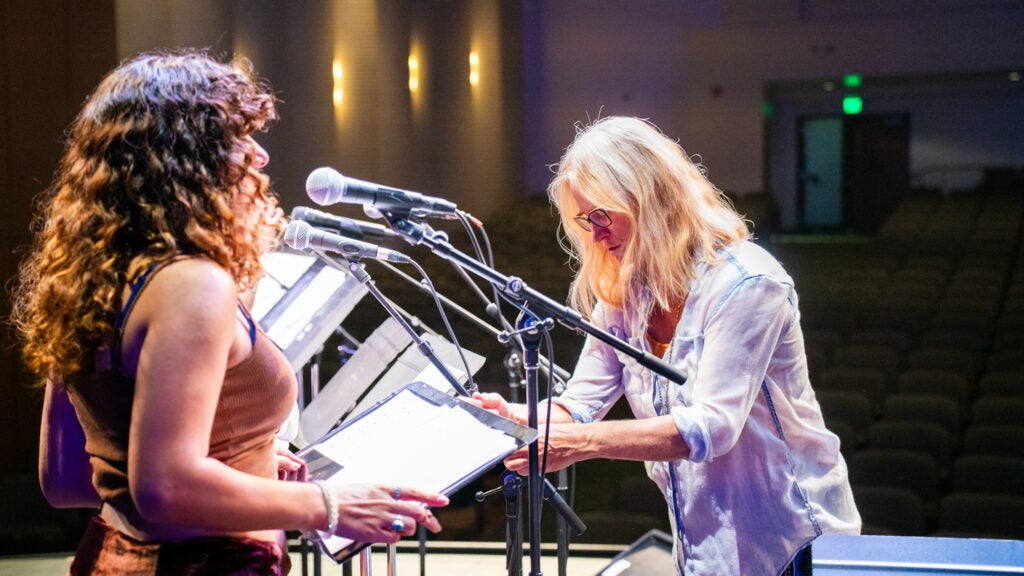
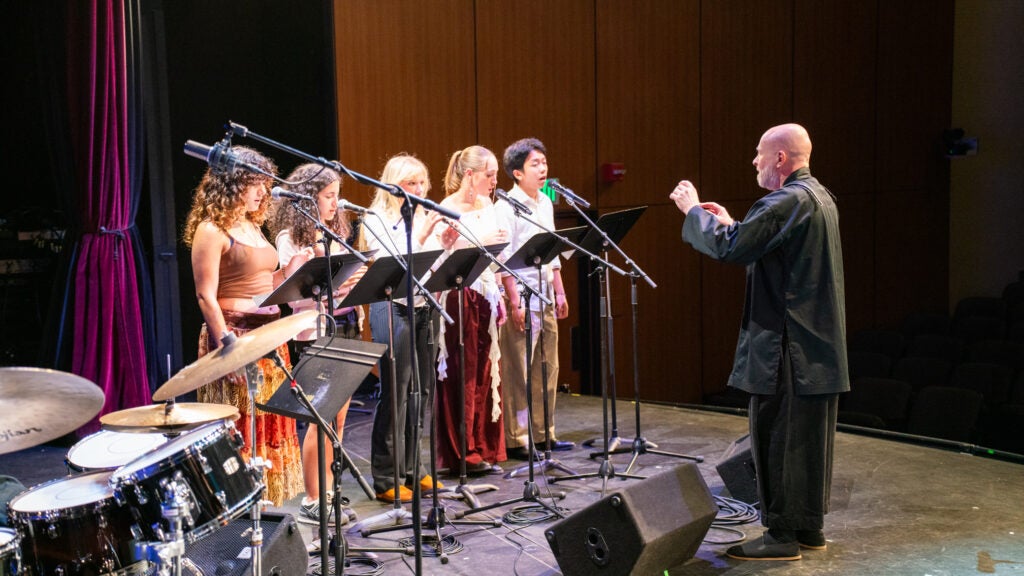
Five student vocalists (lower-right photo, in order from left to right: Gloria Reyes-Mitchell, Kira Luana, Clare Weiss, Julia Rubright and Andrew Tran) rehearsed with the quartet and performed on two of the pieces at the Freedom Melody concert.
Freedom Melody in Concert
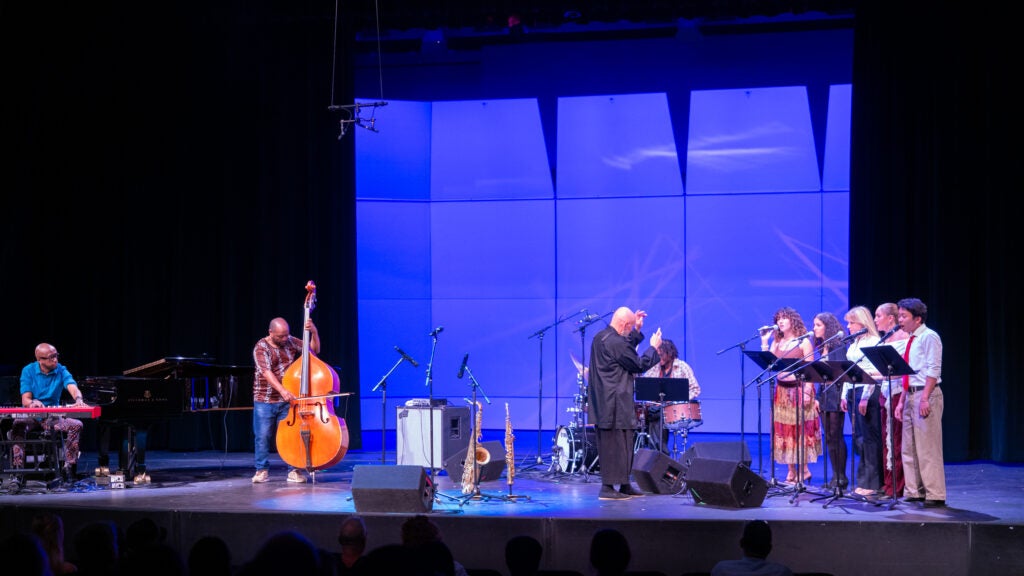
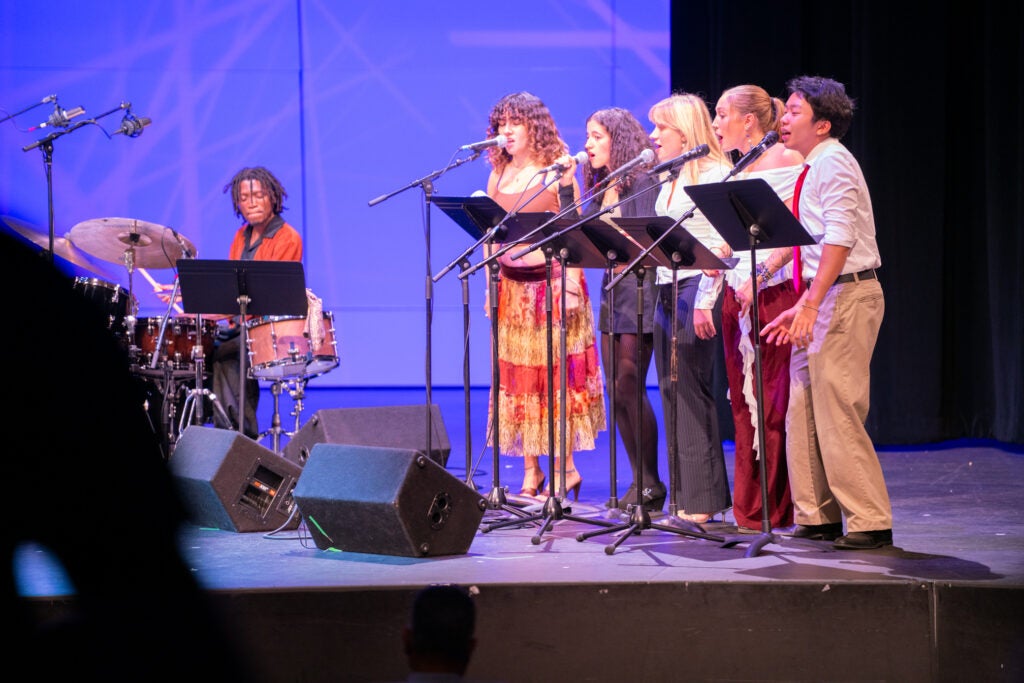
Freedom Melody is more than just a new project or even a concert. It pays homage to a music festival held by musicians-in-exile from the apartheid government of South Africa. The 1985 festival took place in and around Gaborone, Botswana, just across the border with South Africa. It attracted musicians from around the world, “like honeybees to the flowers,” as Dyer recalled. It also attracted the attention of the South African government, which raided Gaborone on June 14, 1985 and targeted some of the artists who had participated.
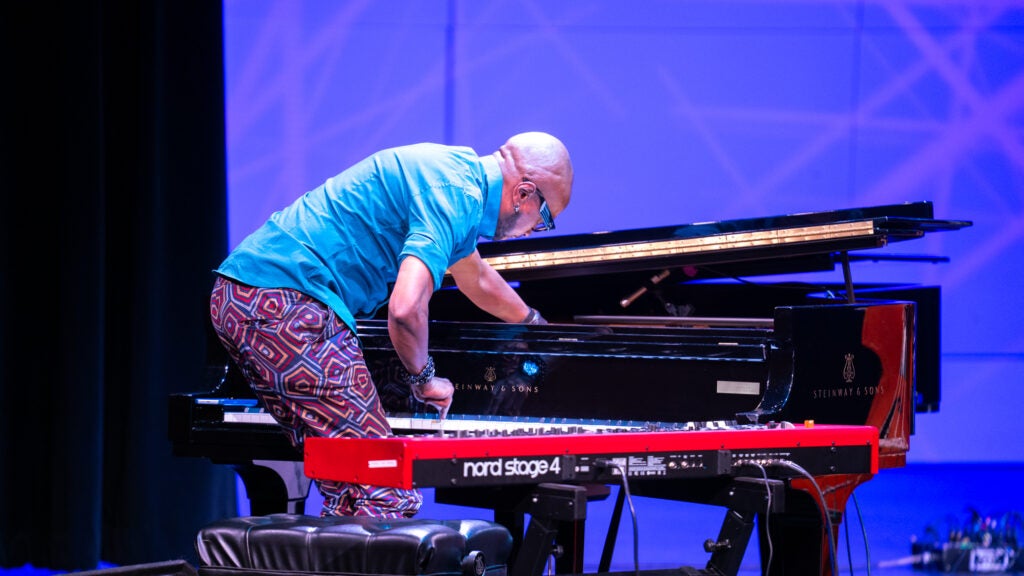
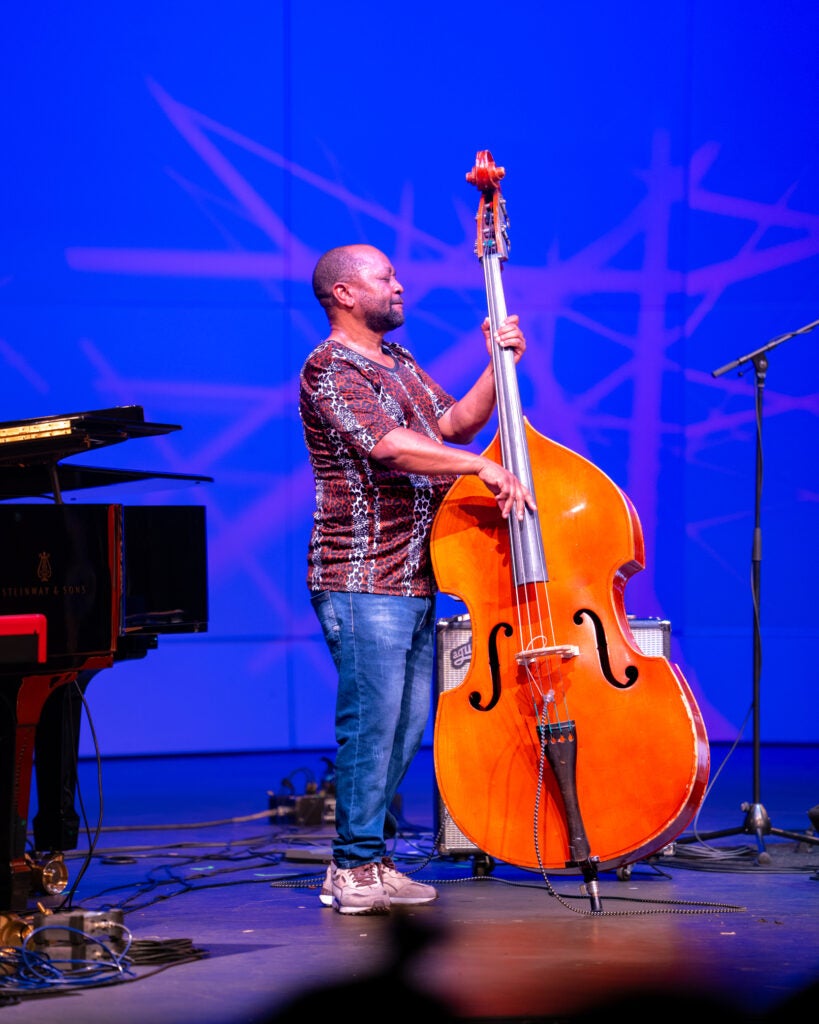
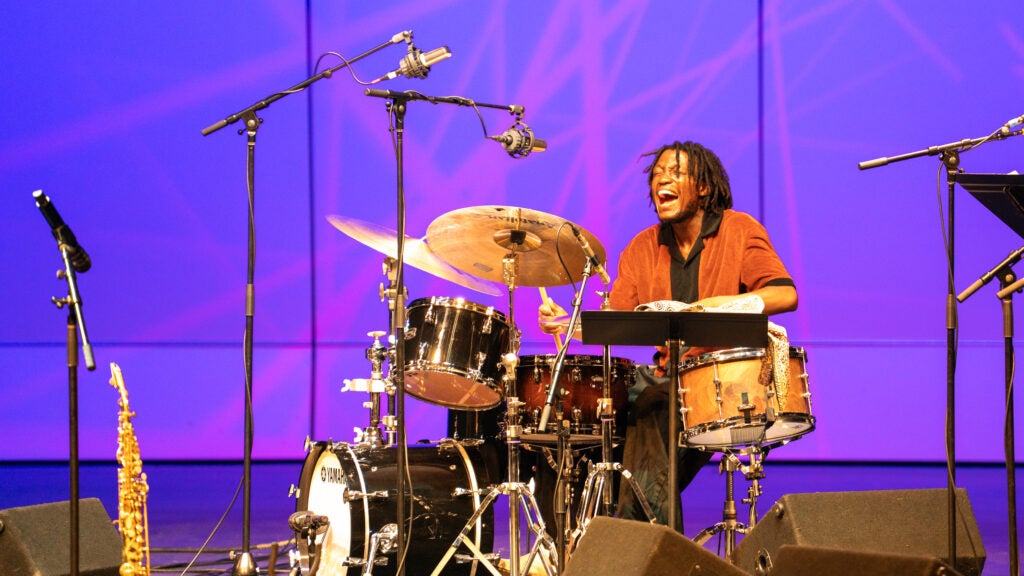
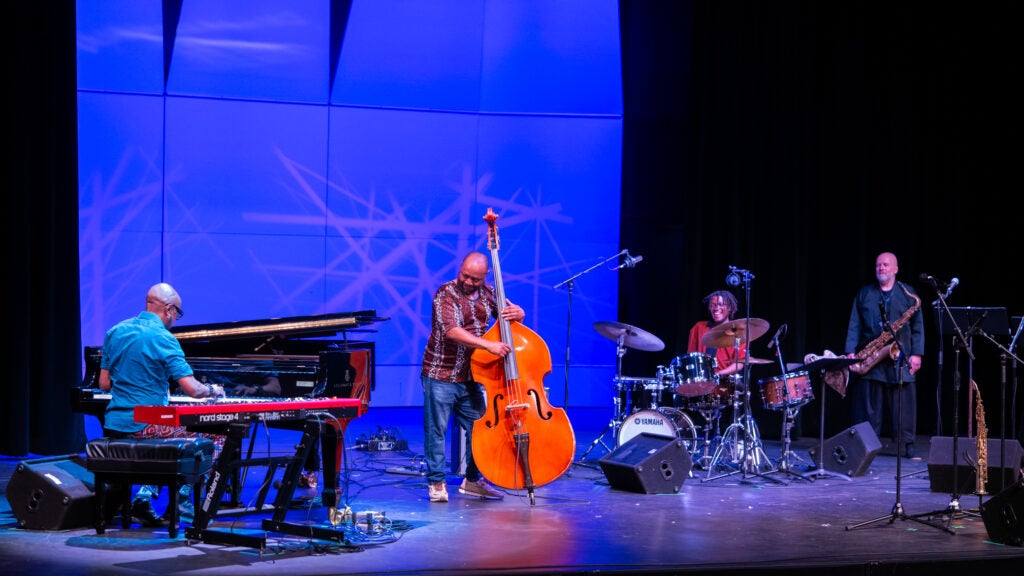
Salim Washington, professor of global jazz studies, joined the ensemble for a special performance.
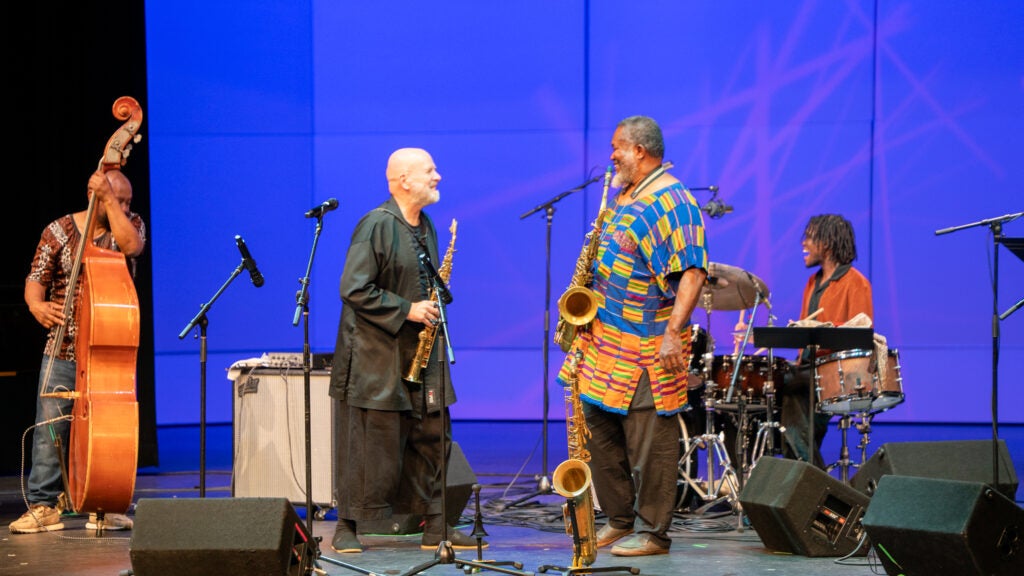
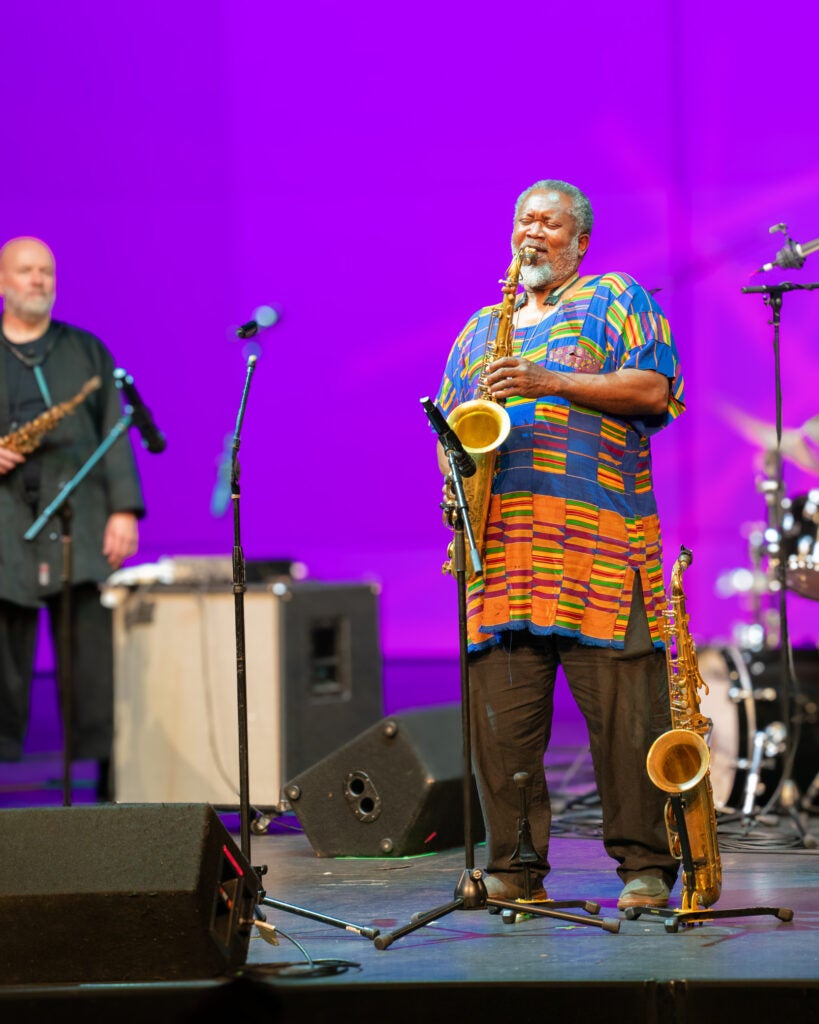
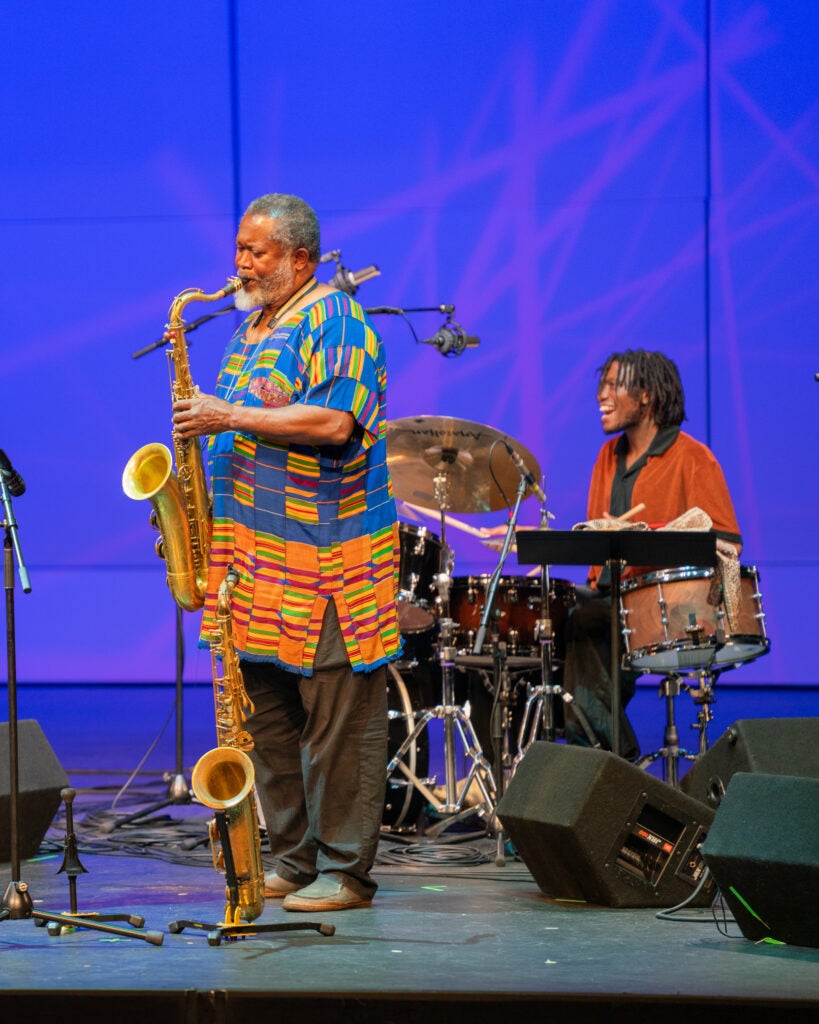
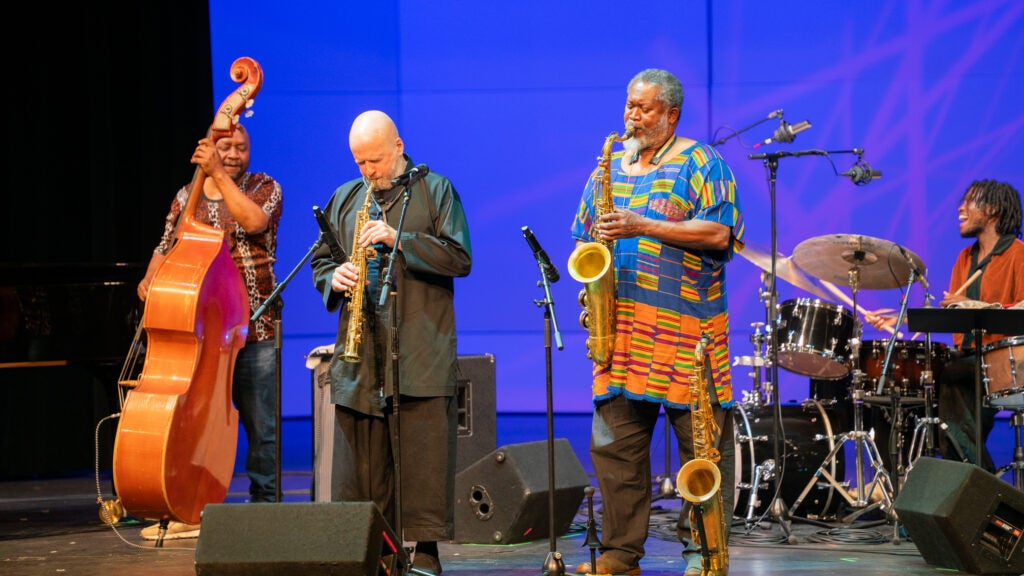
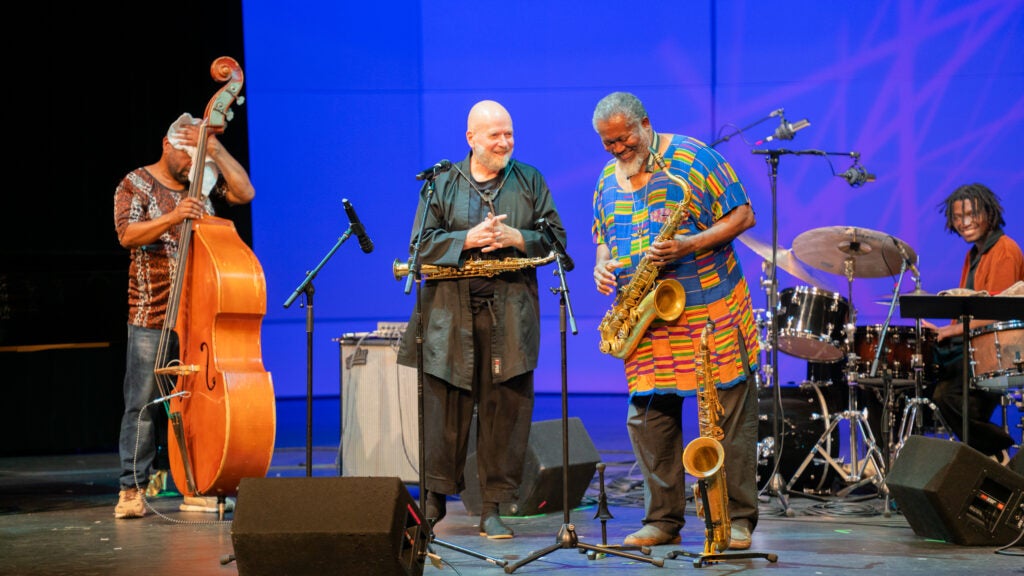
The concert remembered the hopes and dreams of those who had struggled to overthrow Apartheid. The music also assessed the unrealized dreams that still persist forty years later, not just in South Africa.
“If we look at conflict today, and all the dissension in the world,” said Dyer, as the ensemble prepared to perform the song “Enhlizweni” (Zulu for “Tears”), “how do we respond to it? This song is an artistic response to those challenges.”
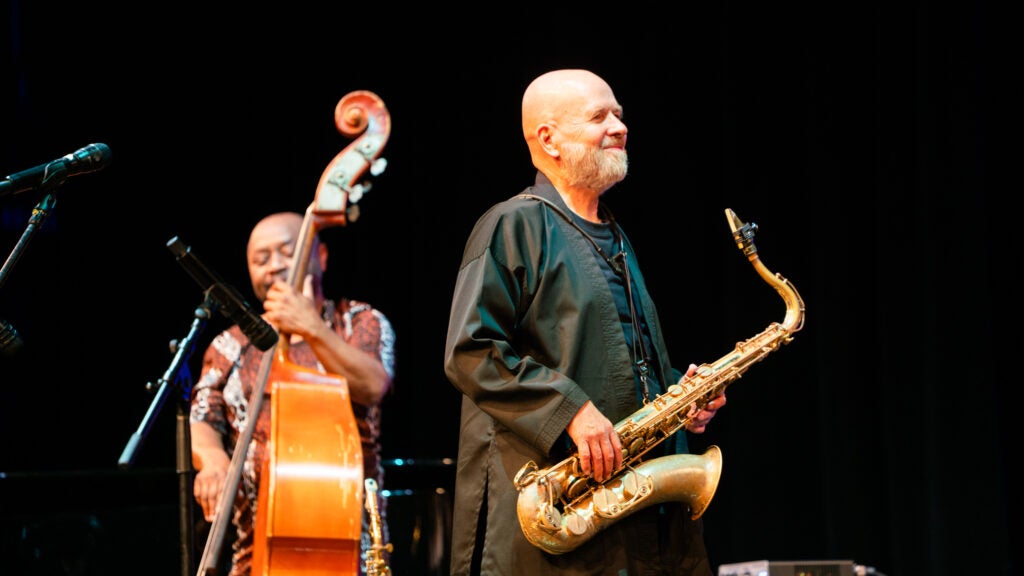
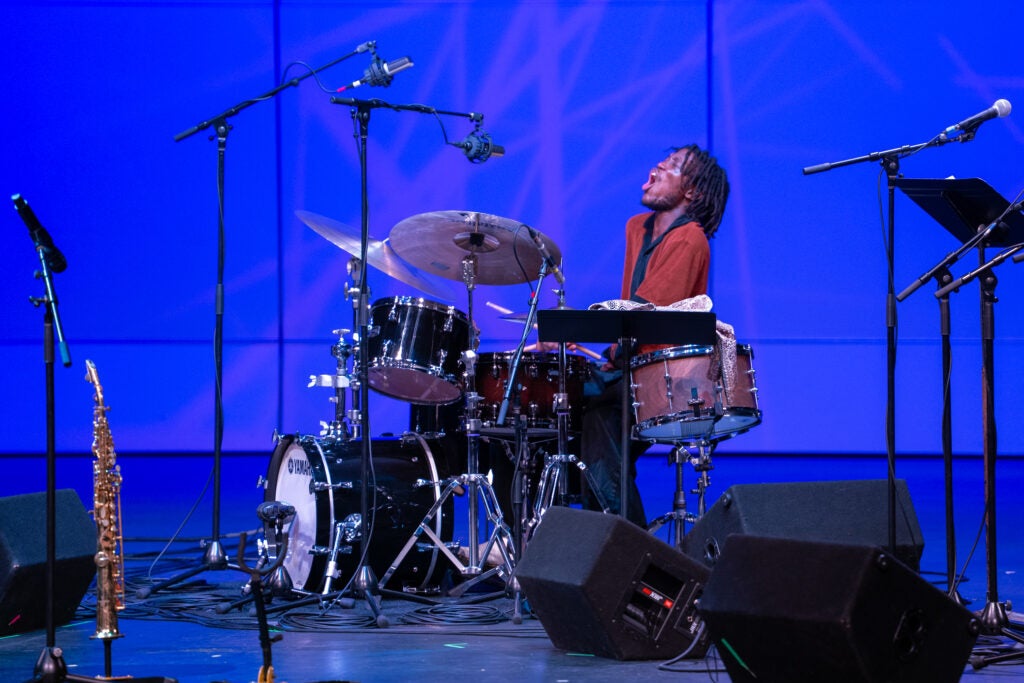
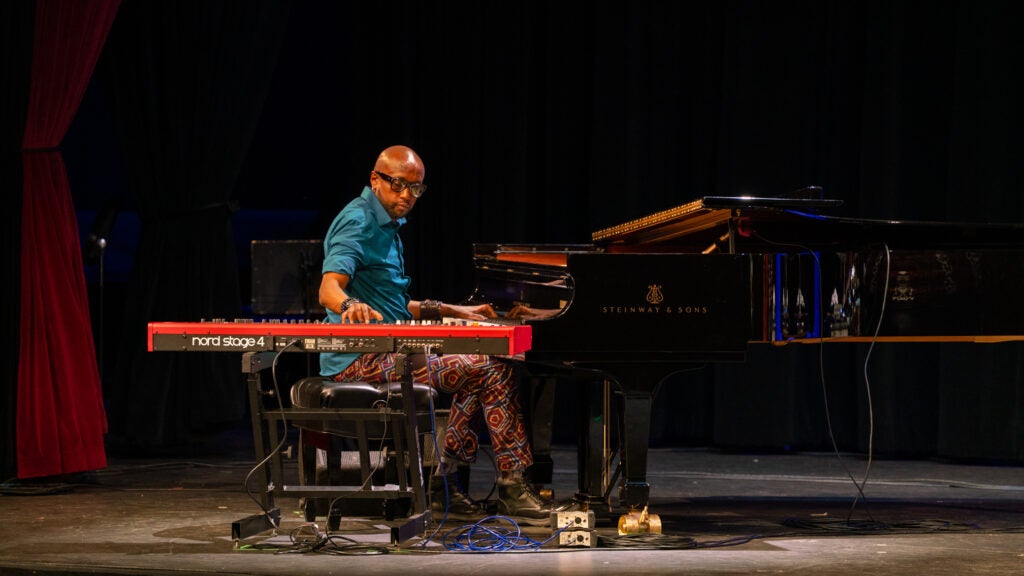
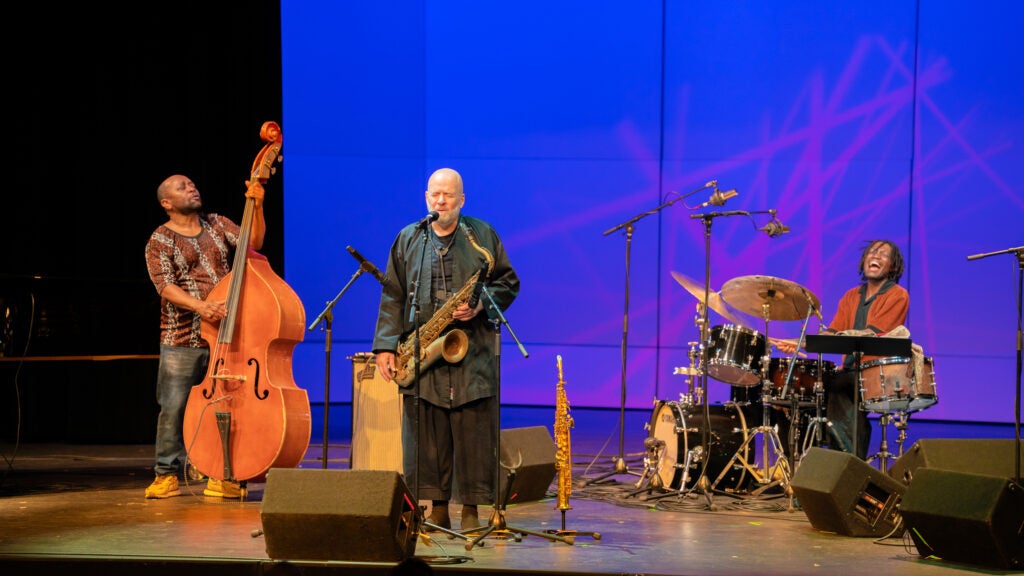
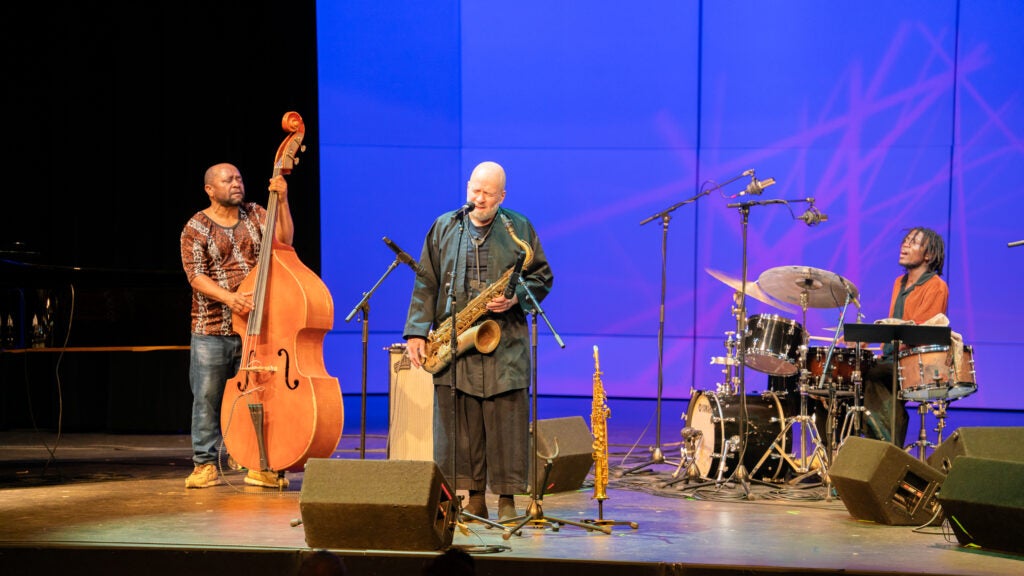
South African jazz has formidable breadth. It also possesses a distinct lyricism and poetic flow. Dyer’s quartet and guest vocalists epitomized the soaring beauty of the music in sensitive displays of breathtaking musicianship. But beneath the beauty lies something deeper. As Dyer told the audience, “there is always a cry in South African music.”