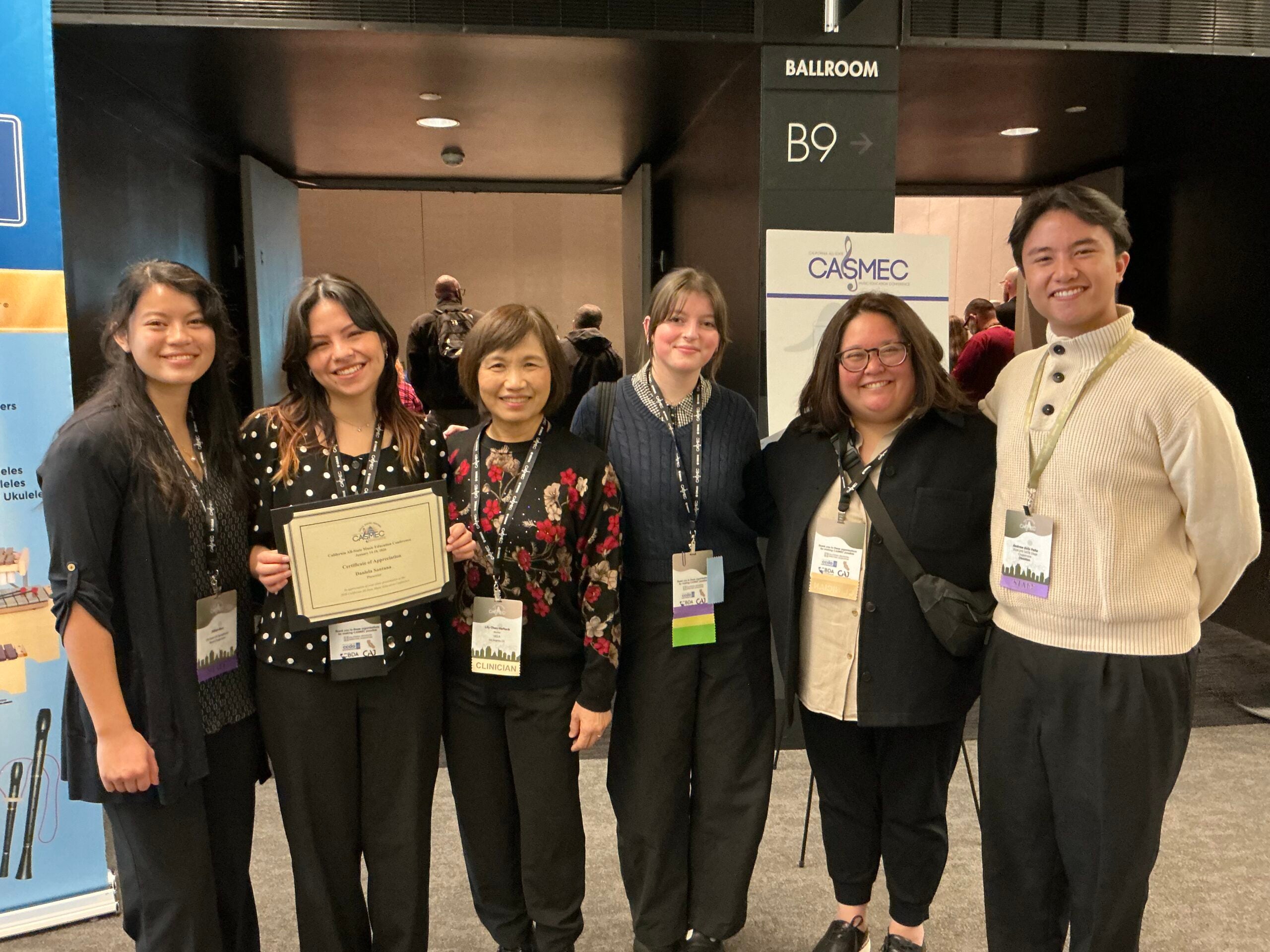
Dani Santana, fourth-year music education student at The UCLA Herb Alpert School of Music, was scheduled to run a clinic on Ecuadorian musical traditions of Pasillo and Pasacalle at the 2026 California All-State Music Education Conference (CASMEC).For an undergraduate, the opportunity to present for professional educators at a major professional conference was a notable opportunity.
“When I become a music educator, I want my students to have the opportunity to explore diverse musical styles and to understand that there’s no one right way to play music,” said Santana. “I was excited to demonstrate to educators from across the state at CASMEC this philosophy through experiencing traditional Ecuadorian music.”
The morning of her clinic, Santana arrived extra early to set up. But she ran into a problem—her scheduled room was set up for a different panel.
“They double-booked the room,” said Santana. “I couldn’t believe it.”
She snapped into action. She ran to the conference center, arranged for another room, and notified clinic participants. The clinic went forward with only a slight delay.
In all, just another day for a music educator.
“Music teachers have to do it all,” said Lily Chen-Hafteck, professor and chair of the music education program at The UCLA Herb Alpert School of Music, who ran the clinic with Santana, and has been co-presenting with a music education undergraduate at CASMEC since 2017. “Not only are they professional educators who teach music classes, but they are also logistical coordinators, administrators, life coaches and are responsible for large events and the well-being of large numbers of students.”
CASMEC’s multivalent nature reflects this reality. The conference mixes large-ensemble performances with pedagogical presentations, workshops, masterclasses and poster sessions. It gathers educators, college professors, researchers, college students and all-state secondary and middle school students. It is the single biggest annual event for music education and performance in the state of California.
UCLA faculty, students and alumni were featured at this year’s CASMEC. In addition to Santana and Chen-Hafteck’s clinic, undergraduates Julian Dohi and Emma Crawford did research poster presentations, alumnus Jack Aron (Class of 2020) presented a technology workshop, and three alumni—Erwin Merida, Brendan Lockie and Kobe Sanders—joined Johanna Gamboa-Krosesen, assistant professor of music education, for a panel.
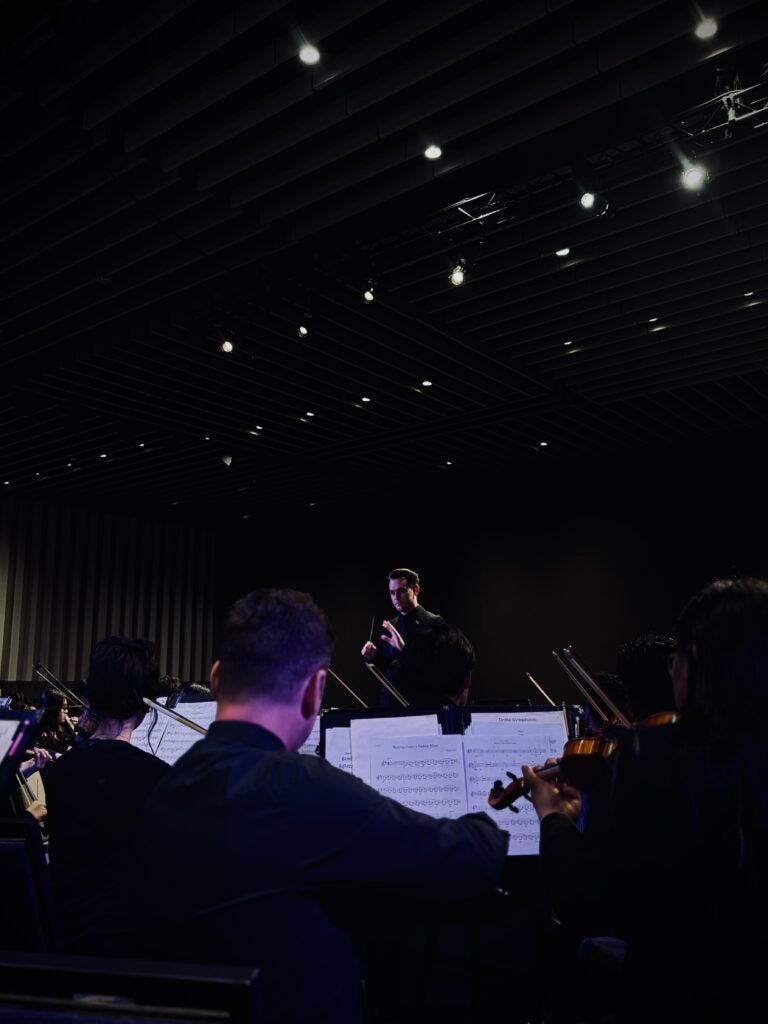
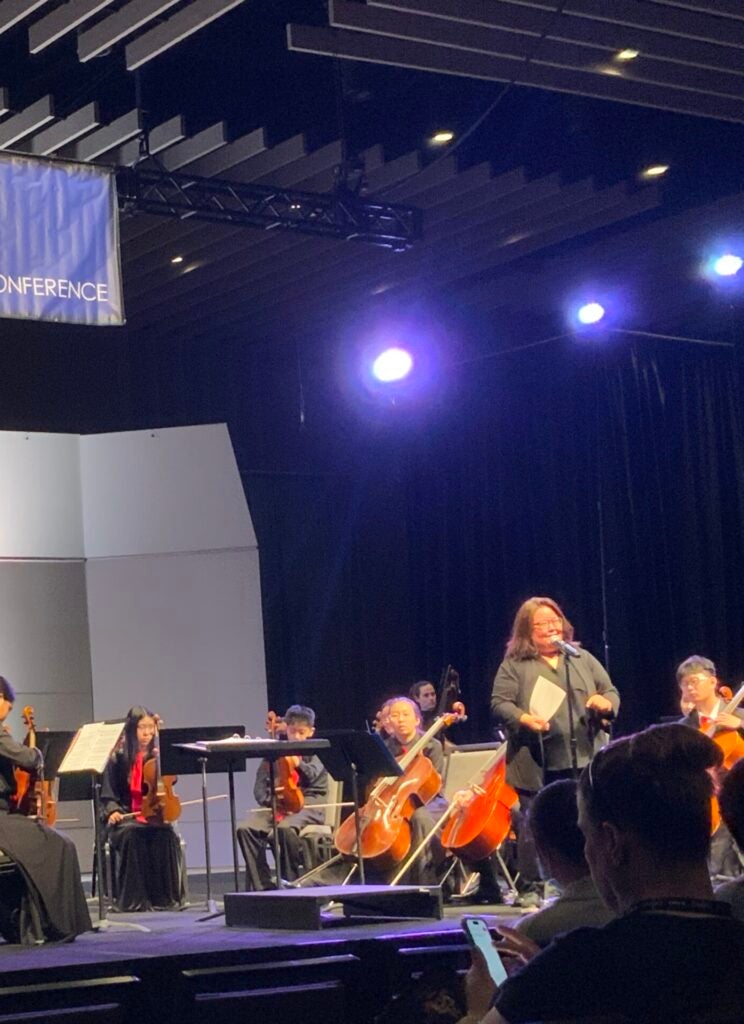
Moreover, the UCLA chapter of the Collegiate NAfME (National Association for Music Education), a student-run organization, coordinated 29 undergraduate students volunteering as chaperones and hotel coordinators for secondary students.
“As a chaperone, I was in charge of getting 120 students from rehearsals to their hotel rooms, to sound check, to their performances and to watch performances,” said Julian Dohi, a third-year music education student, who led a team of four chaperones. “It really is a glimpse into the kind of work you will do as a music educator.
Dohi also presented his original research at CASMEC. A double major in music education and sociology at UCLA, he gave a poster session on music classrooms as “third places”—that is, a place theoretically different from the two spaces of “home” and “school.” His preliminary research suggests that arts classrooms offer important opportunities for inclusive community building and leadership development, even as they struggle with socialization problems as they experience superiority or inferiority complex in terms of their musical abilities, brought on by hierarchical ordering typical in music ensemble classes where certain students are selected as leaders or chairs of various sections of the ensemble.
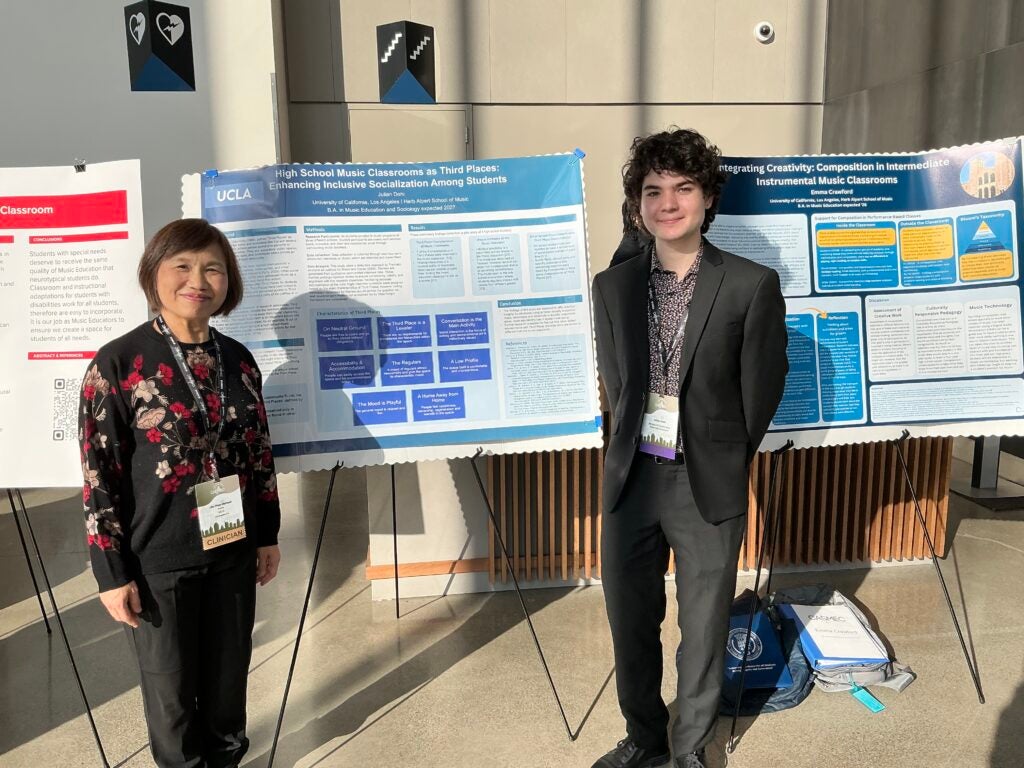
Among Students”
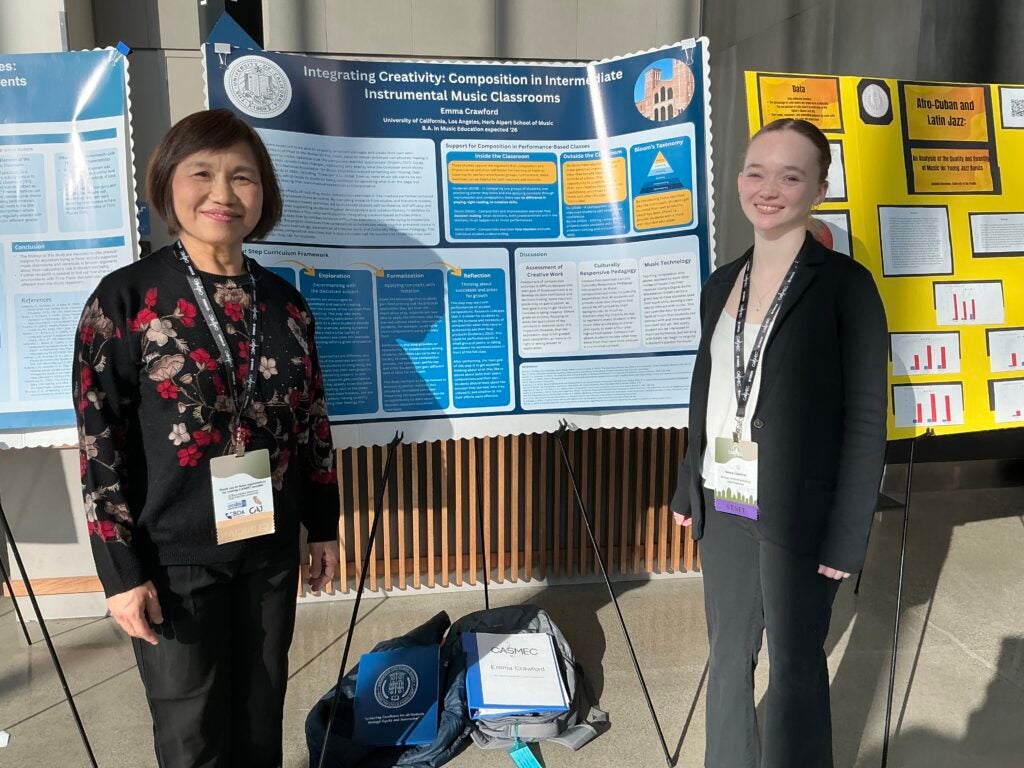
Music Classrooms”
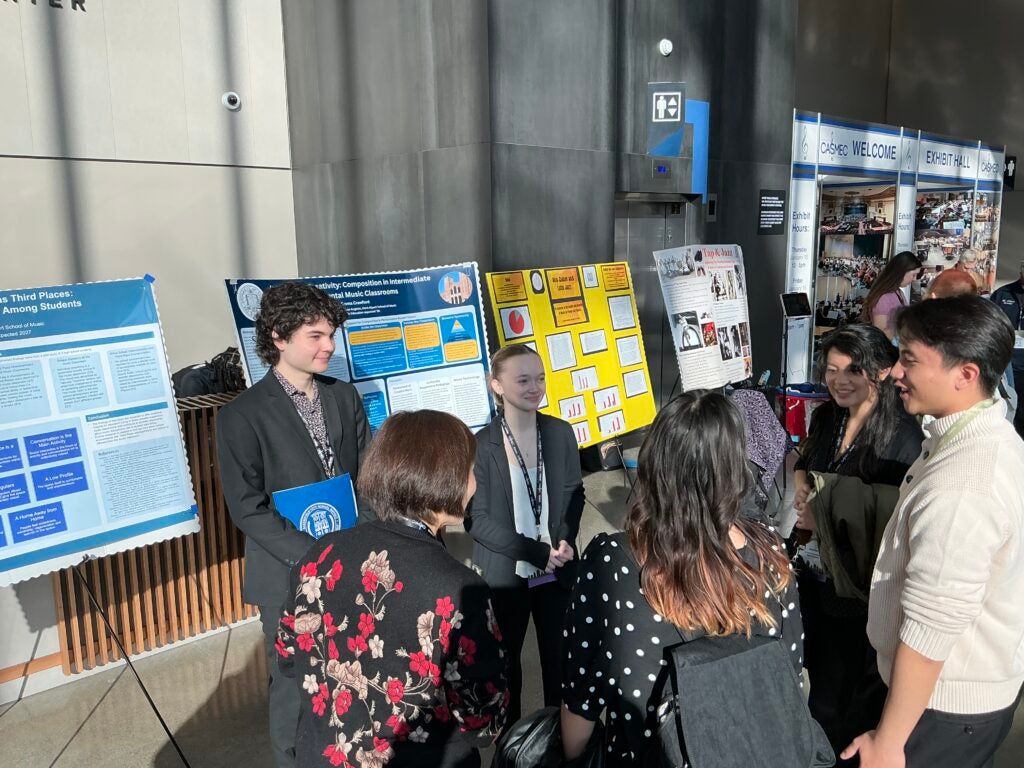
Dohi’s poster session at the conference proved a good opportunity to discuss the project with educational professionals. He has begun the process of creating a formal study, identifying research methodology and a dataset. With the support of Chen-Hafteck, he has already received the ethics approval by Institutional Research Board (IRB).
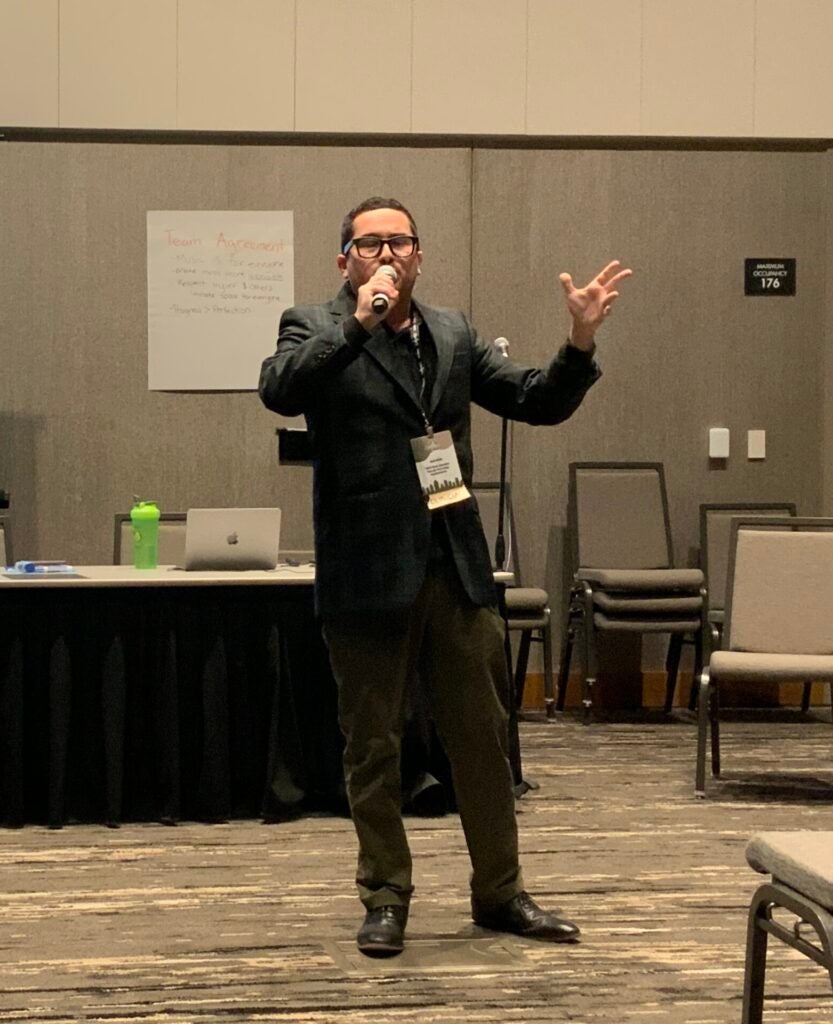
The alumni panel also provided an opportunity to share pedagogical experiences that these young teachers have gained from their first three years of teaching. Johanna Gamboa-Kroesen, assistant professor of music education, organized a panel with three alumni—Erwin Merida, Brendan Lockie, and Kobe Sanders—to talk about navigating the transition from music education student to teacher. The panel sprung from a series of conversations that she and music education alumni had been holding for the past six months.
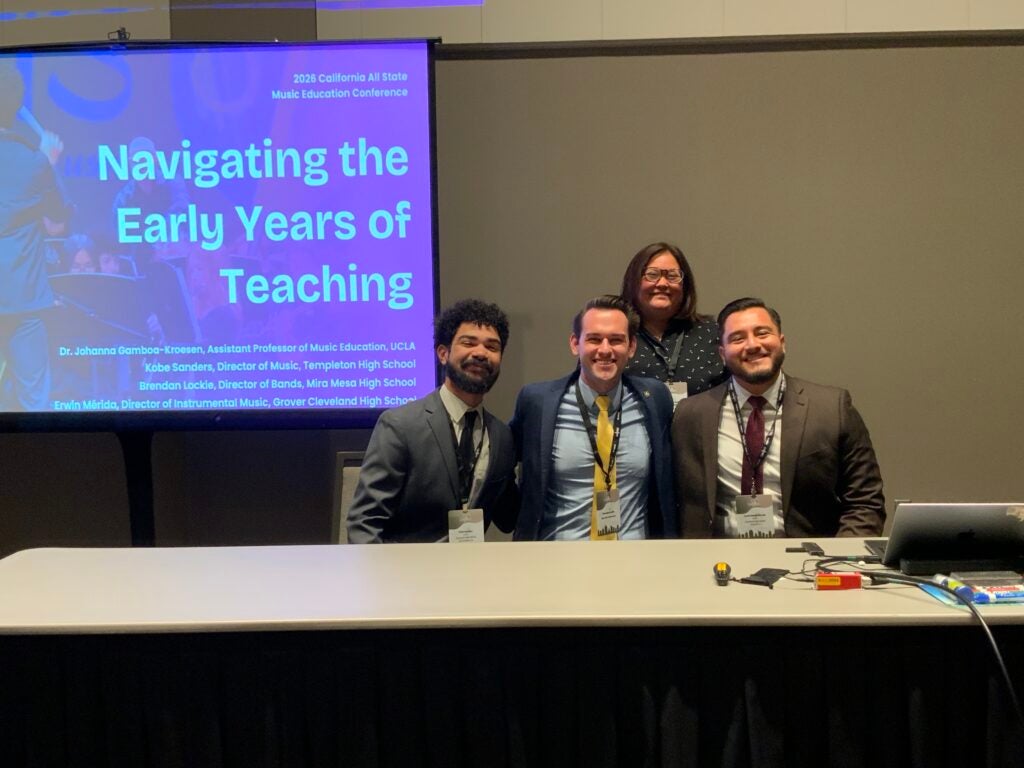
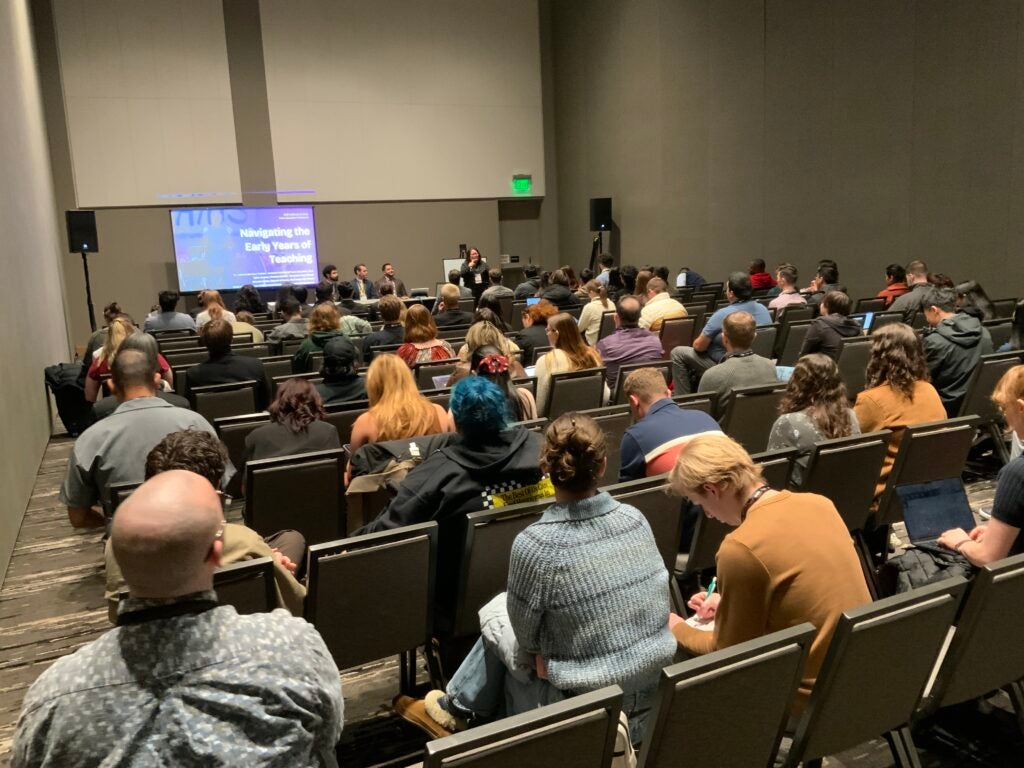
“It is really amazing to see our former students, this time as colleagues,” said Gamboa-Kroesen, assistant professor of music education. “And our panel drew a very young audience, in the sense that it was new teachers looking for guidance and eager to share experiences. We’re looking forward to developing the ideas generated from this presentation to future research.”
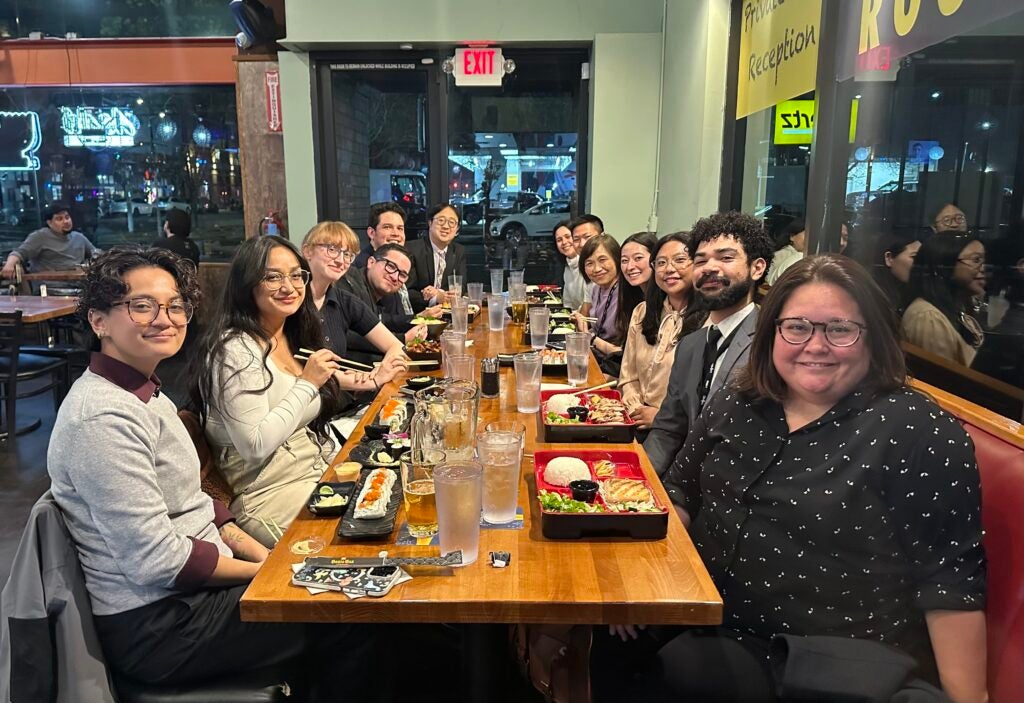
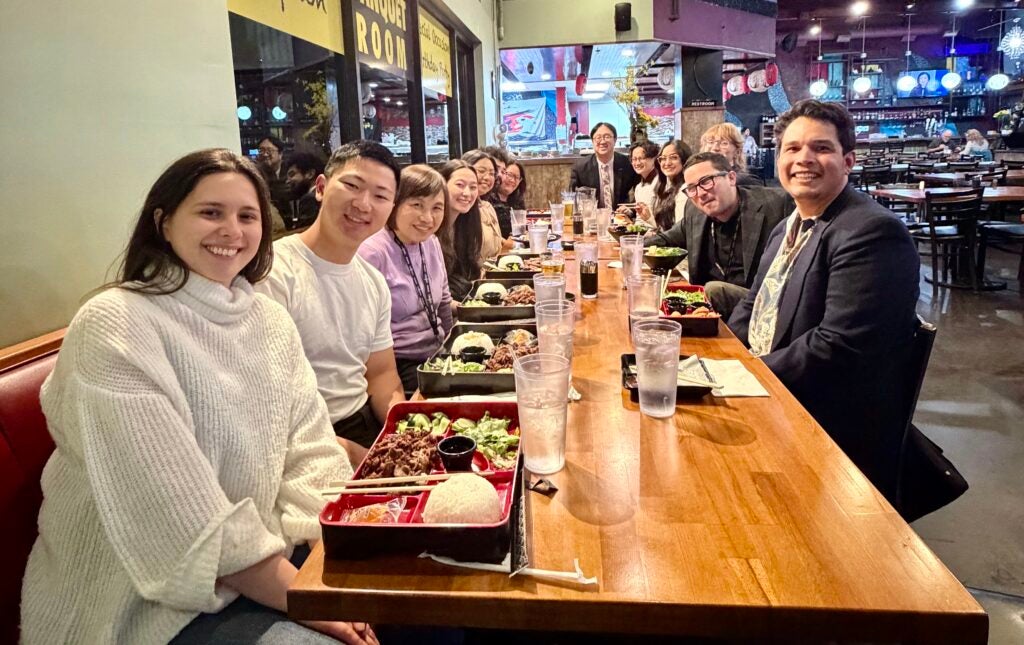
Keeping alumni connected to undergraduates and faculty is an important part of the music education program at The UCLA Herb Alpert School of Music. This extends beyond the tangible benefits of connecting academic and field research. Faculty encourage networking at an alumni dinner at CASMEC, so that alumni can share their experiences with each other and build a support system among faculty and alumni, exchanging ideas on teaching and graduate school opportunities.
For undergraduates, the opportunity to meet both younger students and alumni offers intangible benefits. Dani Santana—whose clinic on Ecuadorian music went splendidly, despite the scheduling mishap—remarked on how amazing it was seeing high school musicians progress from year-to-year. Santana has attended CASMEC all four years as an undergraduate, and has made a lasting impression on high school students.
“I was packing up the contrabassoon after the last UCLA Wind Ensemble concert,” said Santana. “Several high school students came backstage to tell me I was their chaperone at CASMEC. These connections really last.”