
ISRAELI ART SONG: BETWEEN FANTASIES AND REALITIES
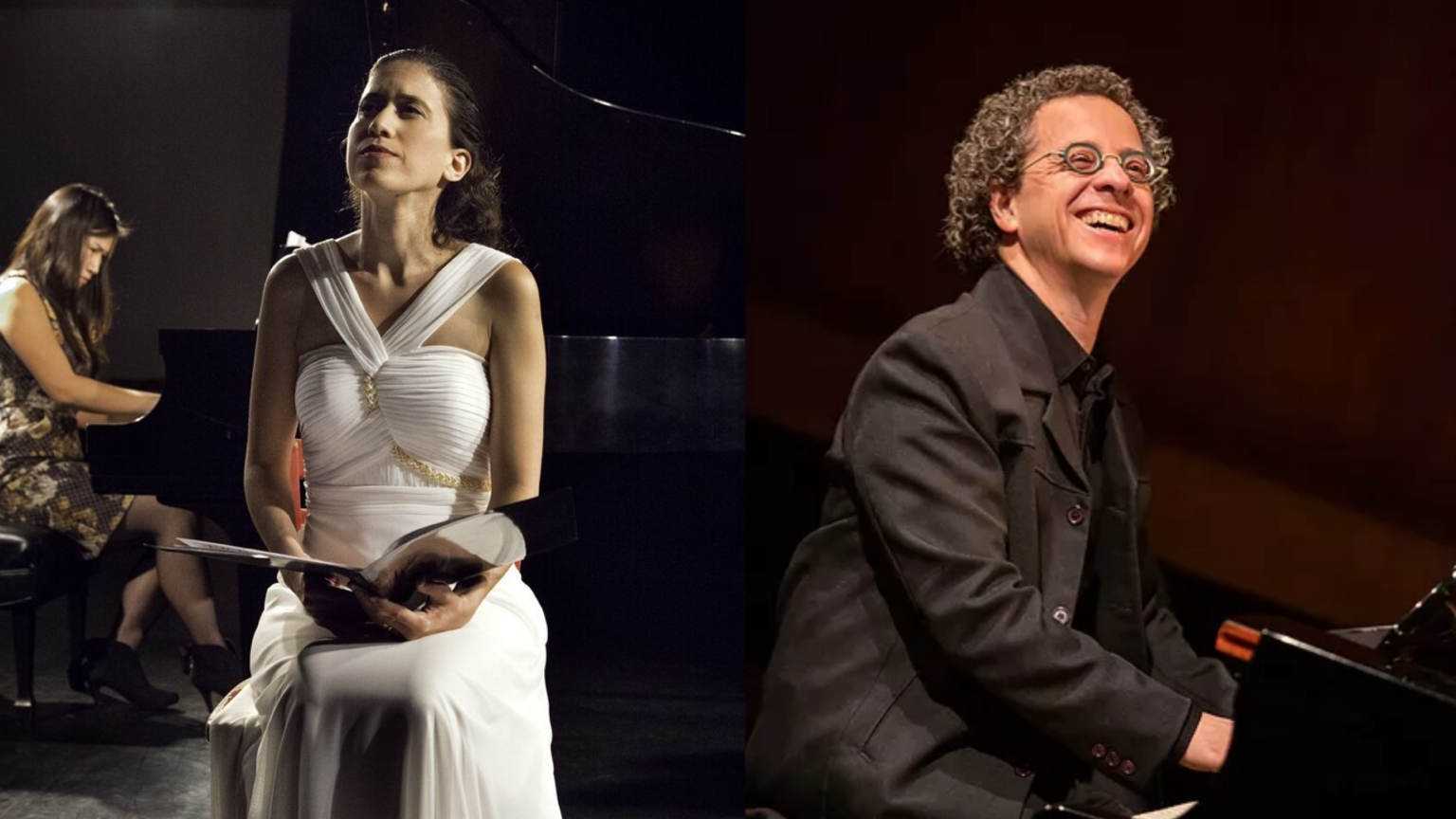
Songs for voice and piano setting Hebrew poems have been composed since the early 20th century, reflecting Israel’s rich and complicated culture. Iris Malkin and Ido Ariel present this fascinating genre’s contrasting trends over 100 years of tensions between West and East, Zionism and Post-Zionism, Classical, and Popular music. The program will include songs in Hebrew, Yiddish and Ladino and a discussion moderated by Ariel. This concert is one of four events in the 2024-2025 Milken Center Chamber Music Series.
Join us and after the concert for complimentary bagels, sweets and coffee.
Performers
Iris Malkin
See Bio
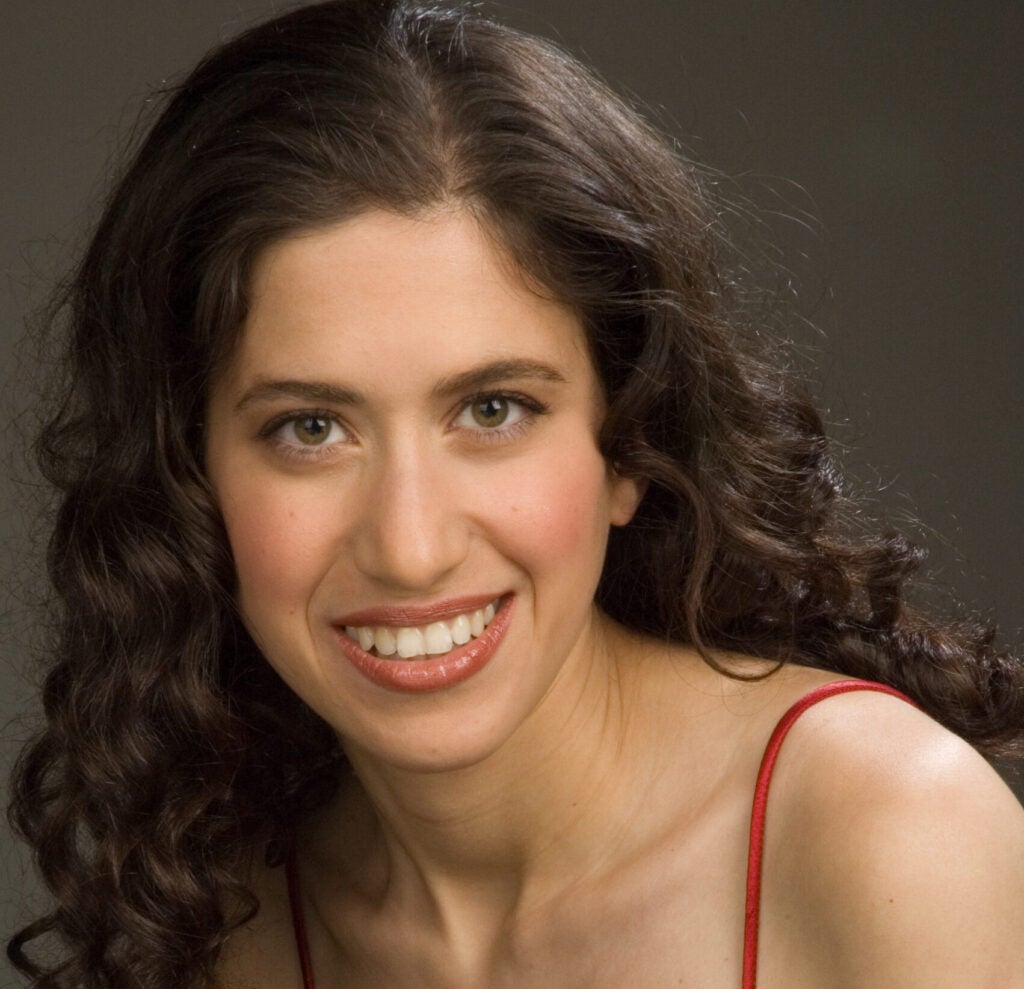
Israeli born, Mezzo-soprano, pianist and vocal coach Iris Malkin graduated from the Jerusalem Academy of Music with a master’s in vocal performance and an artist diploma in piano – with a vocal coaching emphasis. Iris has performed widely both as a singer and as a pianist in concerts and festivals in Israel, Europe, and the United States, and her performances have been broadcast worldwide.
In addition to the mainstream operatic repertoire, Iris has distinguished herself in the world of Hebrew and Jewish works as well as the highly nuanced Spanish song repertoire. She is dedicated to sharing her passion for art song performance with audiences around the world. Iris has performed under the baton of Pierre Boulez during the 2006 Lucerne Festival, including collaboration with Boulez’ celebrated Ensemble Intercontemporain, and in 2011 was a guest soloist with the Chamber Orchestra of the South Bay performing songs from Mahler’s Des Knaben Wunderhorn and De Falla’s El Amor Brujo. In January 2012 she released her CD Cadencia, with songs from England, Spain, and Puerto Rico with award winning guitarist Edward Trybek, and she is the featured soloist on Stig Jonas Pettersson’s Album The Dracula Letters that was released in 2015.
Iris is in demand vocalist in recordings for films, video games and movie trailers. She is a featured soloist on the soundtrack of the film Kill Zone, which was nominated for Best Original Score at the Hollywood Music in Media Awards in 2009. Iris performed as a soloist with the Los Angeles Jewish Symphony in a concert dedicated to works by Jewish women composers conducted by Dr. Noreen Green, and was on a tour in 2023 presenting the Israeli Art Song in St. Louis and Denver with pianist and moderator Ido Ariel. Last year, Iris performed Yiddish songs by Lazar Weiner with pianist Neal Stulberg at an event recorded for a documentary of the Lowell Milken Center, and most recently performed a recital at UCLA presenting the Israeli art song as part of the Milken Center concert series. Iris is on the faculty of The UCLA Herb Alpert School of Music as a vocal coach – continuing lecturer in the voice department.
Repertoire
M. Milner (1886-1953):
To the bird (El Hazipor), 1923 (H. N. Bialik)
F. Mendelssohn (1809-1847):
Greeting (Gruss), 1830 (H. Heine; translated to Hebrew by L. Goldberg, 1936)
P. Ben-Haim (1897-1984):
Barren (Akara), 1938-9 (Rachel)
Z. Avni (1927-):
You are beautiful (Hinach yafa), 1957 (The Song of Songs)
A star has fallen (Kochav nafal, from: Beside the depths of a river), 1969 (M. Katz)
A. Harlap (1941-) from Letters Weeping in Fire, 2013 (Y. Barzilai):
Fire in the town square
Forbidden games
I shall never write poems
O. Ben-Amots (1955-):
Are you angry with me? (Bistu mit mir broygez?), 1986 (Anonymous) from: Shtetl Songs
Tap, tap (Klip klap), 1986 (Anonymous) from: Shtetl Songs
City of my childhood (Sivda de mi chikes), 2010 (M. Raymond) from: Kantigas Ulvidadas (Forgotten Songs)
